14 lesser-known facts about Florence Cathedral

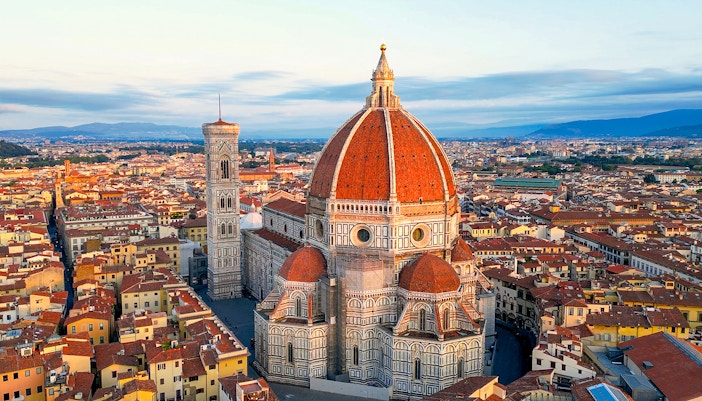
Discover the iconic Duomo, Santa Maria del Fiore, a prominent landmark that graces the Florentine skyline. Renowned not only for its sheer size and beauty but also for its rich history and the groundbreaking dome designed by Brunelleschi. Read more intriguing facts about Florence's celebrated cathedral.

Facts about Florence Cathedral

1. Over 140 years of construction

Conceived in 1293, the Duomo's grand plan, including the dome, took over 140 years to complete. Initially lacking technology for the dome, its construction started in 1420, leaving the dome's roof exposed for years before its remarkable finalization in 1436.

2. World's largest masonry Dome

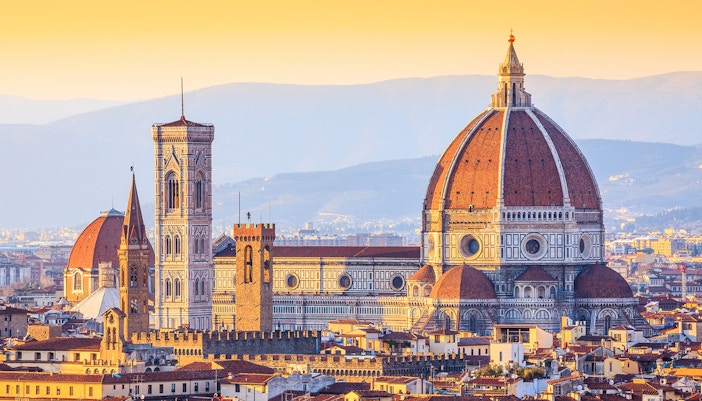
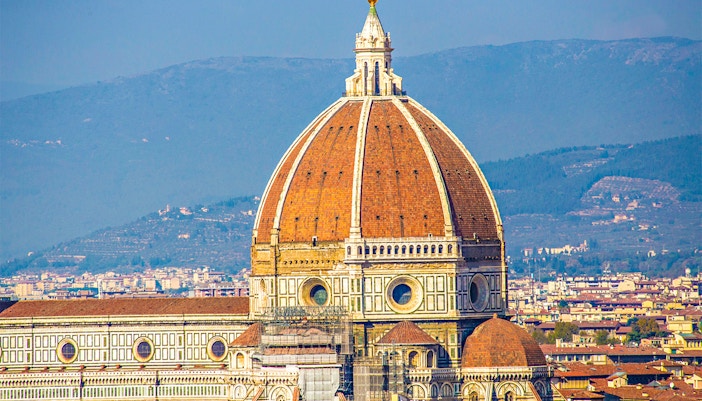
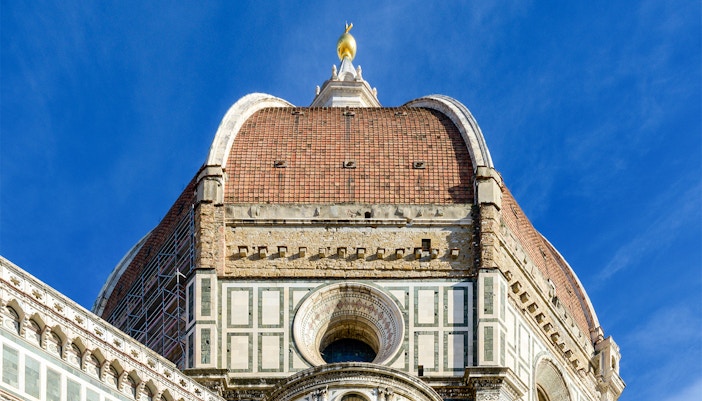
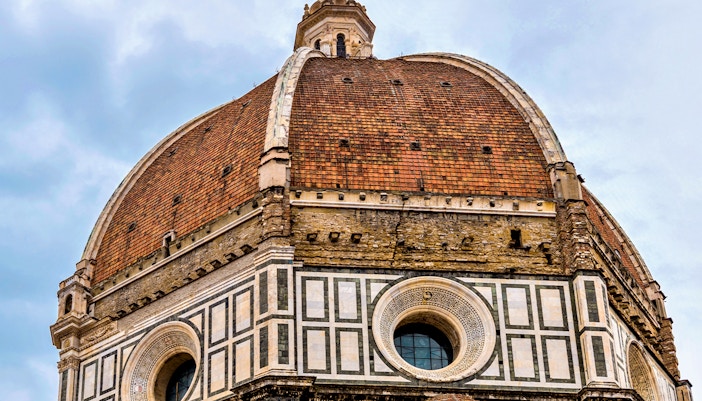
Filippo Brunelleschi's dome of Santa Maria del Fiore in Florence, Italy, reigns as the largest masonry dome, even 500 years later. Its secrets, devised without any plans or sketches, continue to mystify, boasting Brunelleschi's unparalleled architectural genius.

More on Brunelleschi's Dome

3. Built on top of Santa Reparata

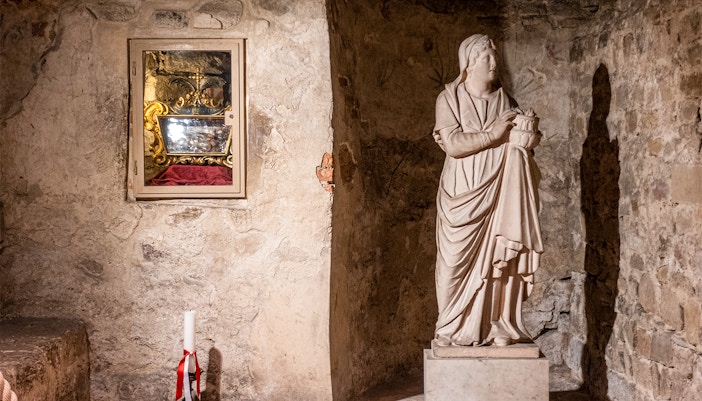
The grandeur of Santa Maria del Fiore conceals a hidden treasure. Erected atop the remnants of Santa Reparata, a modest 4th-6th-century church, the original structure lies beneath. Explore an underground museum to witness artifacts, unraveling a rich tapestry of cultural and religious history.

About Crypt of Santa Reparata

4. The Gates of Paradise

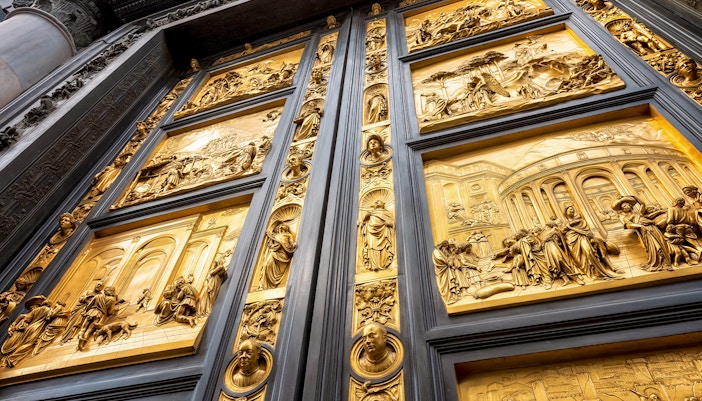
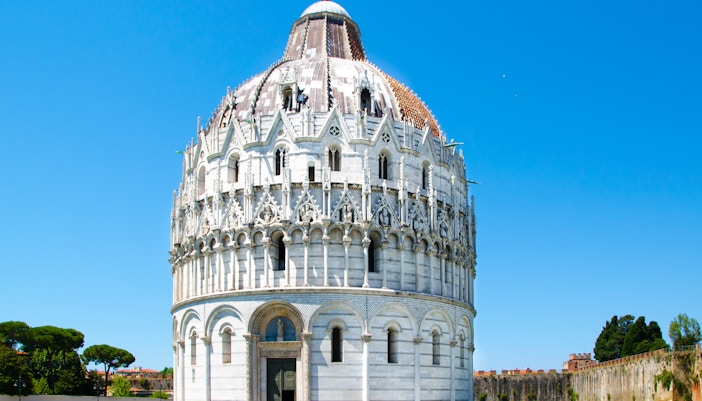
Crafted after a citywide 1401 competition, The Gates of Paradise on the Baptistery were triumphantly designed by Lorenzo Ghiberti. Judges favored Ghiberti's classical style over Fillippo Brunelleschi's humanist depiction, sparking Michelangelo's later remark that they seemed like the "gates of paradise."

5. Brunelleschi's unconventional path

Despite lacking architectural training, Fillipo Brunelleschi, a skilled goldsmith, harnessed the artistry of aesthetics and practicality intrinsic to goldsmithery. This unique perspective empowered him to revolutionize construction, defying expectations and crafting the timeless masterpiece that is the Duomo's dome.

6. Pantheon's influence

Dissatisfied with Gothic styles and lacking Pantheon's plans, Florentines admired ancient Roman innovation. Disliking prevalent flying buttresses, they sought Roman building techniques. After losing the baptistery door competition, Brunelleschi studied Roman structures, ultimately reshaping Florence's skyline upon his return.

7. Public competition: A clever egg and ingenious wit

In Florence's dire need for a dome solution, Brunelleschi, without revealing plans, won a public competition. To convince judges, he cleverly challenged them to make an egg stand upright. After they failed, he cracked the egg's bottom, making it stand, asserting that shared knowledge could build the dome. This witty move secured his victory, and in April 1420, he began the project with two appointed designers.

8. Third Largest Cathedral

Santa Maria del Fiore, the Duomo, ranks as the world's third-largest cathedral, surpassed only by St. Peter’s in Rome and St. Paul’s in London. In the 15th century, upon completion, it claimed the title of Europe's largest cathedral, stretching 153 meters long, 90 meters wide at the crossing, and reaching a height of 90 meters from floor to dome base.

9. Brunelleschi's innovations

Brunelleschi revolutionized construction with ingenious masonry techniques, enabling the creation of a freestanding curved brick structure—eliminating the need for a wooden frame. His inventive tools included a groundbreaking three-cogged wheel system, known as the Reverse Gear, using oxen in a circle to lift heavy objects, surpassing the limitations of human-powered systems.

10. The secret of the Dome

Despite skepticism, Brunelleschi astounded with a groundbreaking method for the Duomo's dome. Using ropes to guide brick placement, he crafted inverted arches, defying gravity. Discovered in a critic's drawing, this ingenious design, featuring a flower-shaped base, has stood the test of time. Poetically, the cathedral's name, "Saint Mary of the Flower," though coincidental, adds to the legacy of Brunelleschi's architectural brilliance.

11. Completed in sixteen years

Brunelleschi defied norms, completing the dome in just sixteen years (1420-1436). In an era where architects seldom witnessed their work's completion, this feat astonished contemporaries. Brunelleschi's swift success marked a groundbreaking achievement, showcasing his visionary brilliance and leaving an indelible mark on architectural history.

12. Duomo's facade's evolution

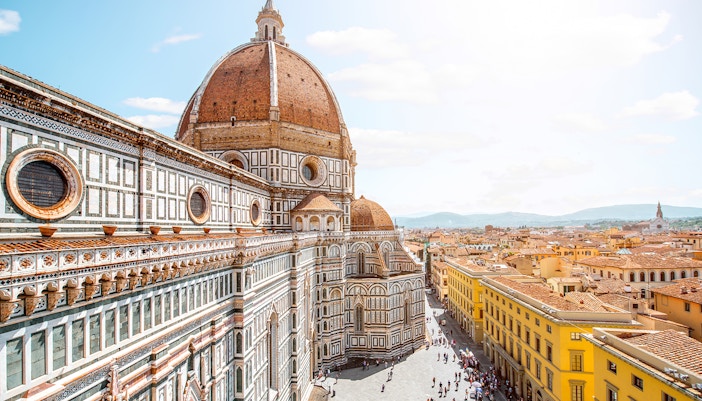
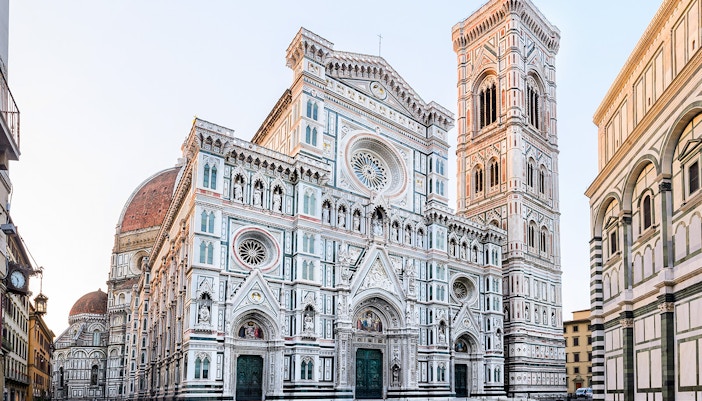
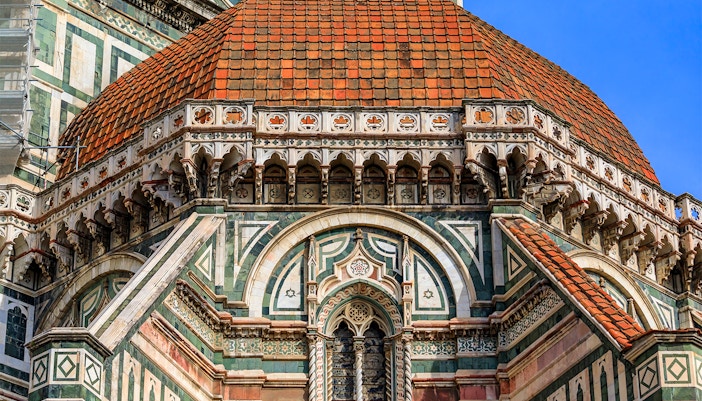
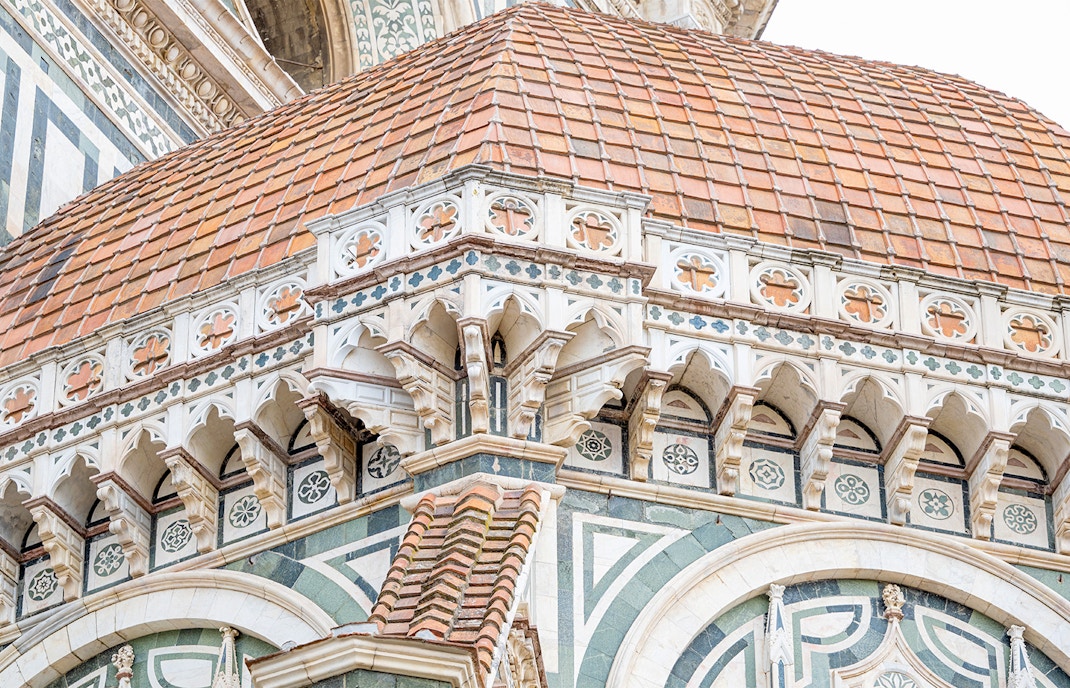
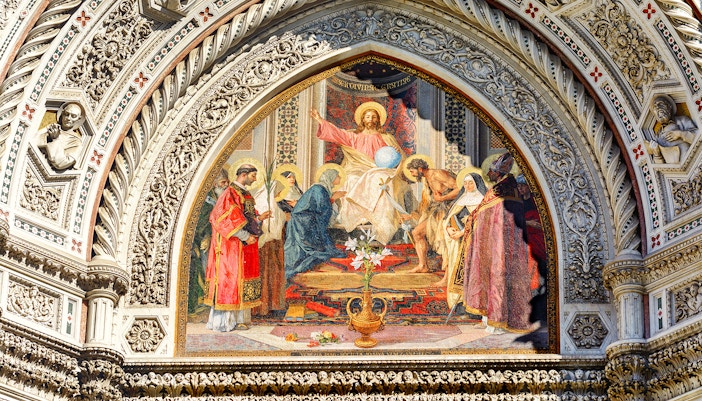
Originally designed by Arnolfo di Cambio in 1294, the Duomo's facade underwent a tumultuous evolution. From drafts to corruption scandals, the facade remained incomplete until 1887. Emilio de Fabris finalized the neo-Gothic design, using diverse marbles from Tuscany and Italy, crafting the mesmerizing exterior seen today.

13. Dual Domes

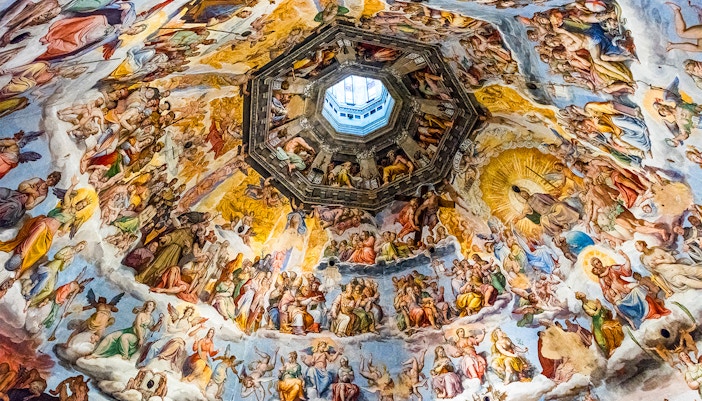
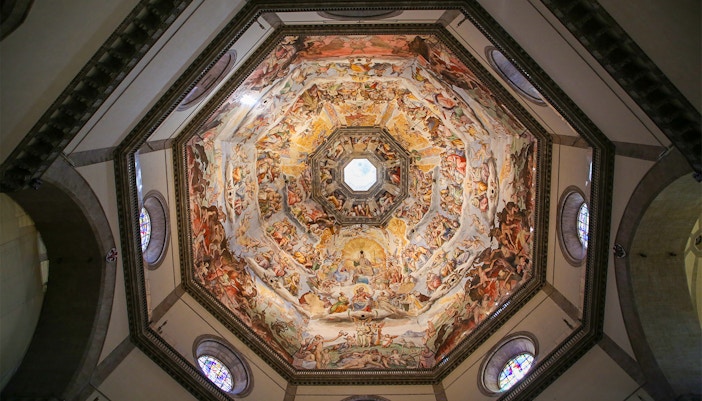
External tiles mask the inner structure. Climb 436 stairs through the shell and marvel at Brunelleschi's ingenious brickwork. Witness the original herringbone pattern, retracing history step by step.

14. From the Dome to a culinary delight

To sustain uninterrupted work on the Duomo's dome, Brunelleschi imported peposo beef stew from Impruneta. This hearty dish, featuring wine, pepper, and garlic, was served atop the dome. Still enjoyed today in local restaurants, it served as a flavorful fuel for the builders.

Frequently asked questions about Duomo Florence facts

One of the most intriguing facts about the Duomo Florence is the unprecedented construction of its dome by Filippo Brunelleschi. With no prior architectural training, Brunelleschi used a clever rope-guided brick pattern, a mysterious egg competition, and a daring approach to secure the dome's completion in just sixteen years. This architectural marvel remains the largest brick dome ever constructed, standing as a testament to Brunelleschi's ingenuity.

More reads

Skip-the-line tickets

Baptistery of St. John

Architecture