Tickets Florence

Quick Information

RECOMMENDED DURATION

3 hours

EXPECTED WAIT TIME - STANDARD

1-2 hours (Peak), 0-30 mins (Off Peak)

EXPECTED WAIT TIME - SKIP THE LINE

0-30 mins (Peak), 0-30 mins (Off Peak)

Plan your visit

Did you know?

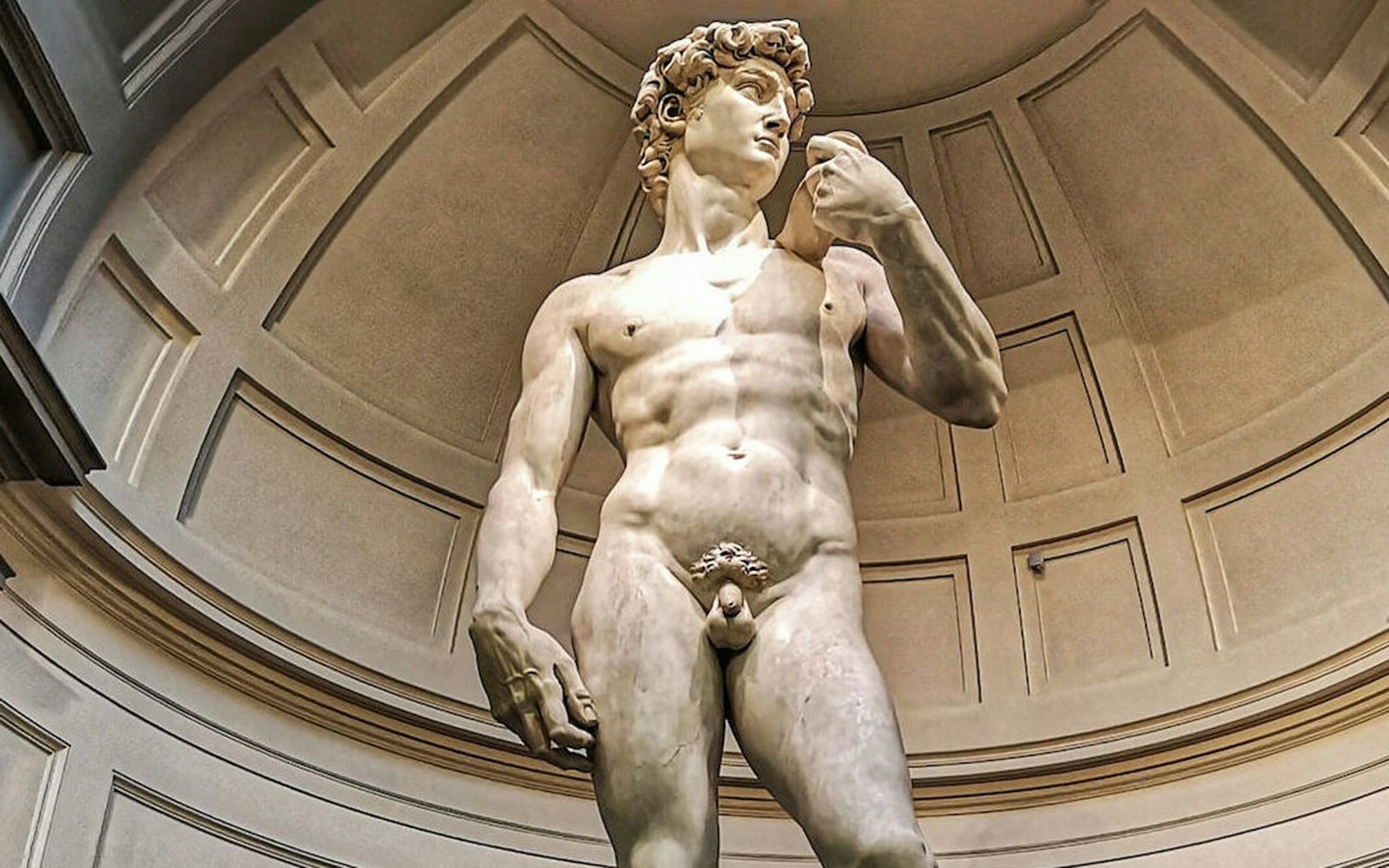
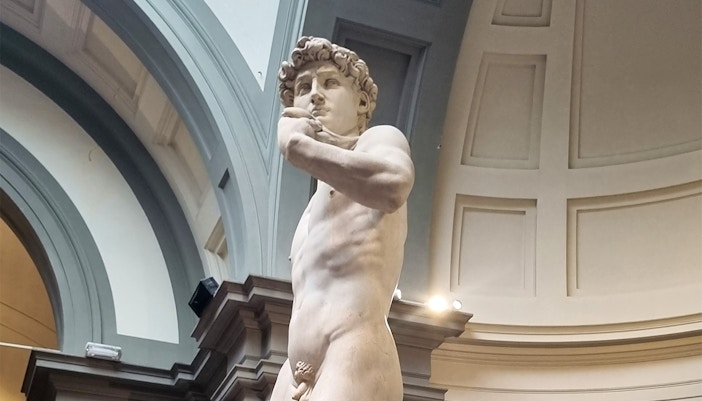
Michelangelo's David was sculpted from a single block of marble and was originally placed in the square outside the parliament building.

The gallery derives its name from the collections that were housed for the students of the adjacent Fine Arts Academy.

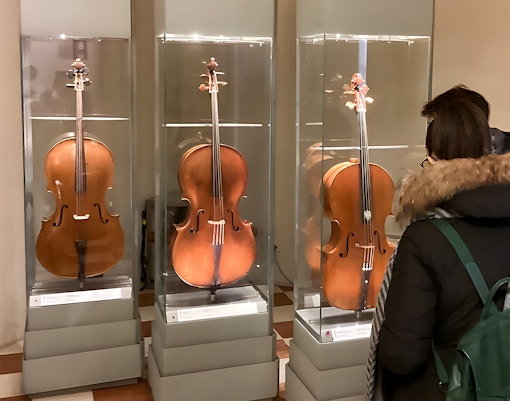
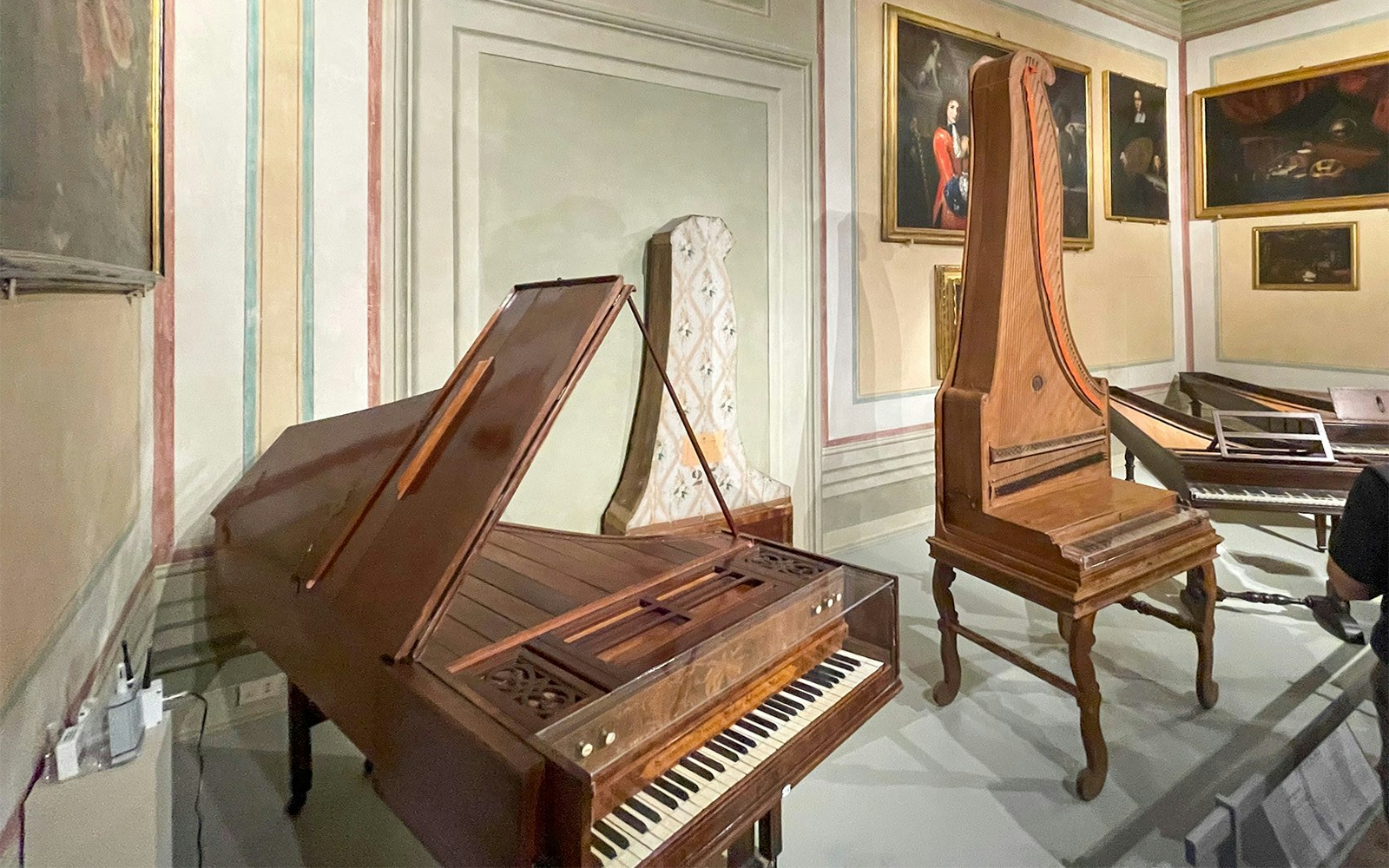
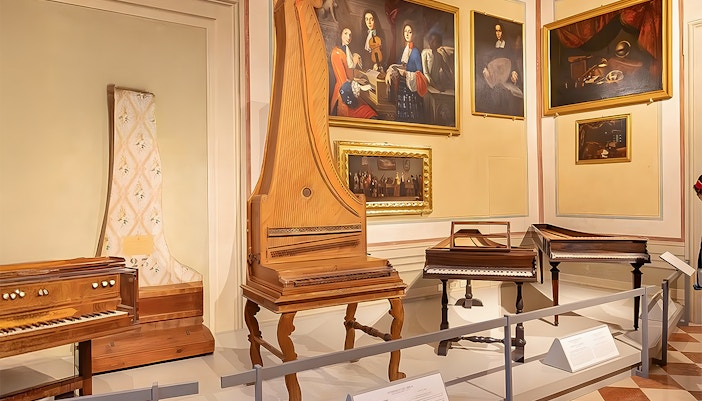
A hidden delight resides within the Accademia: the Museum of Musical Instruments. It boasts an impressive collection of instruments, including Stradivari violins.

Book Accademia Gallery Tickets and Tours

Accademia Gallery Priority Entry Tickets

Book now, pay later
Flexible duration
Audio guide
Guided tour

Accademia Gallery Skip-the-Line Guided Tour

Free cancellation
Book now, pay later
1 hr.

Combo (Save 30%): Uffizi Gallery + Accademia Gallery Priority Entry Tickets with Audio Guide

Audio guide

Combo (Save 14%): Uffizi and Accademia Gallery Hosted Entry Tickets

If there’s one place in Florence where art history doesn’t just hang on the walls—but towers above you in marble—it’s the Accademia Gallery.

Stand before Michelangelo’s David

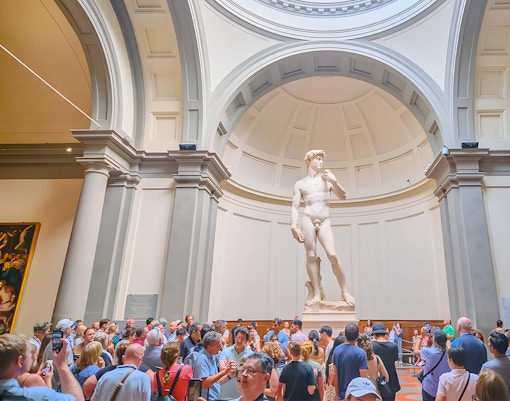
Nothing prepares you for the moment you turn the corner and see David under the skylight. At over 17 feet tall, this marble giant isn’t just a sculpture—it’s a revelation. You’ll notice the tense muscles, the defiant gaze, and the silence of everyone around you.

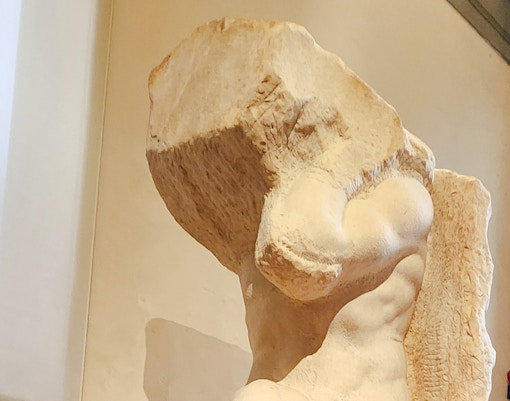
See a masterpiece in the making

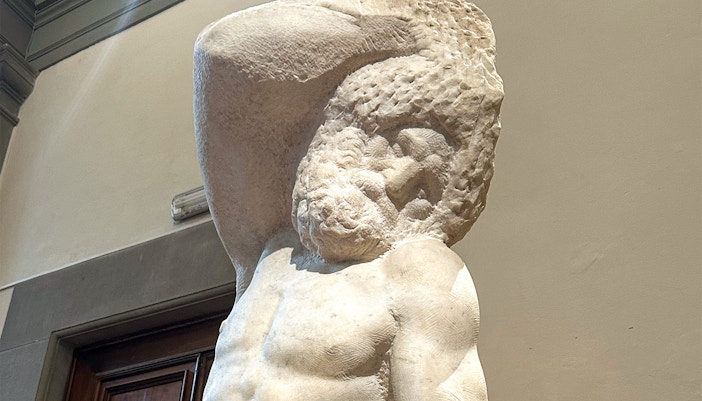
In the Hall of the Prisoners, unfinished Slaves struggle to break free from stone. You can see the chisel marks, the raw marble, and Michelangelo’s hand at work. It feels like stepping into the artist’s mind mid-creation.

Discover Florence’s artistic heartbeat

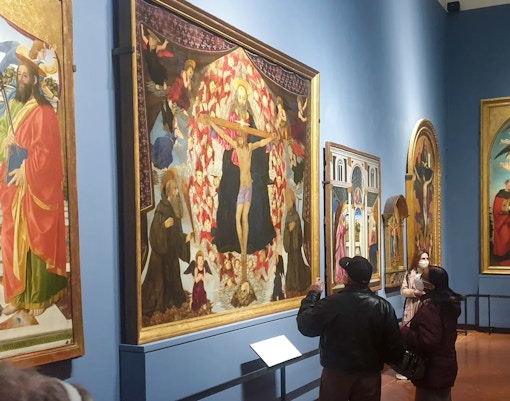
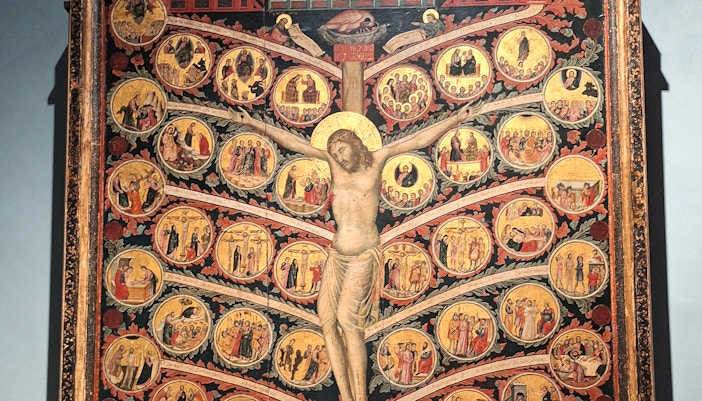
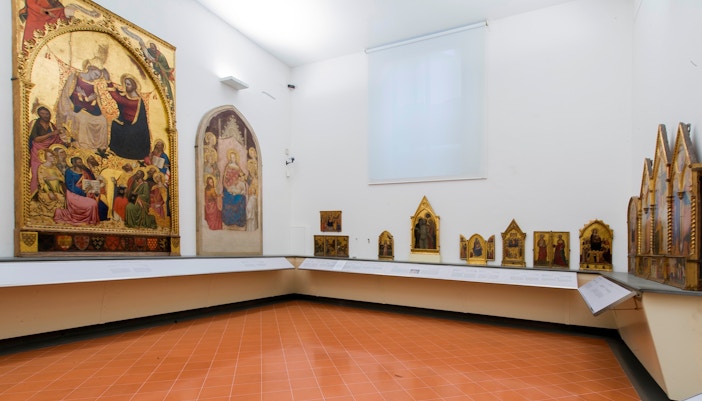
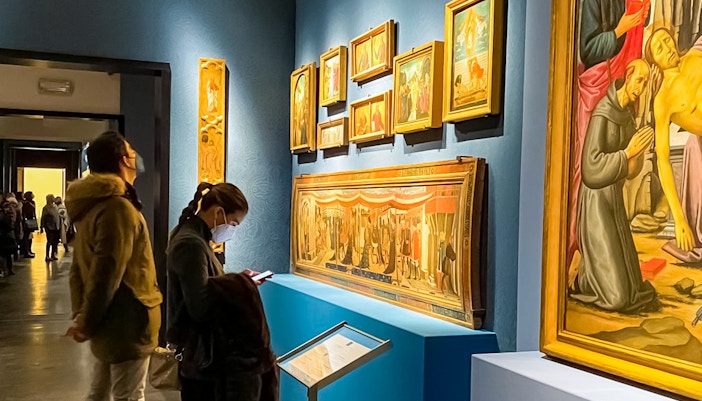
Beyond sculpture, the Accademia tells the story of Florence through art. Wander through rooms filled with Gothic altarpieces, luminous gold leaf, and Renaissance frescoes. Each corner reveals something unexpected—from Giotto’s early innovations to Botticelli’s delicate detail.

Step into the soundscape of the past

The Museum of Musical Instruments is a hidden gem. Explore rare pieces like a Stradivari violin and Medici-owned harpsichords. It's a quiet detour that gives the gallery unexpected dimension—and a nod to Florence’s musical legacy.

Small in size, rich in experience

The Accademia is compact and focused, ideal if you’re short on time or want an easy-to-navigate cultural hit. Whether it’s your first time in Florence or your fifth, this gallery offers a powerful, personal encounter with Renaissance brilliance.

Michelangelo's David

Sculptures

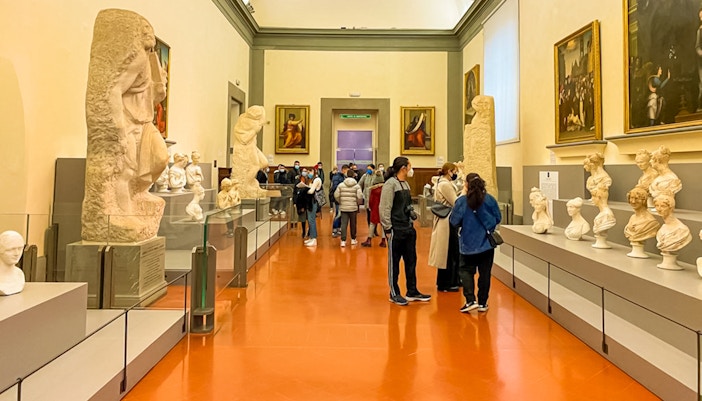
Home to Michelangelo’s masterpieces, including the towering David and the dramatic Four Slaves/Prisoners, the gallery also showcases neoclassical and romantic-era figures by Lorenzo Bartolini and Luigi Pampaloni.

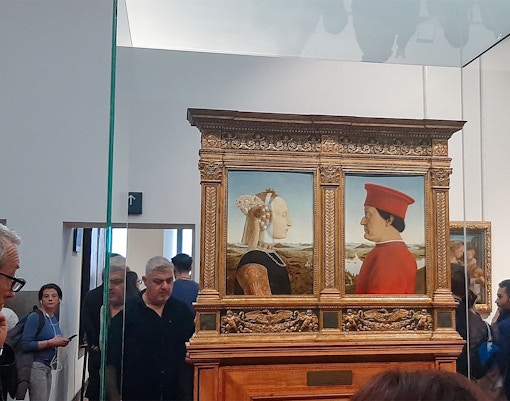
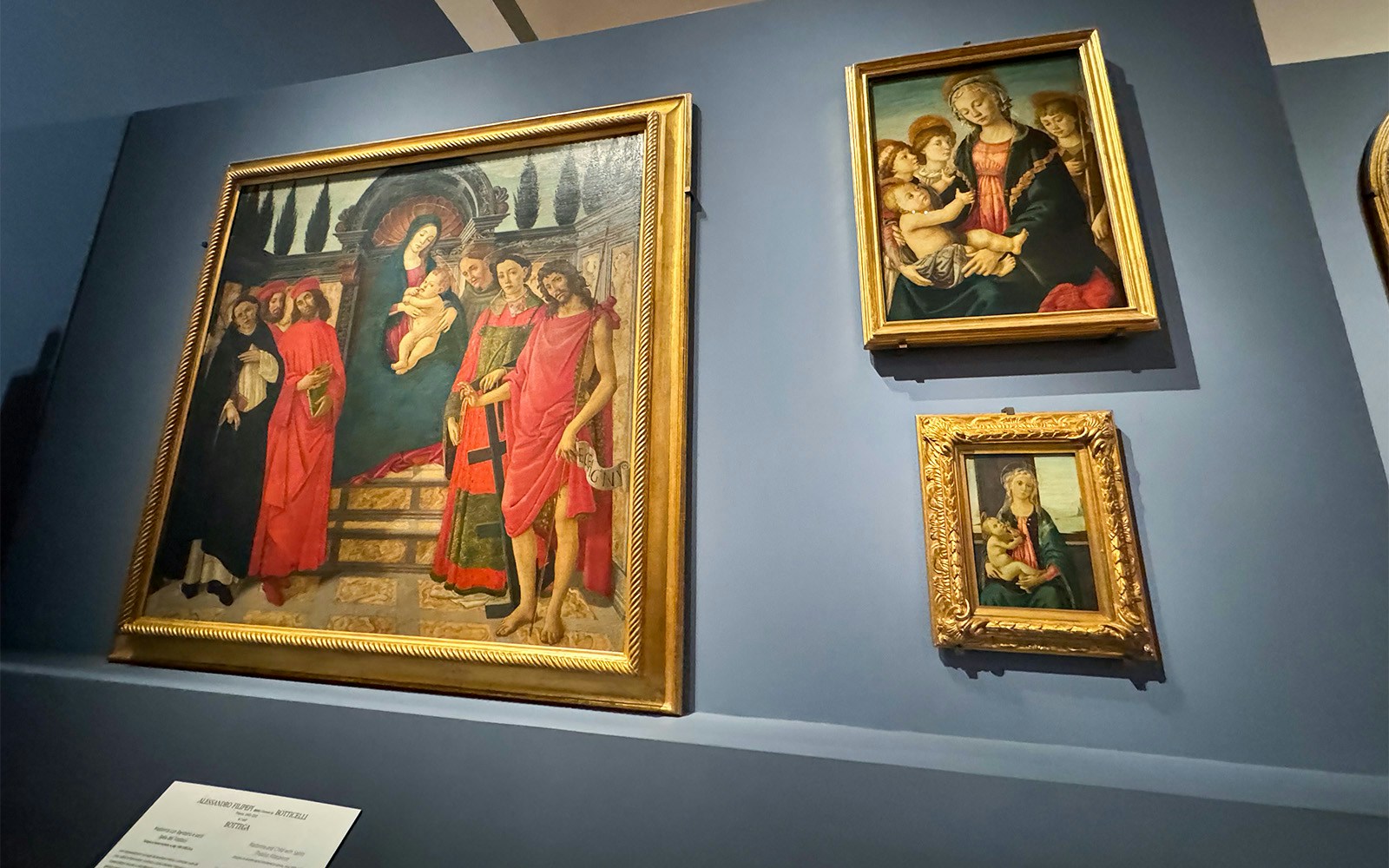
Paintings of Madonna and Child by Botticelli at Accademia Art Gallery, Florence.
Visitors exploring musical instruments at Accademia Art Gallery's Music Museum in Florence, Italy.

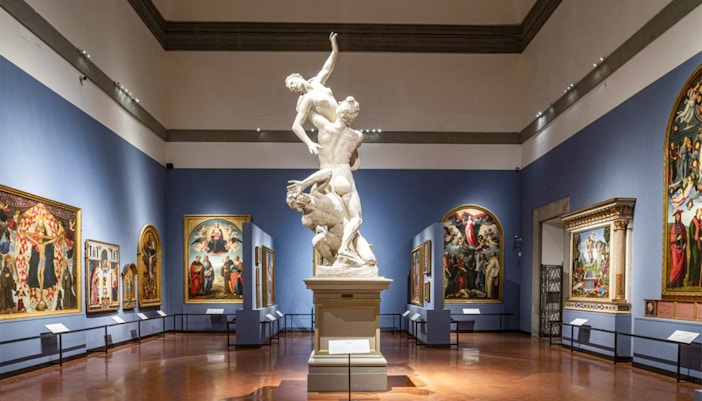
Hall of the Colossus

  • Location: Just past the gallery entrance, in the repurposed 18th‑century hospital wing.
  • Historical significance: Opened in the 1950s to showcase monumental art, especially from the 15th–16th centuries.
  • Highlights: Home to Giambologna’s plaster model for Rape of the Sabines and rare early Renaissance panel paintings by Botticelli and Ghirlandaio.

Hall of Prisoners

  • Location: Central corridor leading to the Tribune, featuring a series of unfinished figures.
  • Historical significance: Added in 1909 to showcase Michelangelo’s unfinished Slaves/Prisoners from Pope Julius II’s tomb project.
  • Highlights: Four haunting figures—Awakening Slave, Young Slave, Bearded Slave, and Atlas—each dramatically emerging from marble.
Story behind Michelangelo’s unfinished Slaves

The Tribune

  • Location: At the terminus of the Hall of the Prisoners, under a massive skylight.
  • Historical significance: Built by Emilio De Fabris in the late 19th century to give David its own sacred space.
  • Highlights: Features Michelangelo’s David at its center, flanked by paintings from Bronzino, Salviati and Allori.
David's history & highlights

Gipsoteca Bartolini

  • Location: In the former women’s ward (19th‑century room) near the main hall wing.
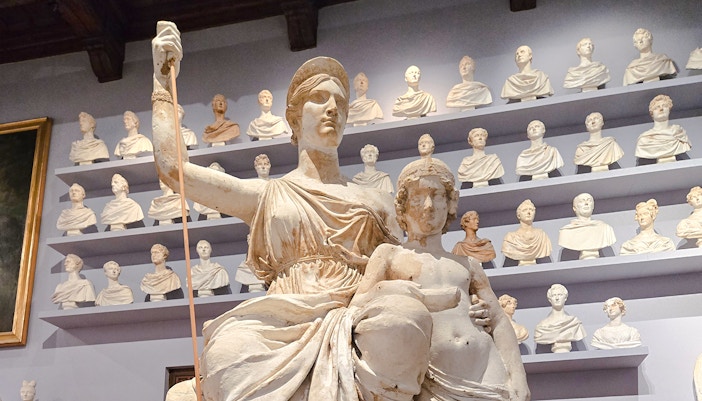
  • Historical significance: Housed in the 1980s, it preserves plaster models by sculptor Lorenzo Bartolini and his students.
  • Highlights: Exhibits finely made plaster casts that provide insight into 19th-century sculptural practices.

Florentine Gothic & Early Renaissance Rooms

  • Location: Ground floor, adjacent to plaster casts wing.
  • Historical significance: Comprises altarpieces and panel paintings from the 13th–14th centuries, rescued from local churches.
  • Highlights: Includes Bonaguida’s Tree of Life and stunning gold-ground Gothic masterpieces.

Museum of Musical Instruments

  • Location: On the first floor, in a wing formerly used by the Medici family.
  • Historical significance: Opened in 2022, it houses 17th–19th century instruments from the Medici–Lorraine collection.
  • Highlights: Features a rare 1716 Stradivarius violin and the world’s first piano by Bartolomeo Cristofori.

Accademia's architectural evolution

Before it became a museum, the Accademia Gallery was a place of healing and worship—housed in the former Hospital of San Matteo and the Convent of San Niccolò di Cafaggio. These medieval buildings gave it a layered identity: part civic, part sacred, part scholarly.

Founded in 1784 as a teaching space for the Academy of Fine Arts, the gallery adapted old structures into classrooms and exhibition halls. As its collection expanded, so did the need for change. In 1873, Michelangelo’s David was moved here, prompting the creation of a domed Tribune, designed to showcase the sculpture in natural light.

Throughout the 20th century, former wards and monastic spaces were transformed into themed halls—housing everything from Michelangelo’s unfinished Slaves to Renaissance altarpieces and historic musical instruments.

Today, the gallery’s architecture mirrors its mission: a space where Florence’s artistic, spiritual, and educational legacies come together under one roof.

  • 1784 – Founded by Grand Duke Pietro Leopoldo to support the newly reorganized Academy of Fine Arts, using former monastic buildings to train artists and display art.
  • Late 1700s–1800s – The collection expanded with works from dissolved churches and Napoleonic transfers, turning the gallery into a civic and educational resource.
  • 19th Century – The space evolved from a student training ground to a public museum, with curated displays replacing academic models.
  • 1873Michelangelo’s David was moved here from Piazza della Signoria, elevating the gallery's status as a must-visit site for sculpture lovers.
  • Early 20th Century – New additions like musical instruments and Byzantine works reflected a broader take on Florentine heritage.
  • Mid–Late 1900s – With rising tourism, the gallery expanded, modernized, and became more autonomous, while staying rooted in its academic origins.

The Accademia Gallery is a renowned gallery of art in Florence. It contains sculptures, paintings, historical records, and a collection of musical instruments from the renaissance and medieval periods. Its most famous work is ‘David’ by Michelangelo.

More reads

Museum Halls

Exhibitions

Plan Your Visit