Quick Information

RECOMMENDED DURATION

2 hours

VISITORS PER YEAR

100000

NUMBER OF ENTRANCES

3

EXPECTED WAIT TIME - STANDARD

30-60 mins (Peak), 0-30 mins (Off Peak)

Did you know?

The palace's name, "Palazzo Vecchio," means "Old Palace." It received this name only after the Medici family moved to the new Palazzo Pitti.

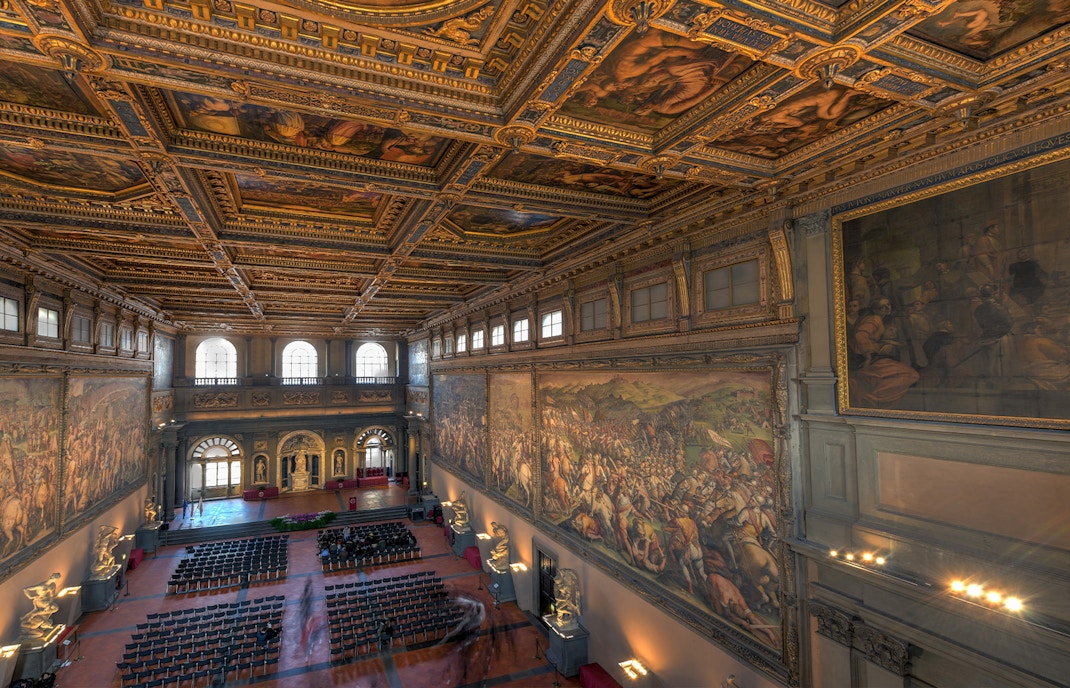
The Hall of the Five Hundred has a secret. An inscription on a Giorgio Vasari fresco reads "Cerca Trova" ("Seek and You Shall Find"), a clue believed by some to hint at a lost Leonardo da Vinci fresco.

A network of secret passages and staircases exists within the walls. They were built for the Medici family to move around discreetly and to escape danger.

Your journey through Palazzo Vecchio

Since this is still an active government building, only some parts of the palace are open to the public. The following sections are part of the museum.
Square and facade
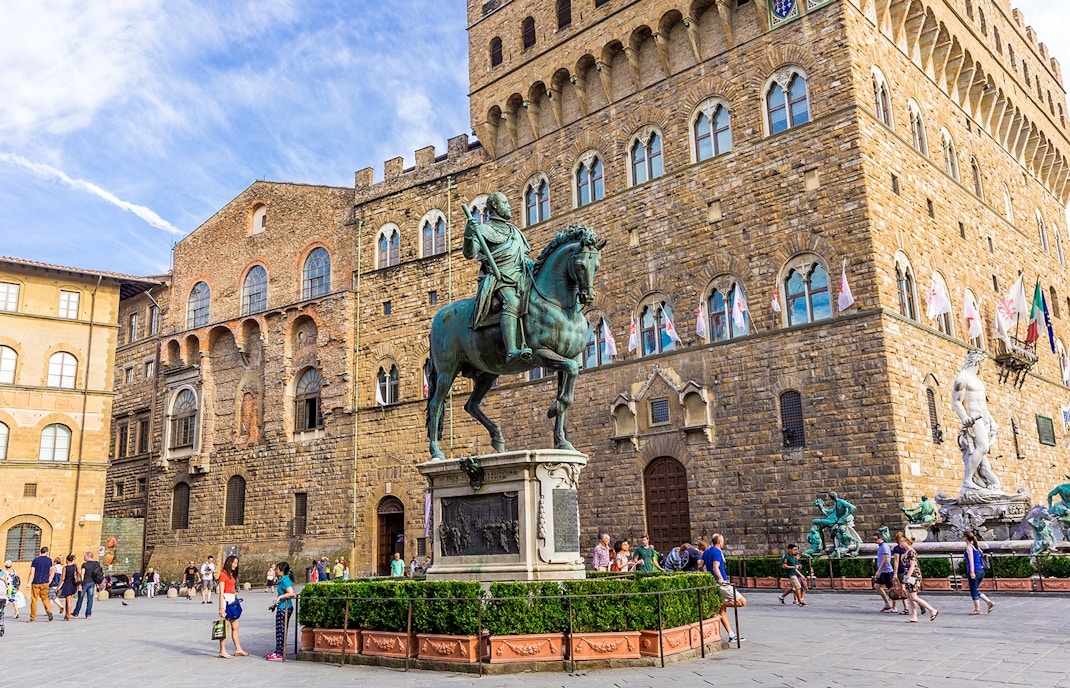
The Museum’s facade, perfectly blending into the Loggia dei Lanzi of Piazza della Signoria, boasts a replica of Michelangelo's renowned David statue and a stunning array of sculptures, making the square look like a big outdoor art gallery.

Ground floor

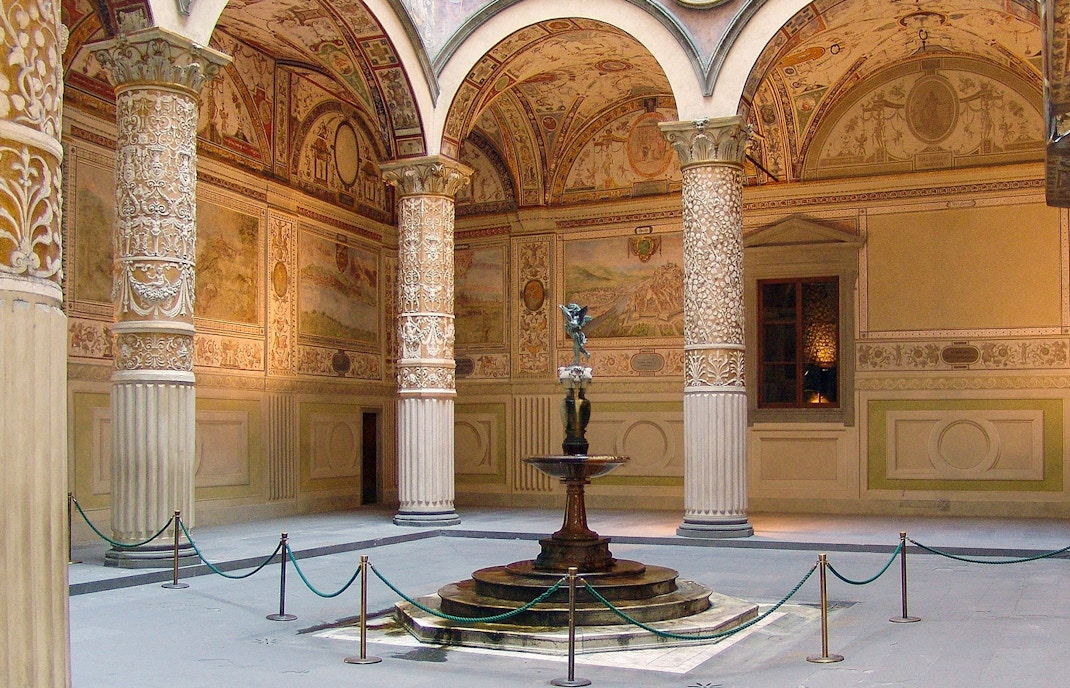
As you enter, the First Courtyard greets you with its elaborately decorated columns centered by a stunning fountain of an Angel holding a Dolphin. Walk through and admire the details before taking the Monumental Staircase or lift up to the first and second floors.
First floor

Explore the Hall of the 500 (Salone dei Cinquecento) with its impressive paneled frescoes, the private study of Francesco I, and the Monumental Quarters which had several rooms belonging to Cosimo I, Leo X, and Lorenzo the Magnificent. Each room illustrated the victories and achievements of these Medici patriarchs, filled with artwork by the Renaissance greats, including Vasari and Michelangelo.
Second floor

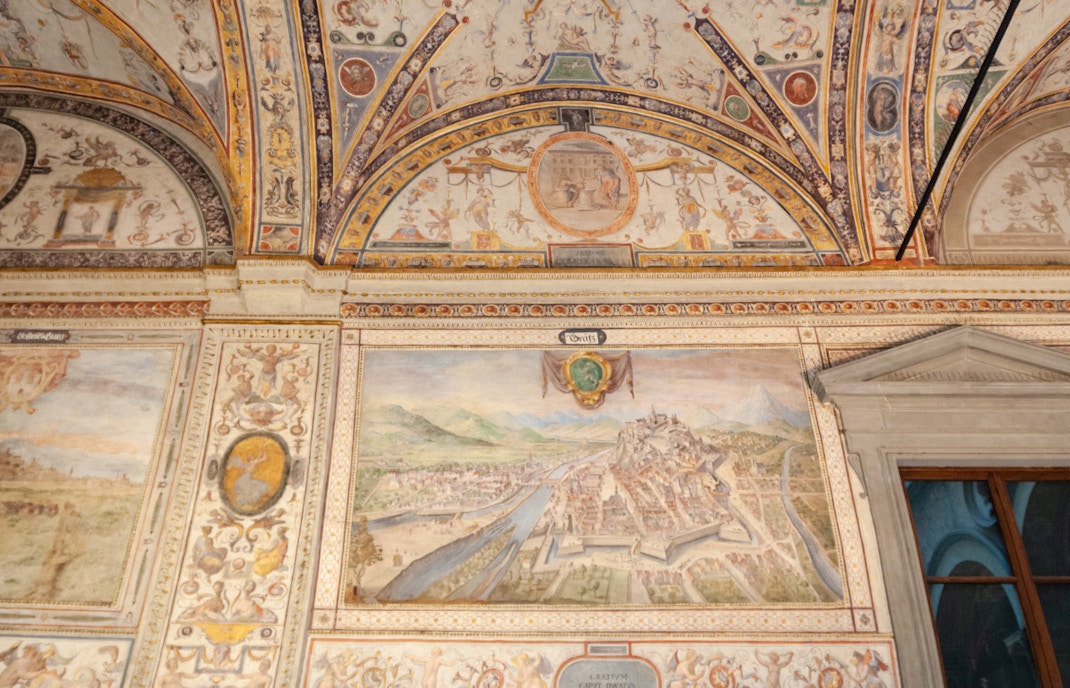
This floor holds numerous apartments, most notably those of the Duchess Eleonora, including her astounding Green Room. You can also explore the Hall of Lilies with its evocative sculpture of Judith slaying Holofernes by Donatello backdropped by floral decor symbolizing the city’s alliance with France. Don’t miss the Hall of Geographical Maps with over 50 hand-paintings of the world before GPS.
Climb Arnolfo Tower for breathtaking views

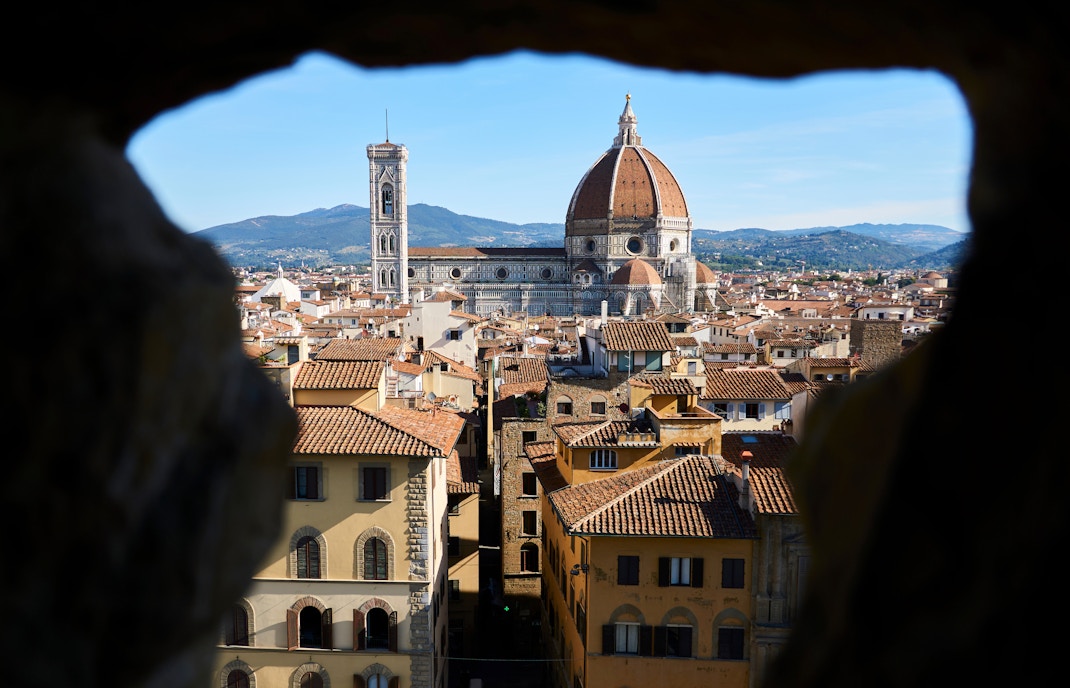
Head to the top of Palazzo Vecchio’s defensive watchtower for a panoramic view of the city. The climb may be difficult for some, but the views from the top are well worth the effort. From the top of the tower, survey the surrounding hills, Santa Maria del Fiore Cathedral’s red dome, Giotto’s Bell Tower, and many other famous landmarks.
Discover Arnolfo tower tickets

Roam the secret passages

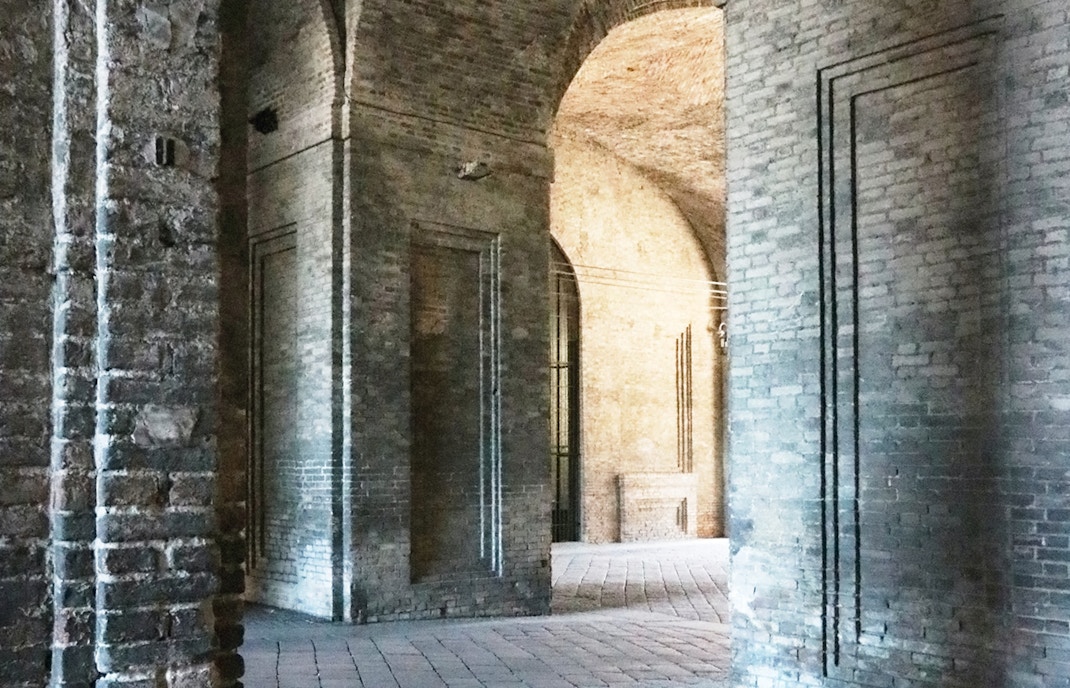
Explore the mysterious corridors and chambers in Palazzo Vecchio that were once used by the rulers of Florence. These spaces were used to conduct business, hide treasure, and escape danger. You will ascend a narrow staircase, enter a hidden door behind a painting, and see spaces like the Hall of the 500 from a different perspective.

Discover Secret Passages tours

Get to see what's inside Palazzo Vecchio, including a detailed look at what's on each floor and a map of the premises.
Other activities at Palazzo Vecchio

Participate in the Museum's workshops and shows

Palazzo Vecchio hosts several cultural events and exhibitions throughout the year, including permanent activities like fresco painting in the atelier, a workshop that helps you hunt the 'turtle with a sail' motif present in numerous decorations of Cosimo I, and storytelling sessions that engage different sensory experiences. These activities immerse visitors into Florence's history, art, and culture in a more interactive way.

Join a guided tour 

Take a guided tour to gain a deeper understanding of the history and significance of the Palazzo Vecchio Museum. These tours provide you with insight into the different chambers and artwork in the museum. They're available in several languages, catering to your chosen group size.

Browse guided tours

History of Palazzo Vecchio

  • The palace was commissioned in 1299 and built in the early 14th century on top of the ruins of a Roman theater. It was designed by architect Arnolfo di Cambio to house the city council's government and later the Florentine Republic.
  • The palace served as the home of the Medici family, the Grand Duchy of Tuscany, from the 15th to the 18th centuries. Its impressive architecture is adorned with frescoes, statues, and other works of art, many commissioned by the Medicis.
  • It was taken over by the Florence City Council and Italian Parliament in the 19th century, and still serves government functions to this day. 
  • In 1960, Palazzo Vecchio opened its doors as a Museum. Turning it beyond a city hall and mayor’s office, into a cultural masterpiece offering a glimpse into the city's rich history and cultural heritage.
  • 21st century: Palazzo Vecchio has been featured in many films and TV shows, most notably Dan Brown’s ‘Inferno’, and the hit Netflix series ‘Medici: Masters of Florence’ (2016).

Detailed history of Palazzo Vecchio

Who built Palazzo Vecchio?

Arnolfo di Cambio

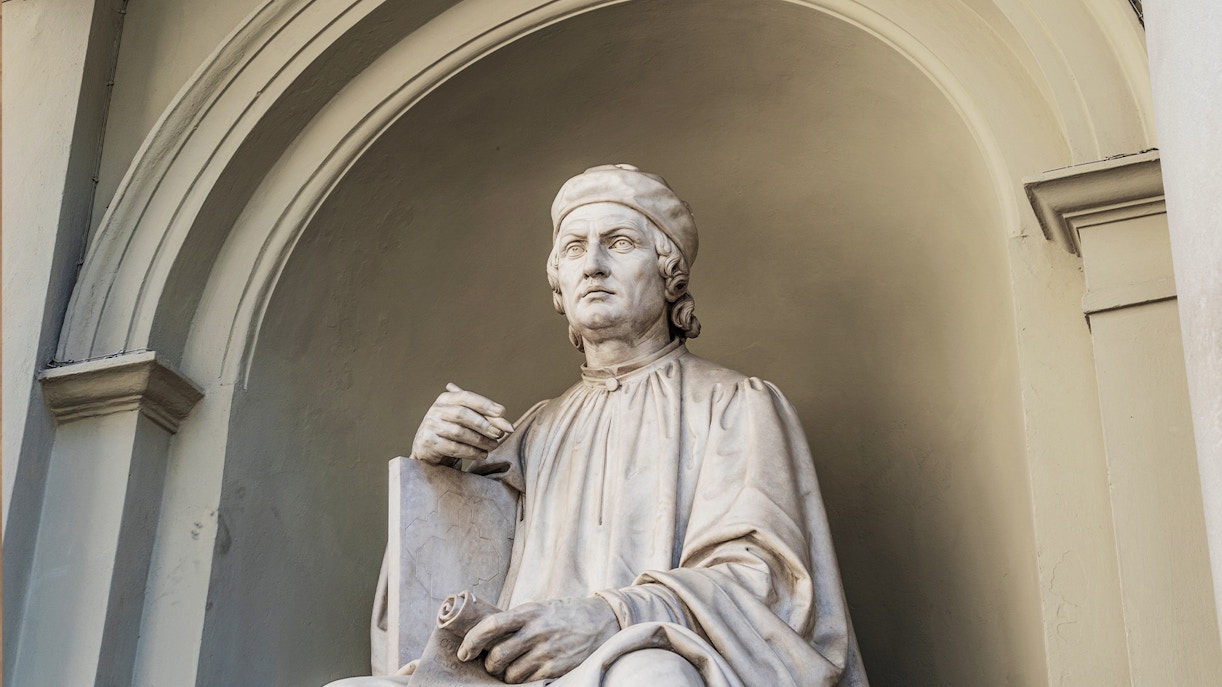
Palazzo Vecchio was designed by Arnolfo di Cambio, a Florentine architect and sculptor who was also responsible for the construction of the Duomo and other notable buildings in the city. Cambio was a pioneer of the Italian Gothic style, and his work on Palazzo Vecchio helped to establish the architectural style in Florence. Architects and artists, most prominently Michelozzo di Bartolomeo and Giorgio Vasari also played important sequential roles in the structure and decor, especially during its Renaissance transformation under the Medici dynasty.

Architecture of Palazzo Vecchio

Palazzo Vecchio

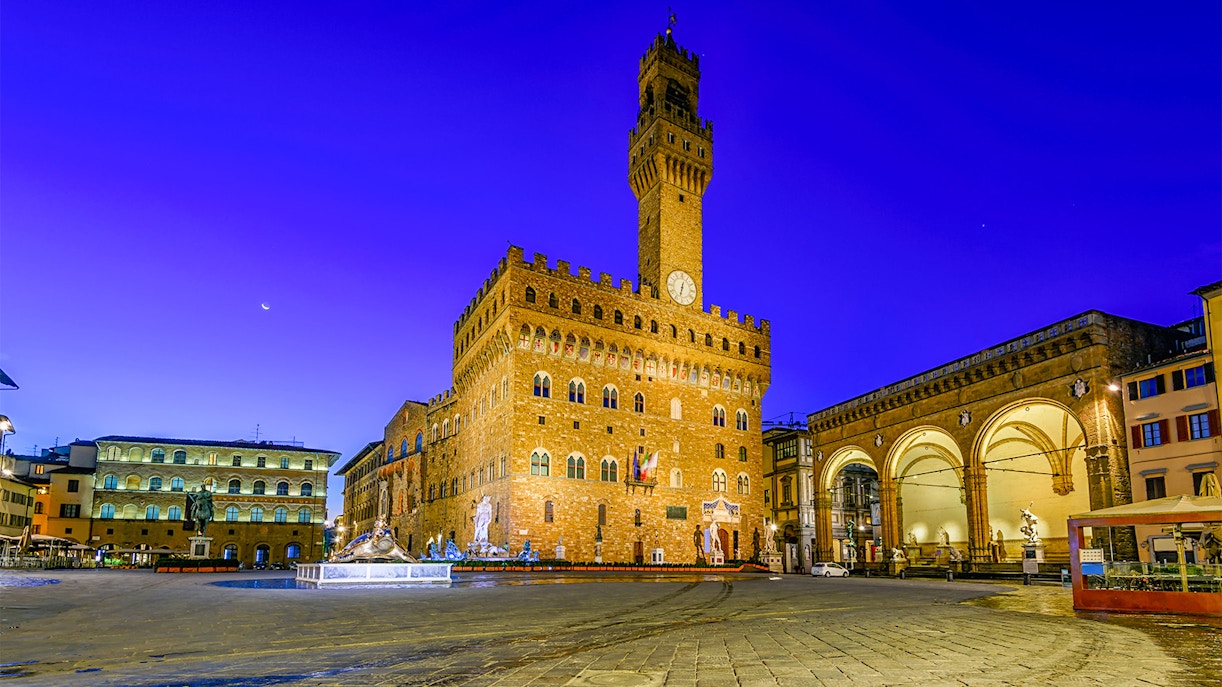
Palazzo Vecchio is a magnificent fortress-palace that was built at the end of the 13th century. It was originally designed as a residence for the leaders and representatives of Florence’s citizens. The building's architectural style is a mix of Romanesque, Gothic, and Renaissance elements, reflecting the changes in artistic taste over the centuries.

The exterior of the building features crenelated walls, battlements, and a massive tower that dominates the skyline. The interior of the palace is just as impressive, with its grand halls, intricate frescoes, and ornate ceilings.

The building has undergone numerous renovations and expansions over the years, but its original architectural elements have been preserved. Palazzo Vecchio's layered architecture is a testament to the city's rich cultural and architectural heritage.

Learn more

Frequently asked questions about Palazzo Vecchio

Palazzo Vecchio has served as a government building, a residence for the Medici family, and is now a museum and city hall. It’s an important historical landmark that showcases the cultural legacy of Florence.

More reads

Statues

Book Now

Location

Book Now

Best time to visit

Book Now