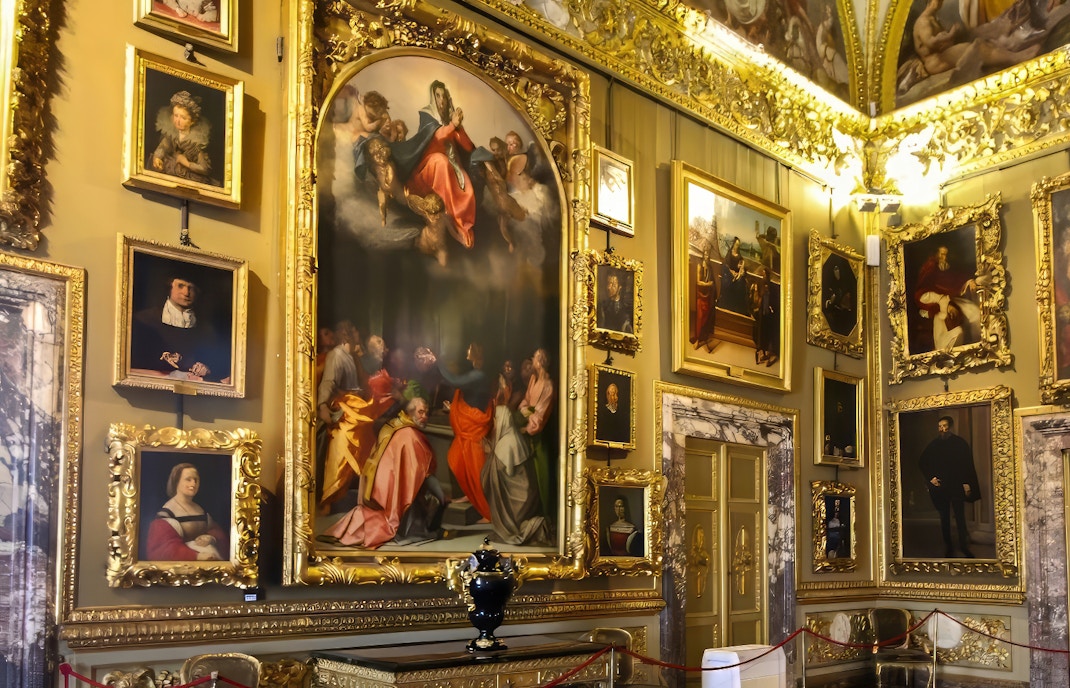
Exploring the lavish Palazzo Pitti interior

What's inside the Pitti Palace?

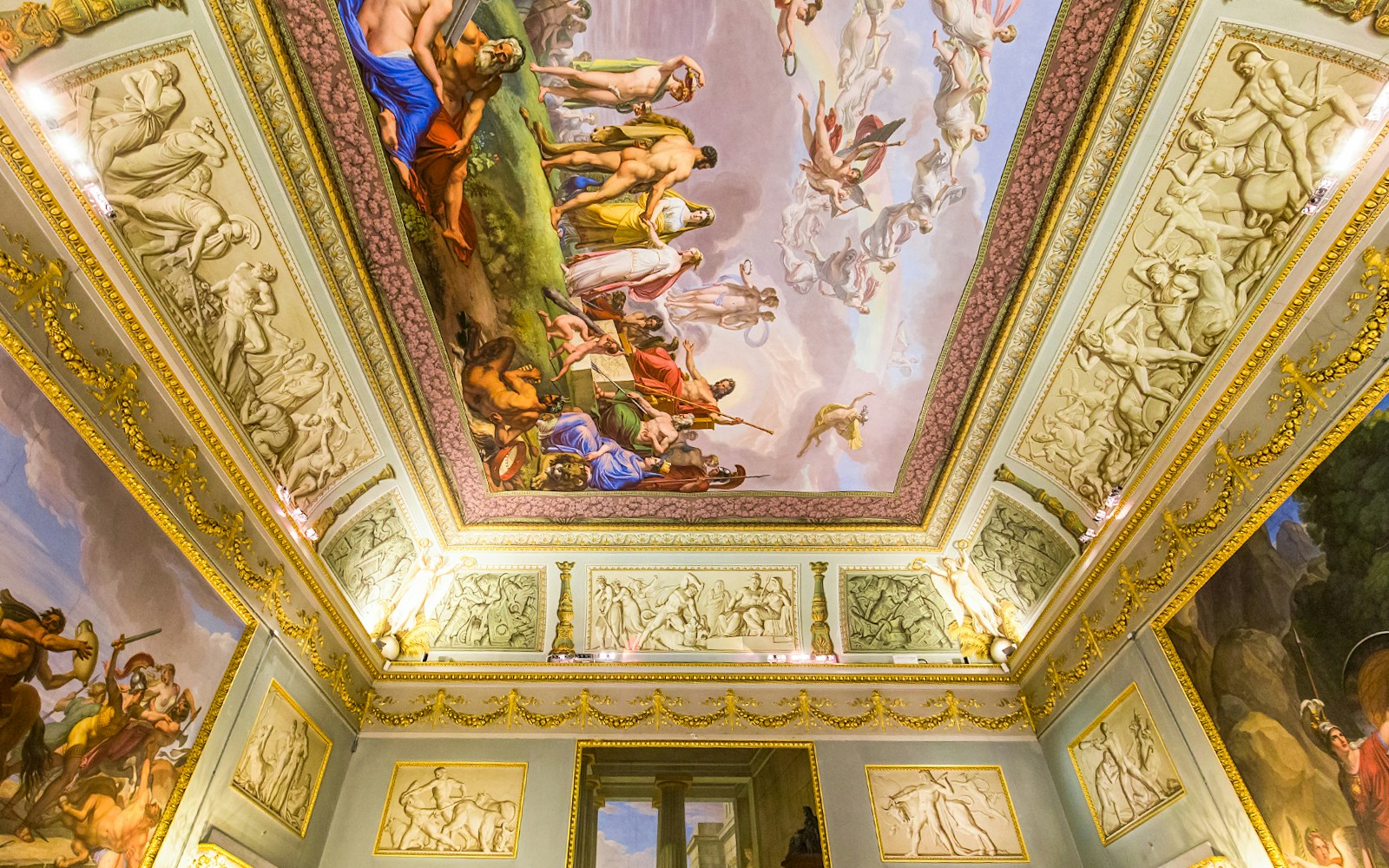
The palace boasts 140 rooms, divided into galleries and museums. Inside, you'll discover a treasure trove of old luxury —from lavish chandeliers to plush furnishings and intricate frescoes on the ceilings. Wander through meticulously preserved or recreated rooms, guided by signs explaining Napoleon's changes and historical settings. Don't miss the stunning gold-framed paintings, making every corner a visual delight.

More insights on Pitti Palace

Museums & Galleries inside Pitti Palace

Palatine Gallery

Location: Left wing of the first floor, Pitti Palace.
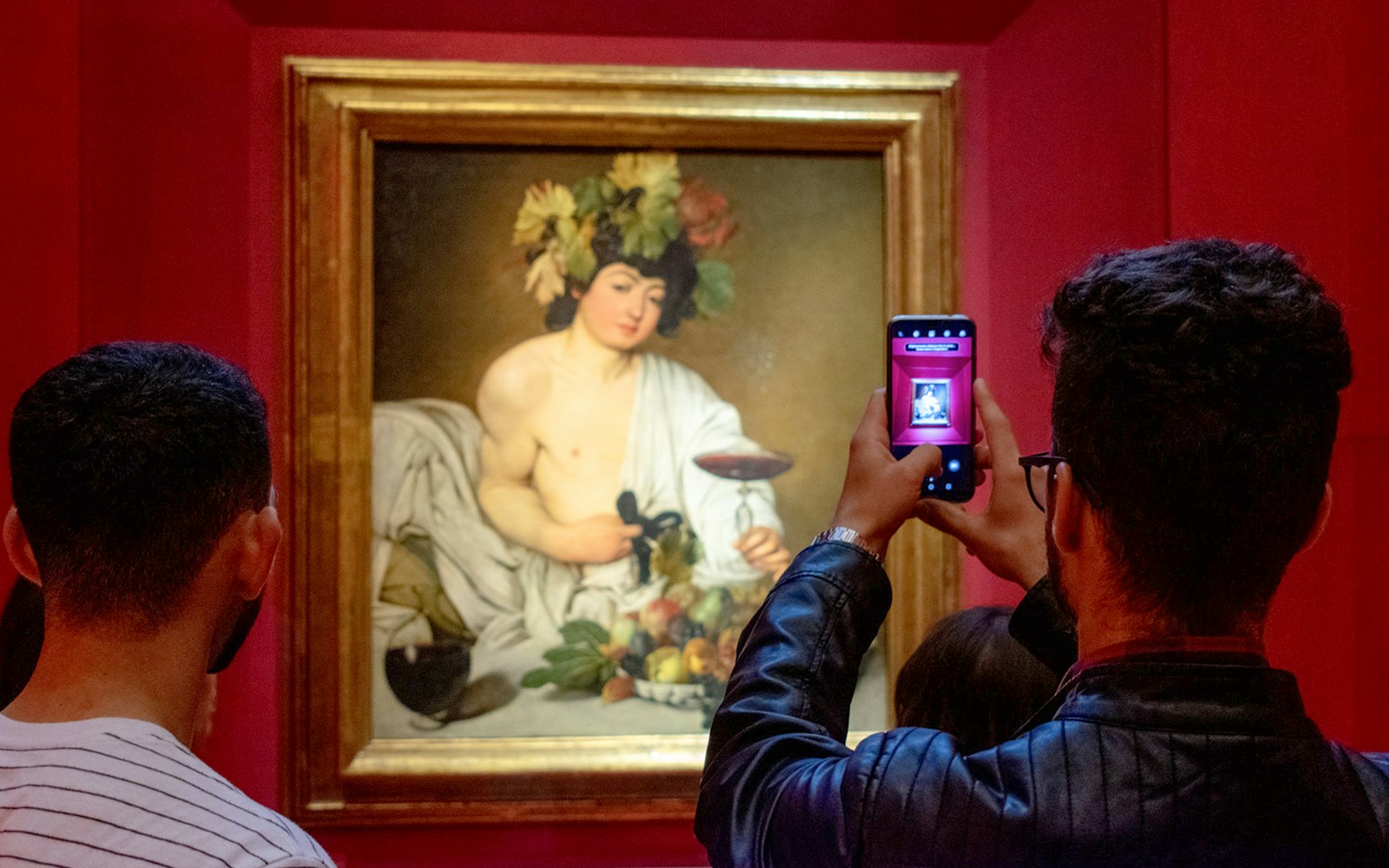
Highlights: Over 500 Renaissance and Baroque paintings, including works by Raphael, Titian, Rubens, Pietro da Cortona, and Correggio.

The main gallery of the Palazzo Pitti, featuring the Medici family's private collection of primarily Renaissance paintings.
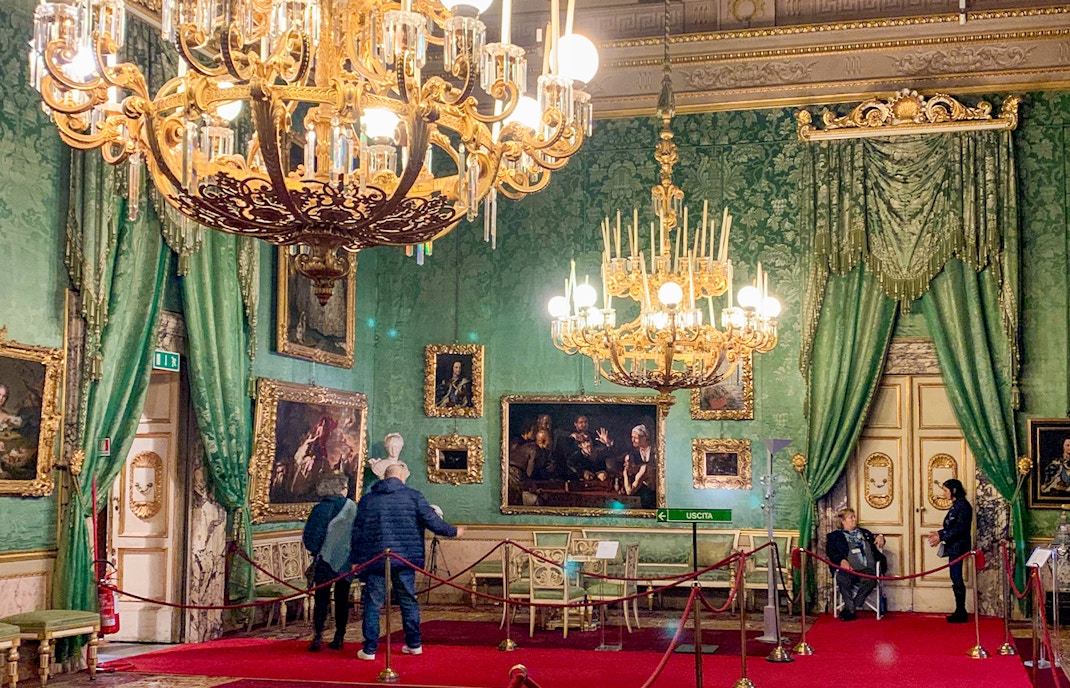
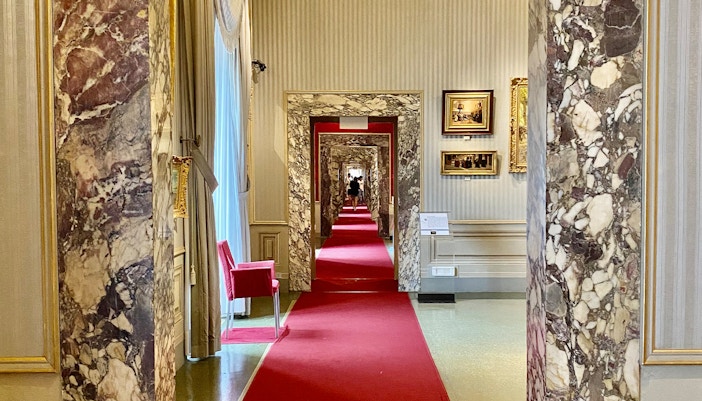
See the Palatine Gallery collection

Royal Apartments

Location: Left wing of the first floor, Pitti Palace.
Highlights: A suite of 14 rooms furnished from the Medici era, featuring antique furniture, Medici portraits, and beautiful collectibles.

The apartments where the Medici family lived, showcasing the grandeur of their lifestyle with antique furniture and Medici portraits.

Treasury of the Grand Dukes

Location: Ground floor, Pitti Palace.
Highlights: Rooms originally used as the Medici family's summer apartments, featuring semi-precious stone vases, ambers, ivories, and rock crystals.

A museum showcasing the Medici family's treasure, including semi-precious stone vases, ambers, ivories, and rock crystals.

Gallery of Modern Art

Location: Second floor, Pitti Palace.
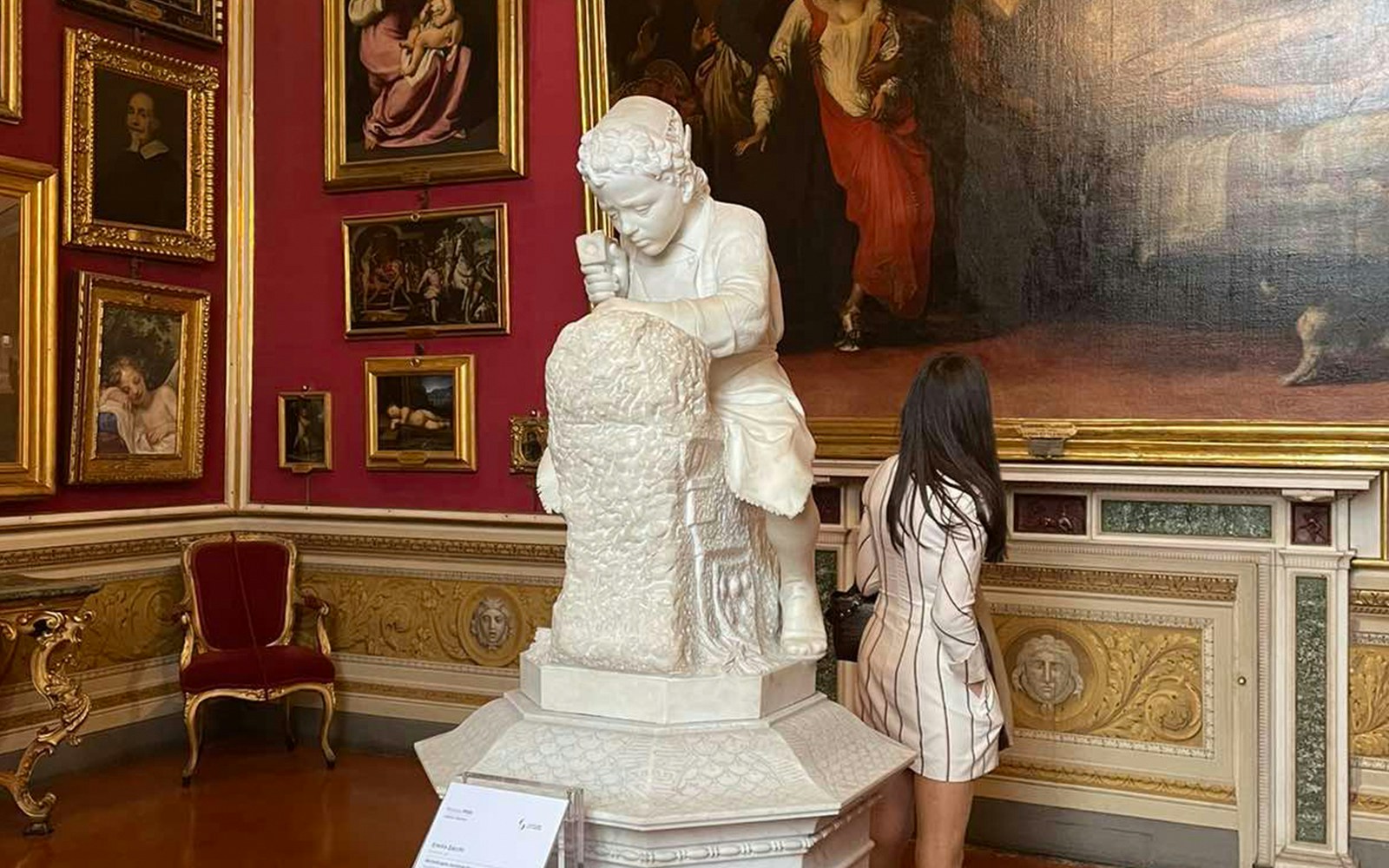
Highlights: A collection of paintings and sculptures from the 19th and 20th centuries, featuring works by Italian artists like Giovanni Fattori.

A gallery featuring a fabulous collection of paintings and sculptures from the 19th and 20th centuries, with a focus on Italian artists.

Museum of Costume and Fashion

Location: Palazzina della Meridiana, adjacent to the Pitti Palace's southern wing.
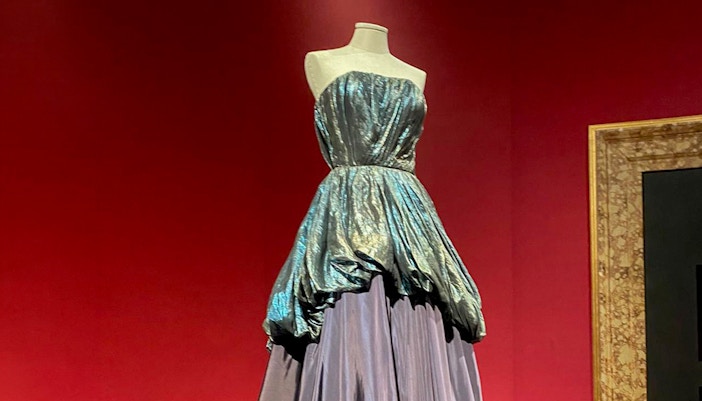
Highlights: A collection of costumes and fashion from the 18th to the 20th centuries, including contemporary jewelry and historical pieces.

A museum dedicated to the history and evolution of fashion, showcasing costumes and accessories from the 18th to the 20th centuries.

Highlights of Pitti Palace interiors

Rusticated Stonework
pitti palace courtyard - Naumachia
Vasari Corridor
Historical decorations
Fascinating paintings
Sculpture and jewelry exhibitions
1/6

Rusticated Stonework

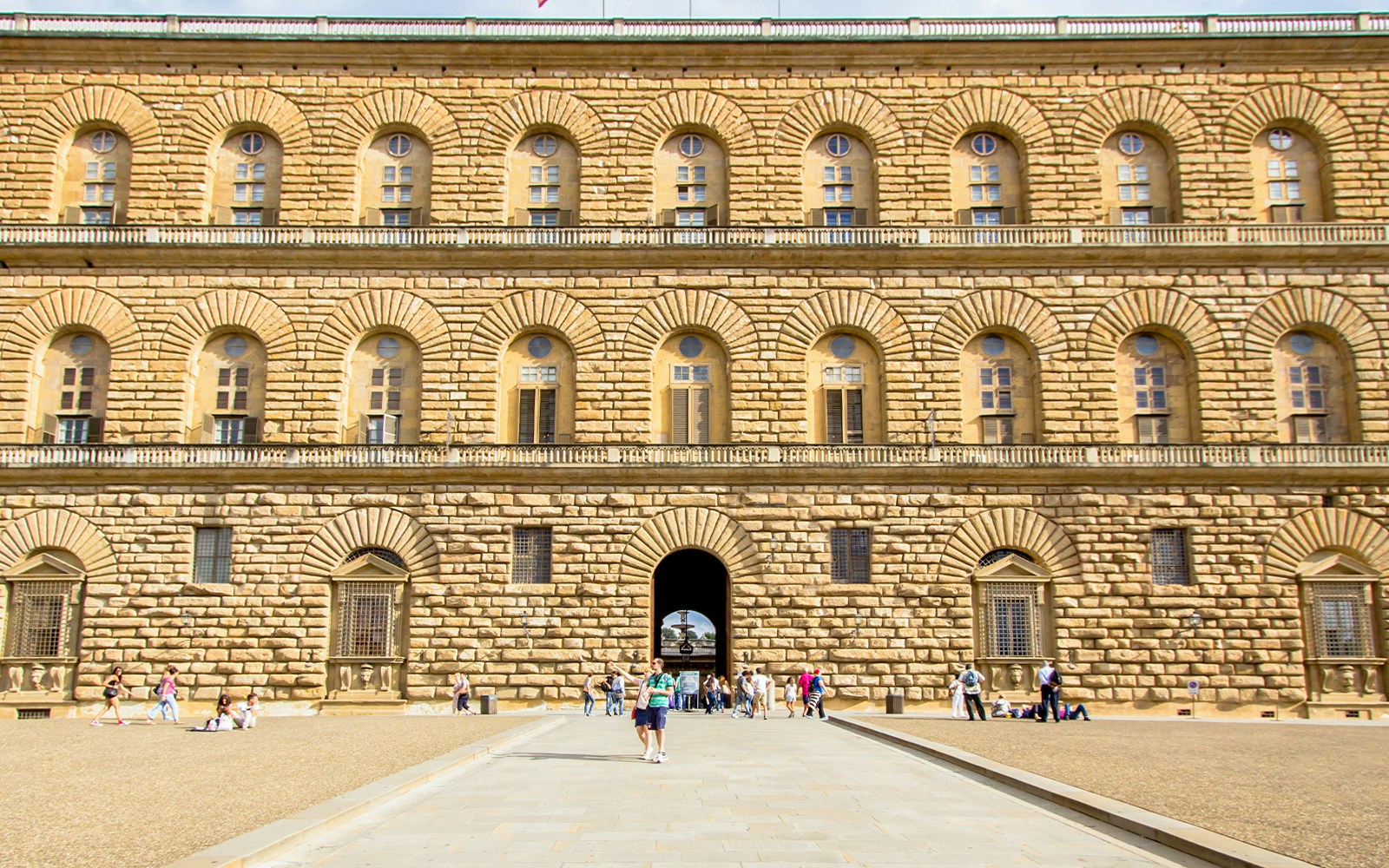
The heavy rusticated stonework of Pitti Palace adds to its majestic allure, featuring large blocks of rough stone with straight edges, gradually becoming more elegant as they ascend, reflecting Luca Pitti's wealth.

Naumachia

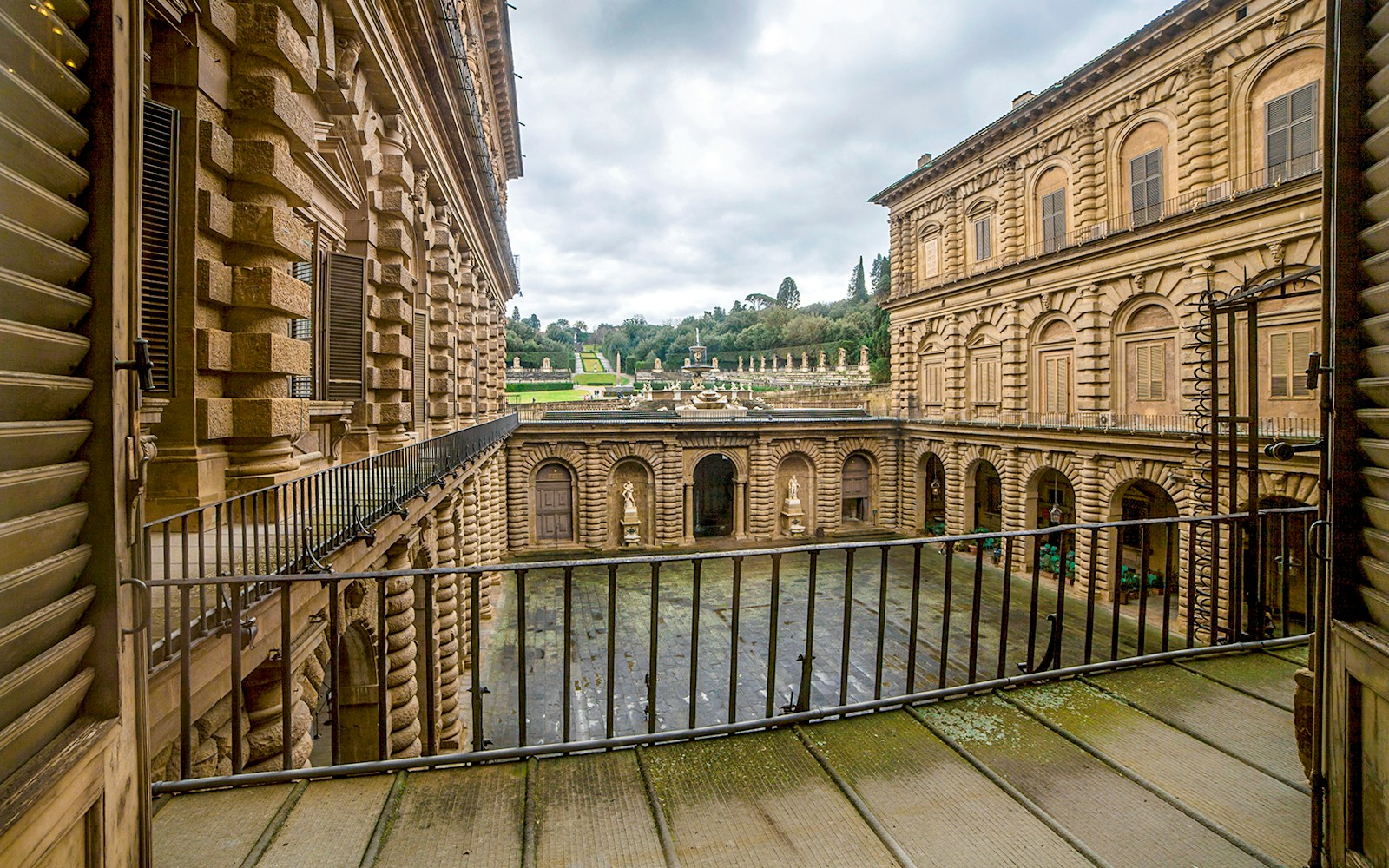
The central courtyard hosted lavish celebrations like the naumachia, a mock naval battle held during Ferdinando I de Medici's wedding, where 18 ships filled the courtyard with water.

Vasari Corridor

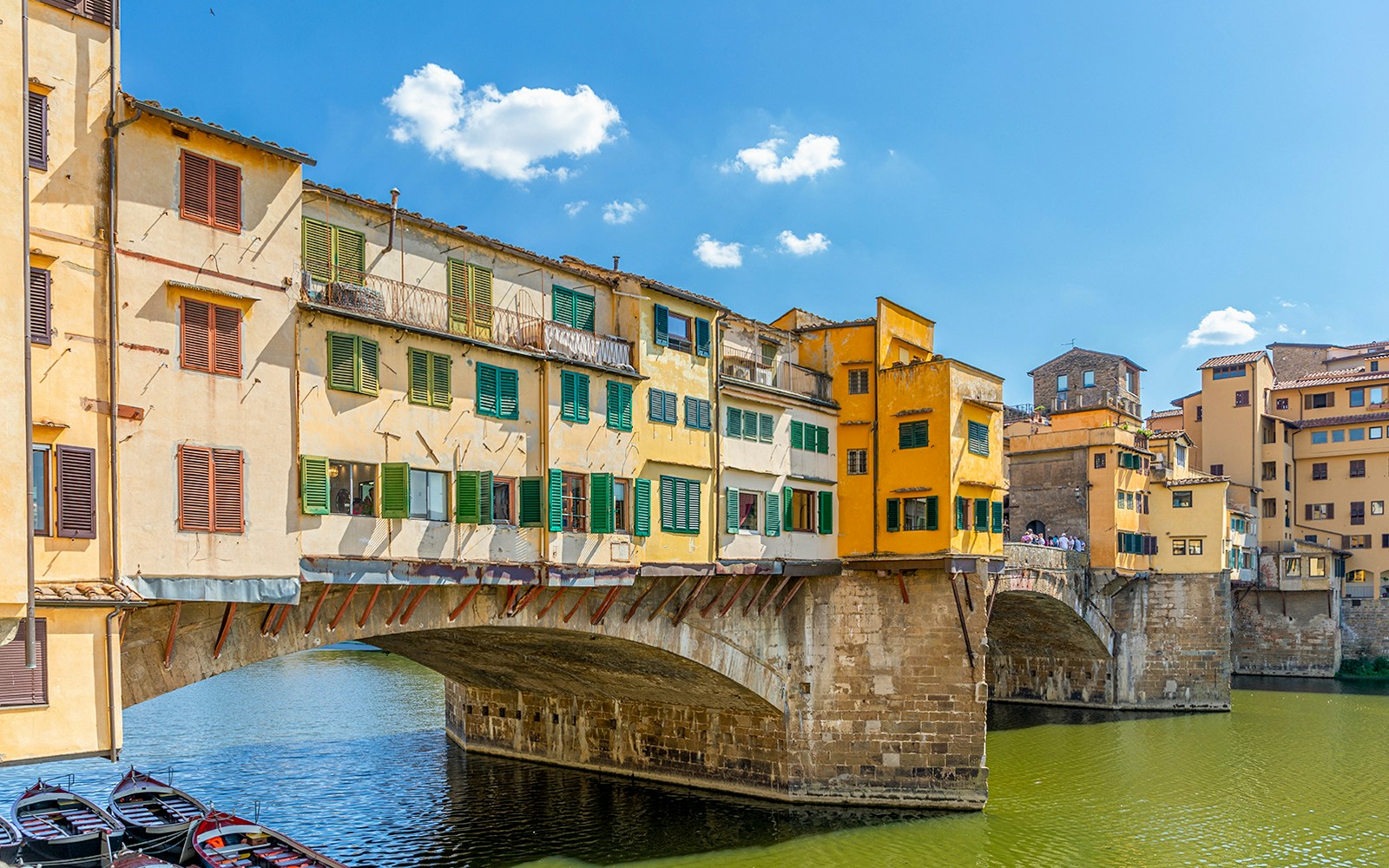
The Vasari Corridor, connecting Palazzo Pitti to Palazzo Vecchio, served as a secret passage for the dukes, now accessible for guided tours showcasing portraits and ancient sculptures.

Historical decorations

Appreciate the palace's historical decorations, from the Renaissance-era frescoes by Bernardino Poccetti to later Neo-classical and Rococo-style embellishments, reflecting centuries of artistic evolution.

Fascinating paintings

Learn about the recent recovery of a painting stolen by Nazis during WWII, now on display with its intriguing story. Marvel at the sheer number of gold-framed paintings adorning each room, contributing to the palace's appeal.

Sculpture and jewelry exhibitions

Don't overlook the smaller exhibits within the palace, featuring modern sculptures and jewelry. Explore these hidden gems, set apart from the main museum space, and appreciate their beauty amidst the grandeur of the Pitti Palace.

Palazzo Pitti's interior architectural style

The architectural style of the Pitti Palace's interior is primarily Renaissance with late Mannerist and Baroque influences. The palace's exterior is characterized by its colossal stories, which are twice the height of the stories of the Palazzo Medici, and its arches of a form known as the "Florentine arch," which is distinguished by taller voussoirs at the top. The palace is rusticated on all three stories using huge multi-tone blocks, which were meant to express its owner's financial power.

Over the centuries, the palace underwent extensive decoration and embellishment, resulting in luxe interiors with grandiose frescoes, intricate stucco work, and elaborate architectural details. Artists from various regions contributed to the decoration, creating spatial illusionism and expanding the apparent size of the rooms. Elements of Rococo and Neo-classical styles can also be observed in some areas, adding to the palace's diverse architectural character.

History's influence on Palace's architecture

Frequently asked questions about Palazzo Pitti interior

The Palazzo Pitti is one of the largest palaces in Florence, situated onthe slopes ofthe Boboli Hill, south of then Arno River. The total area is 32,000 sqm.

More reads

Plan your visit

Plan your visit

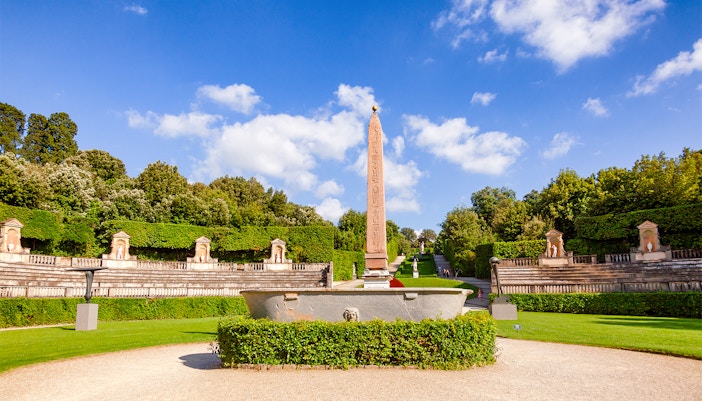
Boboli Gardens

Boboli Gardens

Guided tours

Guided tours