Palazzo Pitti history | From Medici to Lorraine to Savoy dynasty

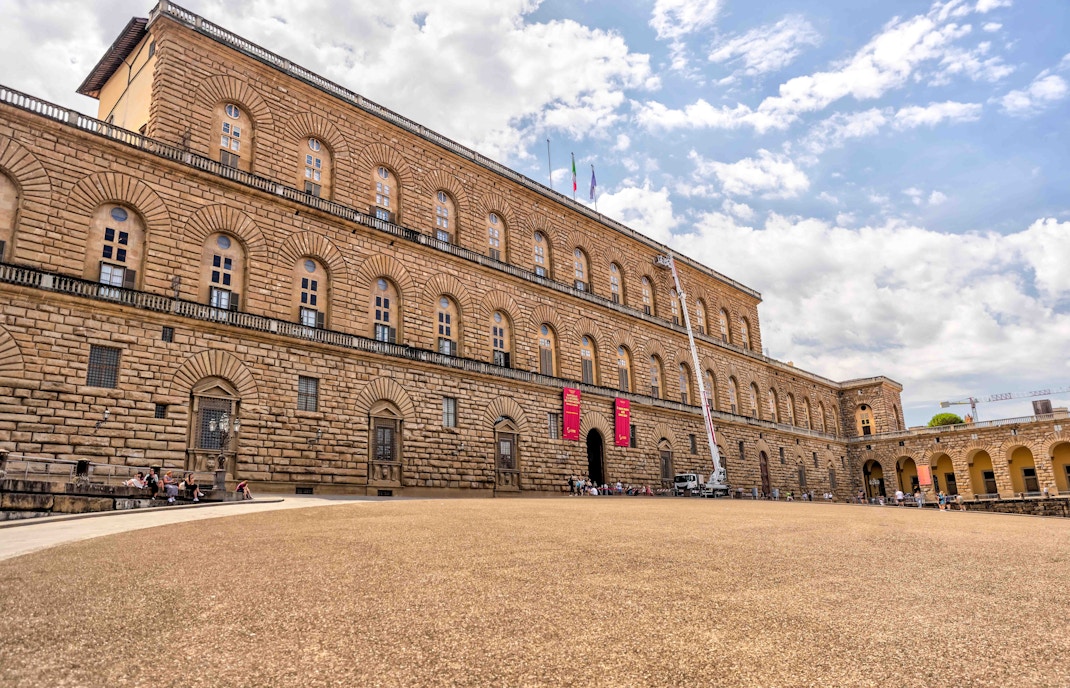
Palazzo Pitti is a grand Renaissance palace in Florence, Italy, that has made significant highlights in the city's history. Originally built for a wealthy banker in the mid-15th century, the palace was later acquired by the powerful Medici family and became their primary residence. With its grand architecture, lavish interior, and extensive collection of artworks, Palazzo Pitti is a popular tourist attraction and museum. Take a walk to the past at Palazzo Pitti!

Brief Palazzo Pitti history timeline

  • 1458: Construction of Palazzo Pitti begins for Luca Pitti, a wealthy Florentine banker and rival of the Medici family.
  • 1549: The palace is purchased by the Medici family and becomes their primary residence.
  • 1560-1580: The Medici family enlarges the building and transforms the interior, commissioning many important artworks to decorate the palace.
  • 1737: The last Medici heir dies and the palace passes to the Lorraine family.
  • 1773-1776: The palace is extensively renovated by the Lorraine family, adding new wings and further embellishments to the building.
  • 1865: The palace became the residence of the King of Italy.
  • 1919: The palace is turned into a museum, housing a vast collection of artworks and historic objects.
  • 1944: During World War II, the palace suffers significant damage from bombing but is eventually restored.
  • 2017: Palazzo Pitti celebrates its 500th anniversary with a series of special events and exhibitions.

Detailed Palazzo Pitti history explained

Luca Pitti and the birth of the Palace

1458

The construction of Palazzo Pitti was commissioned by Luca Pitti, a Florentine banker and supporter of Cosimo de’ Medici. This grand palace was built to rival the Medici family's influence, becoming the largest private residence in Florence. Despite myths attributing the design to Filippo Brunelleschi, Luca Fancelli was the actual architect.

Eleonora of Toledo and the Medici era

16th Century

In 1549, Eleonora of Toledo, wife of Cosimo I de’ Medici, acquired the palace, transforming it into a ceremonial residence for the Medici family. They added a new wing to the palace and commissioned the Italian architect Bartolomeo Ammannati to design a grand courtyard and the magnificent Boboli Gardens, which became a model for royal palaces across Europe.

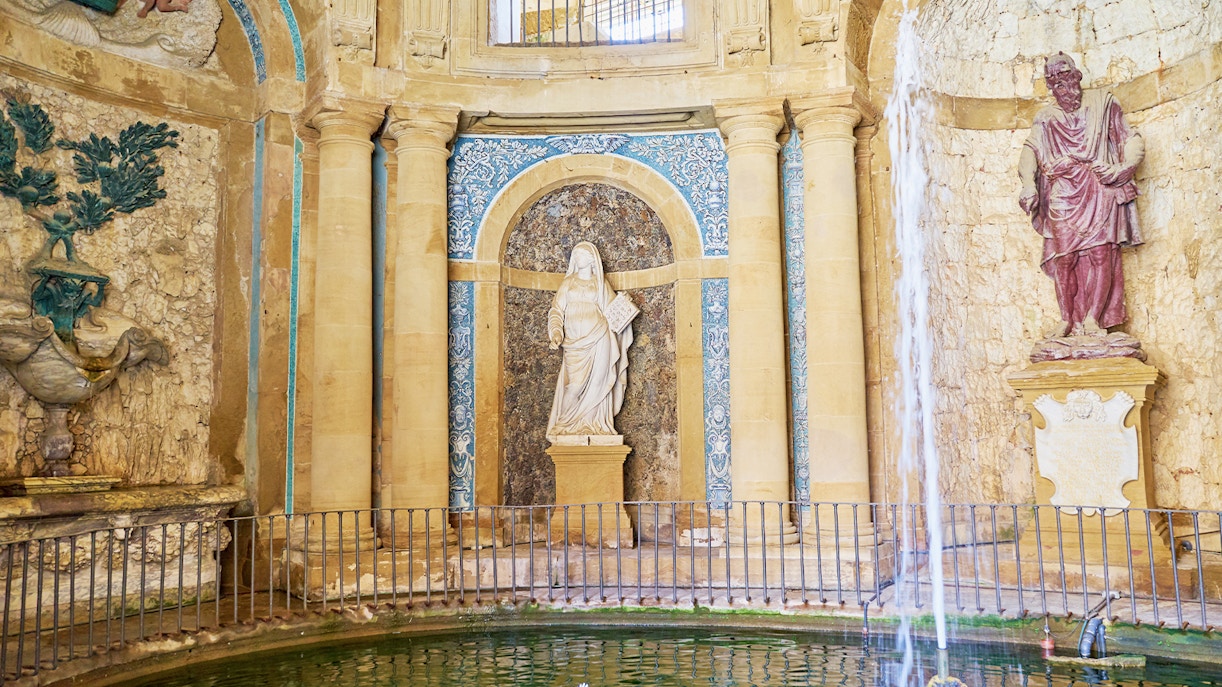
Exploring the Boboli Gardens

Baroque renovations

17th Century

During the 17th century, the Palazzo Pitti underwent further renovations and expansions under the Grand Duke Ferdinando II. He commissioned the Baroque architect Filippo Juvarra to design a new facade and enhance the palace's interiors with lavish decorations and furnishings.

Grand Ducal Patronage

18th-19th Centuries

In the 18th century, the Palazzo Pitti briefly served as the power base of Napoleon and then became the residence of the Habsburg-Lorraine dynasty, who succeeded the Medici family as rulers of Tuscany. They added further decorations and furnishings to the palace, including many fine artworks

From Italian unification to present day

20th Century

Transitioning from royal residence to state property, Pitti Palace evolved into a national museum and was opened to the public. During World War II, the palace was damaged by Allied bombings, but the artworks had been previously removed and were safe. It now showcases a treasure trove of art and history, inviting visitors to explore its rich heritage and architectural splendor.

Palazzo Pitti architecture 

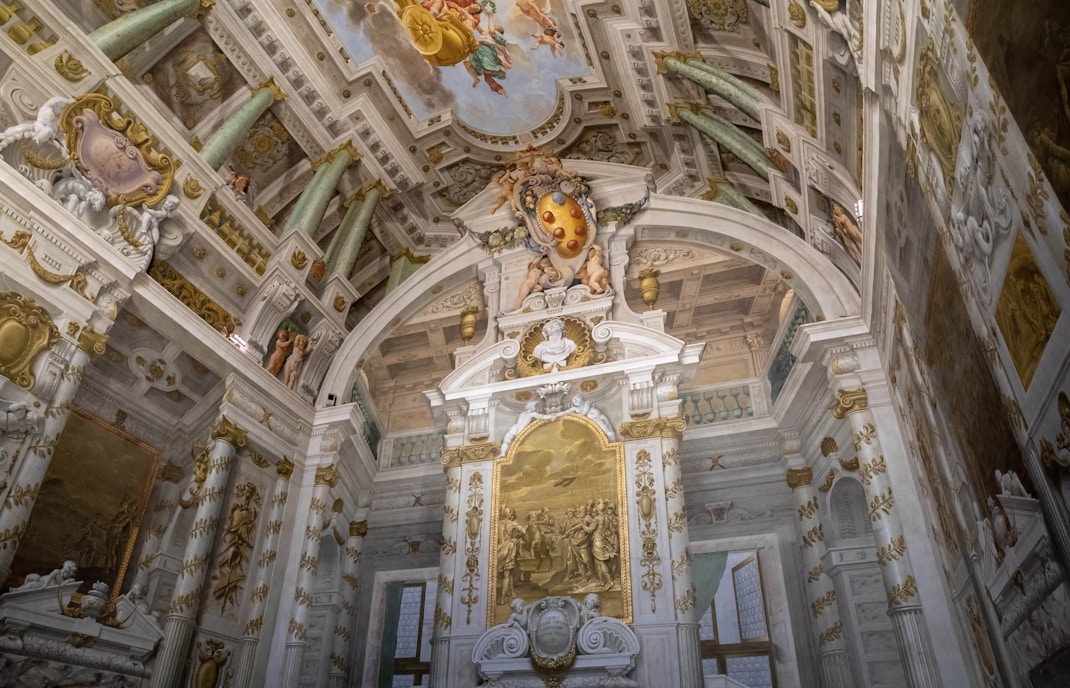
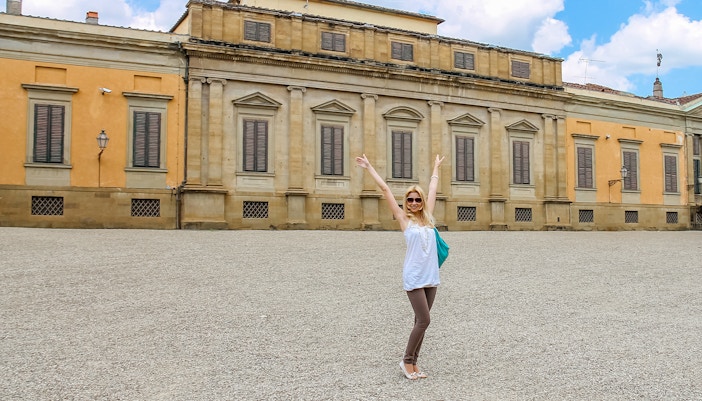
The Pitti Palace showcases a blend of Renaissance, late Mannerist, and Baroque influences in its interior design. Its exterior features colossal stories, "Florentine arches," and rusticated blocks symbolizing wealth. Over time, the palace was adorned with lavish frescoes, stucco work, and intricate details by artists from diverse regions. This embellishment includes elements of Rococo and Neo-classical styles, enhancing the palace's architectural richness and creating spatial illusionism within its grand rooms.

A closer look into Palazzo Pitti interiors

Who designed Palazzo Pitti?

who designed pitti palace

The architect of Palazzo Pitti is not definitively known, but there are several theories. While some suggest Luca Fancelli, influenced by Alberti, others attribute it to Filippo Brunelleschi's collaborator. Despite lacking concrete evidence, these candidates, particularly Luca Fancelli, stand out as potential creators of the iconic palace.

Palazzo Pitti today

Today, the Palazzo Pitti is a vibrant cultural center and one of the city's top tourist attractions. The palace complex houses several museums, including the Palatine Gallery, the Royal Apartments, the Museum of Fashion and Costume, the Museum of Modern Art, and the Silver Museum.

The Palatine Gallery showcases a collection of paintings from the Renaissance period, including works by renowned artists such as Raphael, Titian, and Rubens. The Royal Apartments, once the residence of the Grand Duke of Tuscany, feature exquisite furnishings, ornate decorations, and stunning ceiling frescoes. The Boboli Gardens, which cover over 100 acres, is a beautiful green space and a popular destination for visitors. It's beautiful architecture and rich history make it a must-see destination for anyone visiting Florence.

Plan your visit to Pitti Palace

Frequently asked questions about Palazzo Pitti history

The construction of the Palazzo Pitti in Florence, Italy began in 1458 for Luca Pitti and was completed in 1465. The palace was later purchased by the powerful Medici family, who expanded and enhanced the building over the years. So, the Palazzo Pitti is over 550 years old.

More reads

Skip-the-line tickets

Skip-the-line tickets

Guided tours

Guided tours

Directions

Directions