Quick Information

RECOMMENDED DURATION

2 hours

VISITORS PER YEAR

4500000

NUMBER OF ENTRANCES

4

EXPECTED WAIT TIME - STANDARD

0-30 mins (Peak), 1-2 hours (Off Peak)

Did you know?

The Boboli Gardens’ design became a model for royal gardens across Europe, inspiring places like Versailles.

The palace houses the world’s largest collection of paintings displayed in their original aristocratic setting, not a modern museum layout.

The Buontalenti Grotto is one of the earliest artificial grottos in garden history, featuring Mannerist sculptures and faux stalactites.

Why is the Pitti Palace a must-visit attraction?

Pitti Palace and Boboli Gardens offer a seamless journey through art, history, and nature, making them a must-visit in Florence. Once the residence of the powerful Medici family, the palace houses opulent rooms, stunning galleries, and masterpieces by Renaissance and Baroque artists. Walking through its halls, you’ll encounter grand architecture, lavish interiors, and centuries of Italian art and culture.

Step outside into the Boboli Gardens, a vast green oasis of fountains, sculptures, and hidden corners. Stroll along tree-lined avenues and terraces that offer panoramic views of Florence, discovering serene spots where art and nature meet. Together, the palace and gardens provide a unique combination of urban elegance and outdoor beauty—perfect for history enthusiasts, art lovers, and anyone looking to experience the grandeur of Florence in one immersive visit.

What to see at Pitti Palace

Palatine Gallery

Housed in the palace’s left wing, the Palatine Gallery showcases over 500 Renaissance masterpieces from the Medici family’s private collection. Highlights include works by Titian, Rubens, Raphael, Pietro da Cortona, and Correggio, offering a vivid glimpse into Renaissance art and Medici taste.

More about Palace's biggest gallery

Imperial and Royal Apartments

Step into 14 lavish rooms where the Medici once lived. Furnished with period antiques, four-poster beds, and stunning collectibles, the apartments also feature portraits by Giusto Sustermans, reflecting centuries of royal life and elegance.

Treasury of the Grand Dukes

Originally the Medici’s summer apartments, this museum displays the family’s treasures, including semi-precious stone vases, ivories, ambers, and rock crystals. A section is dedicated to historic and contemporary jewelry from the 17th to 19th centuries.

Gallery of Modern Art

Founded in 1748, this gallery presents 19th- and 20th-century Italian art, with standout works by Giovanni Fattori and other Macchiaioli artists. Landscapes and sculptures here capture the evolution of modern Italian artistry.

Museum of Costume and Fashion

Located in the Palazzina della Meridiana, next to Pitti Palace’s southern wing, the museum showcases Tuscany’s sartorial history with period costumes, fashion exhibits, and a unique astronomical instrument by Vincenzo Viviani.

Pitti Palace highlights

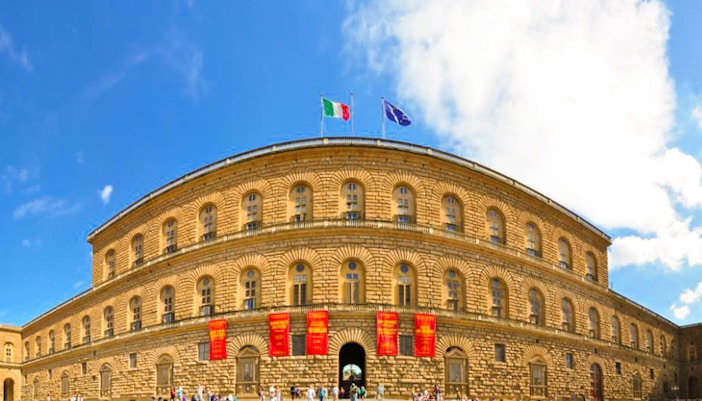
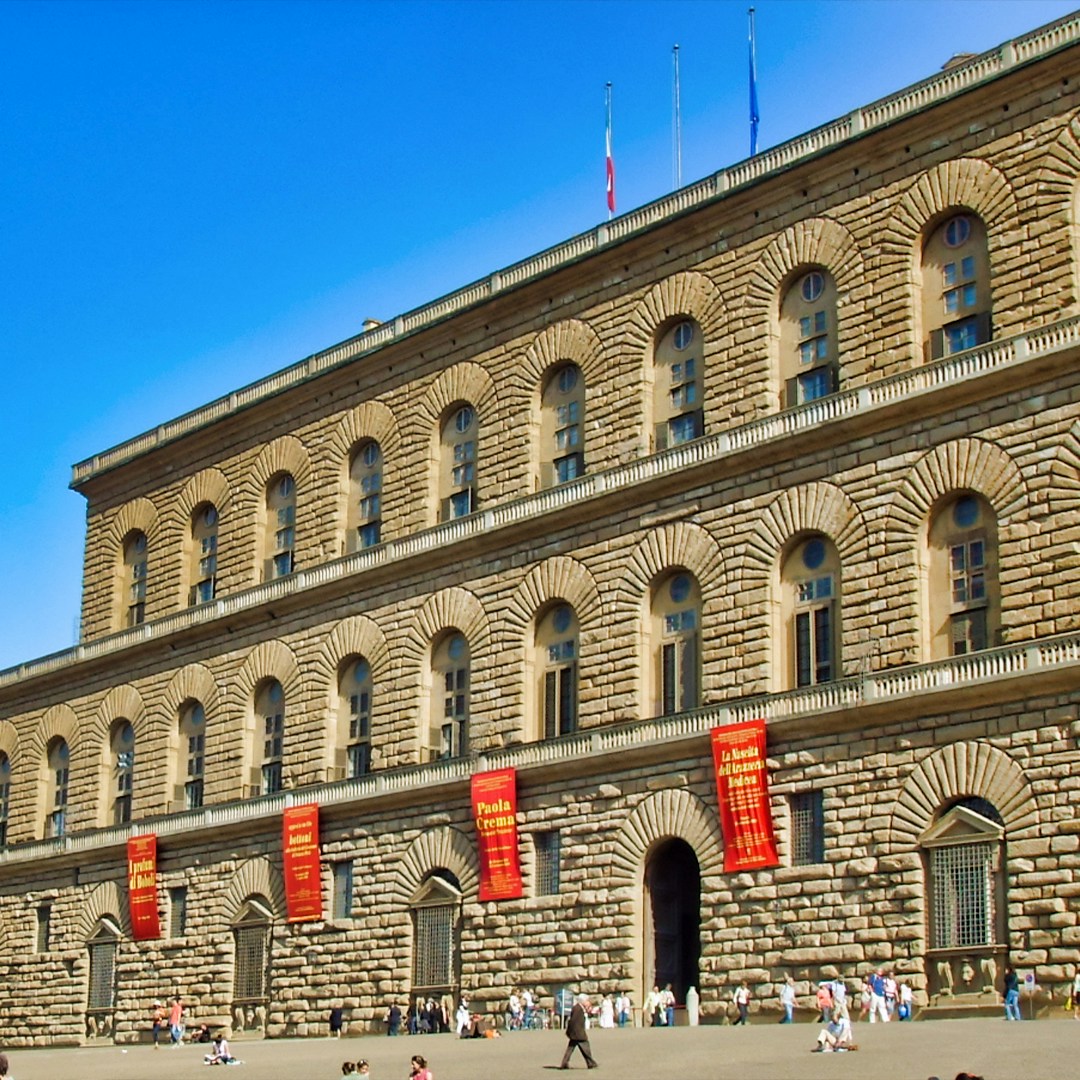
Pitti Palace facade with visitors, Florence, Italy.

Palace facade

Admire the imposing Renaissance exterior with its elegant symmetry and stonework.

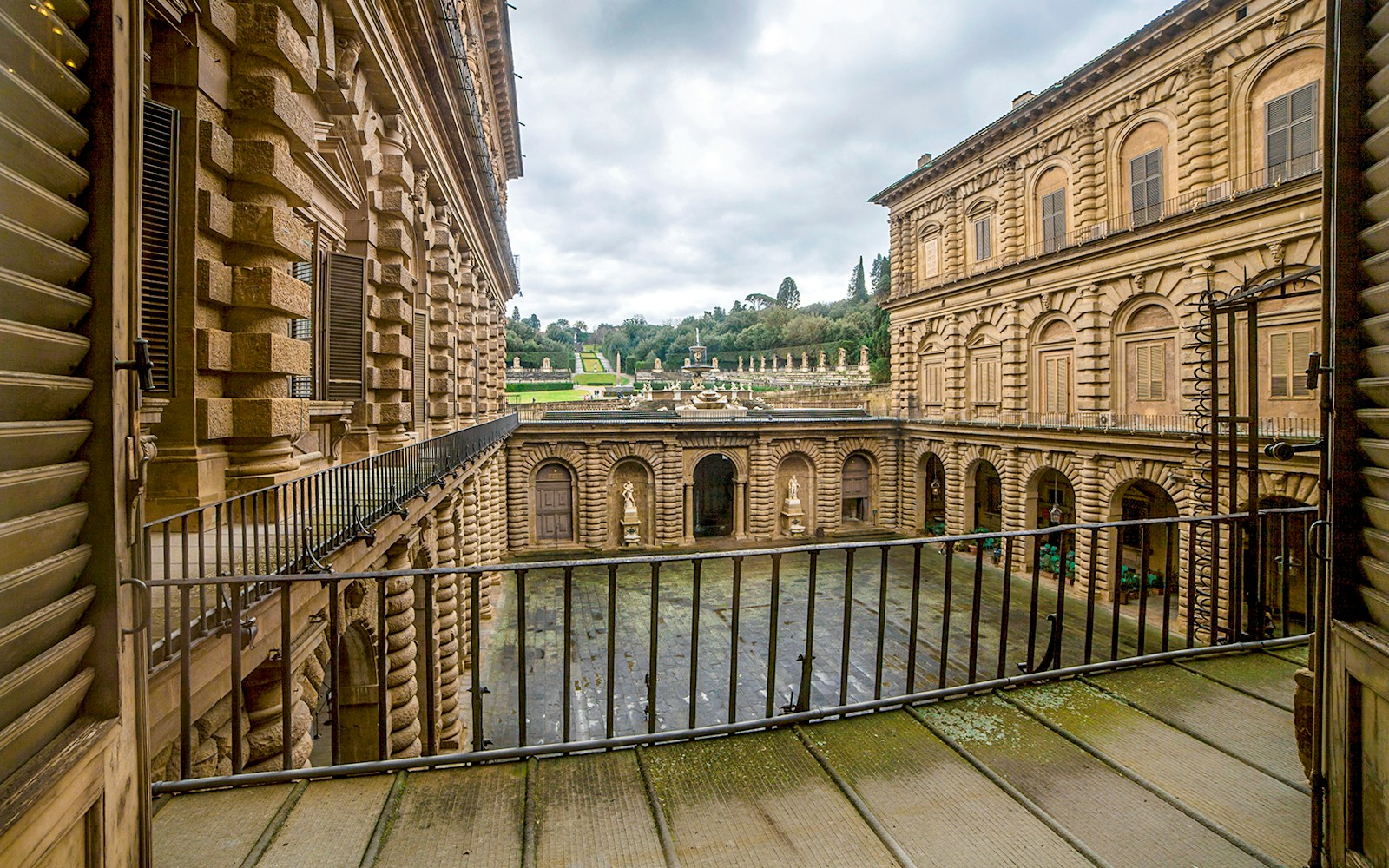
Pitti Palace courtyard view with Naumachia, Florence, Italy.
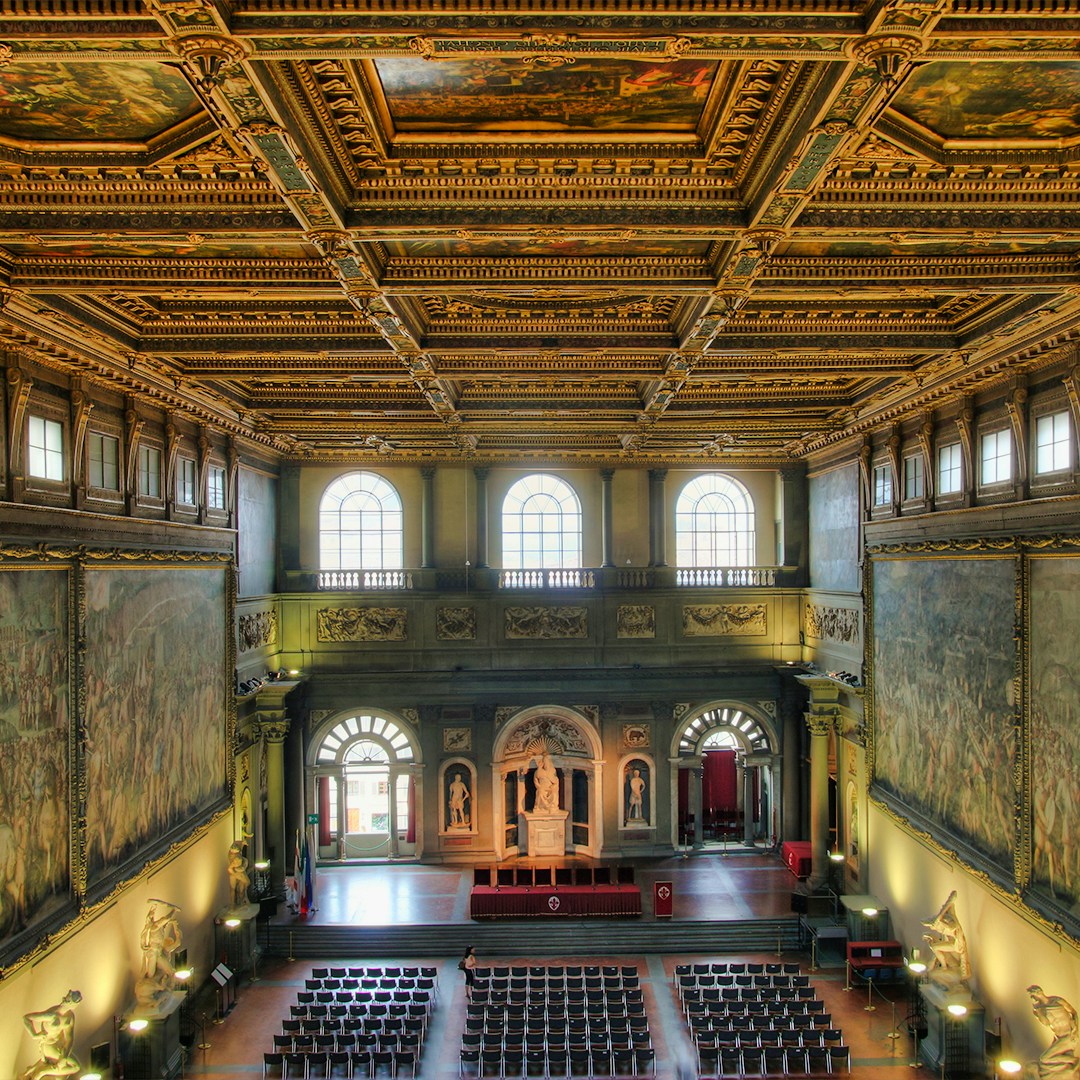
Interior of Florence's Palazzo Vecchio with ornate ceiling and large frescoes.
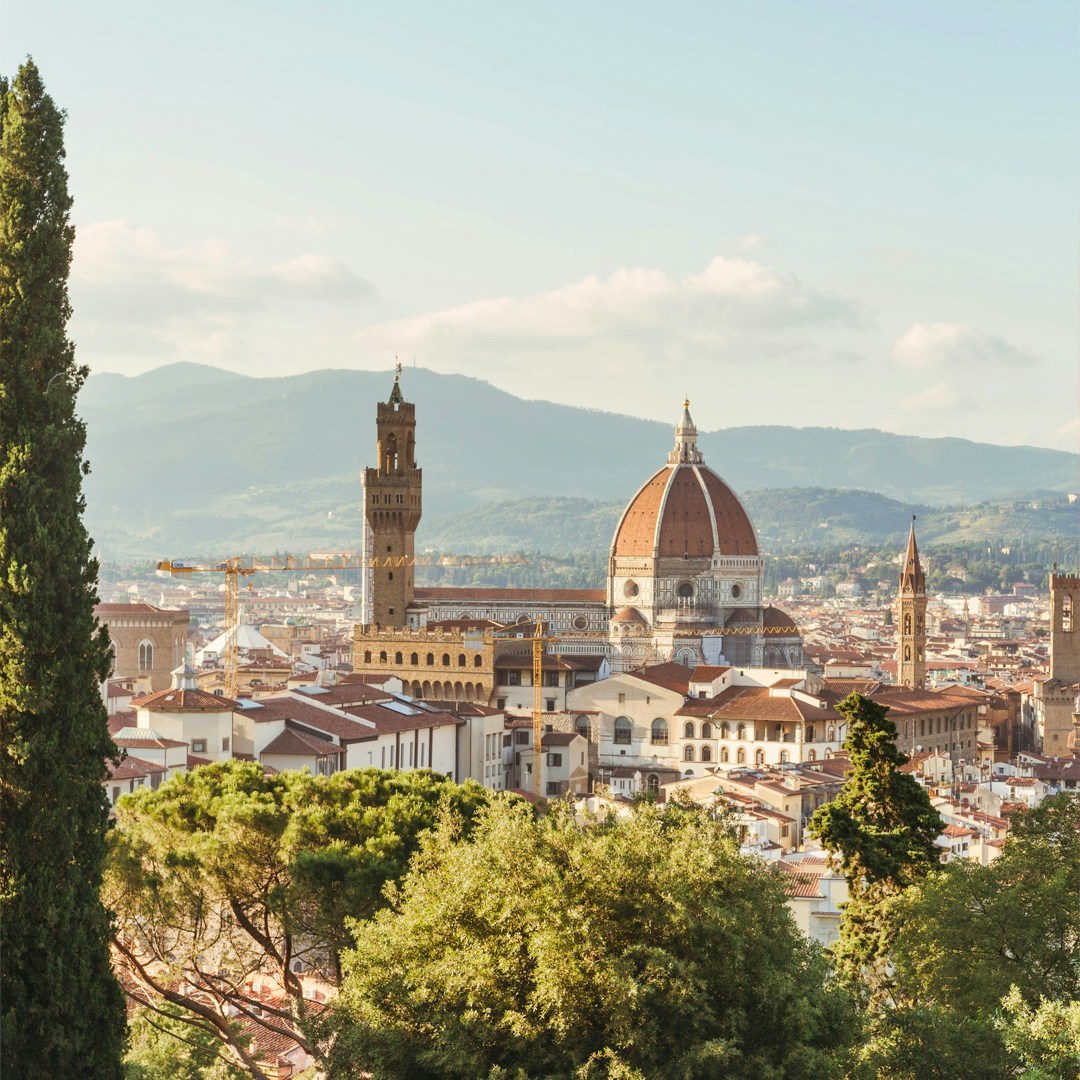
Florence skyline with Cathedral of Santa Maria del Fiore, view from Boboli Gardens.
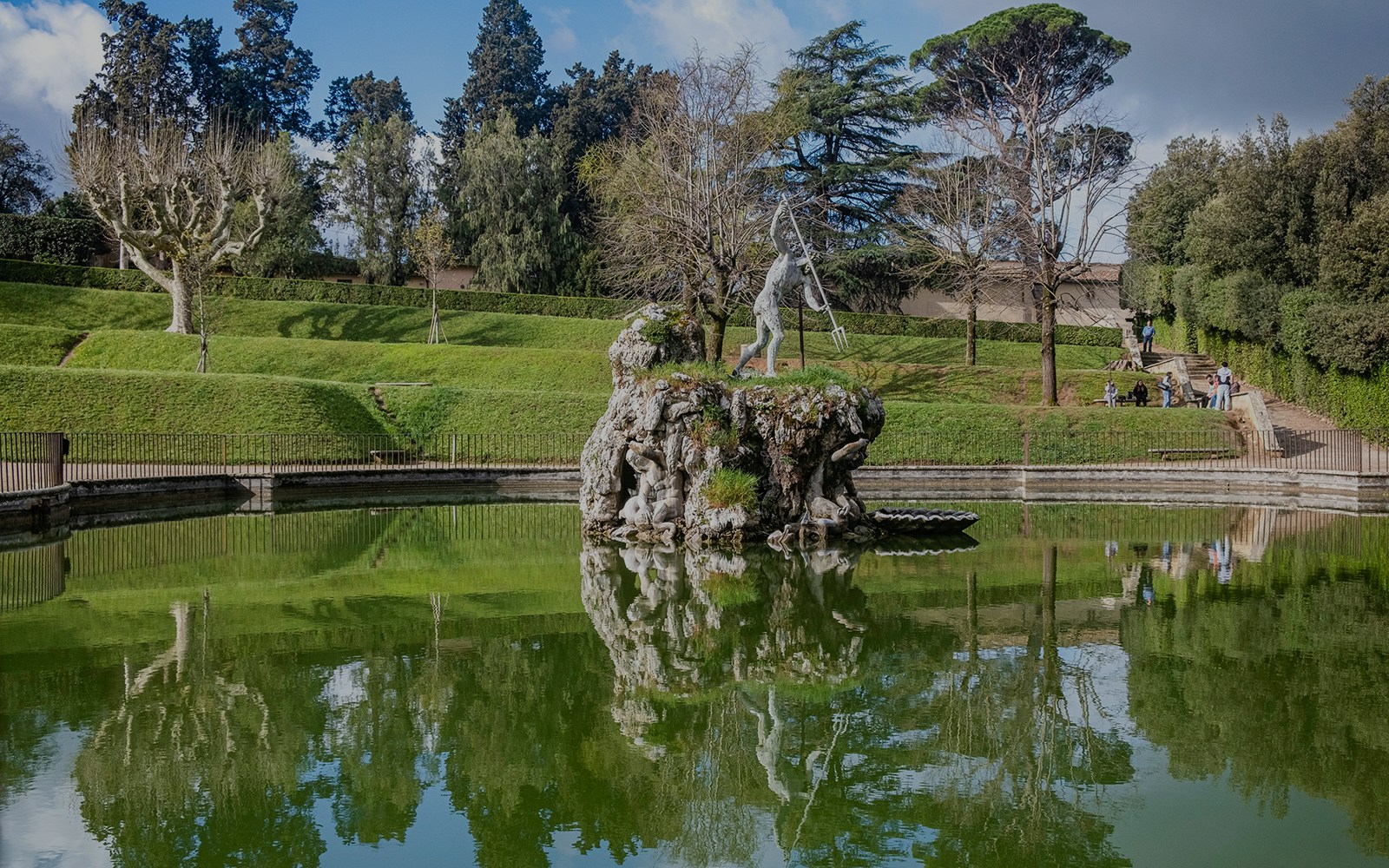
Sculpture in Boboli Gardens, Florence, reflected in a pond with surrounding greenery.

A brief history of Pitti Palace

  • 15th century: Construction begins on the palace around 1458, commissioned by the wealthy Florentine banker Luca Pitti as a statement of power and prestige.
  • 16th century: The palace is purchased by the Medici family in 1549, becoming the main residence of Florence’s ruling dynasty. Expansions and renovations add grand halls, courtyards, and the famous Boboli Gardens.
  • 17th–18th century: Successive Medici rulers continue to enlarge the palace, commissioning new wings, galleries, and decorative works, solidifying its status as a center of art and culture.
  • 19th century: Under Lorraine rule and later the Kingdom of Italy, the palace is opened to the public as a museum, with the Royal Apartments preserved and new collections displayed.
  • 20th century–present: Pitti Palace evolves into a major cultural complex, housing multiple museums and galleries. Extensive restoration and conservation efforts ensure the preservation of its architecture, artworks, and gardens for future generations.

Explore the detailed history of Pitti Palace

Who built the Pitti Palace?

The Pitti Palace was commissioned in 1458 by Luca Pitti, a wealthy Florentine banker, as a bold statement of influence and status. After being acquired by the Medici family in 1549, the palace became their main residence. Architects such as Bartolomeo Ammannati oversaw major expansions, adding grand halls, courtyards, and the adjoining Boboli Gardens. The palace stands as a prime example of Renaissance architecture, blending scale, elegance, and artistic detail.

Architecture of the Pitti Palace

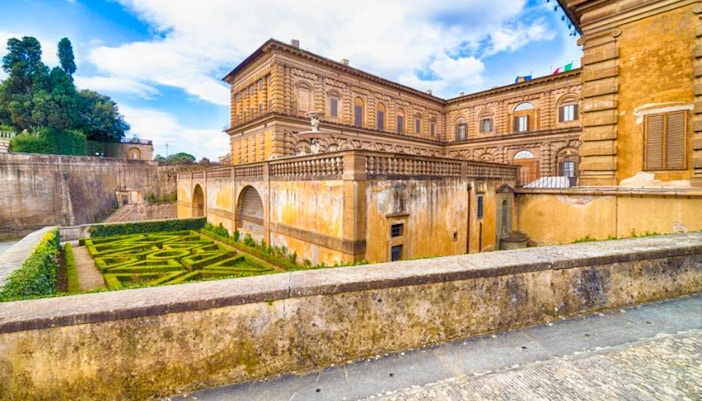
Constructed primarily from robust stone with a symmetrical Renaissance façade, Pitti Palace features expansive courtyards, ornate ceilings, and spacious halls. Inside, visitors can explore lavish apartments, decorated galleries, and intricate interiors, while the Boboli Gardens behind the palace extend its grandeur with terraces, fountains, sculptures, and panoramic views of Florence. The design reflects the power of the Medici family and the artistry of Renaissance Florence.

Explore more about the palace interiors

Frequently asked questions Palazzo Pitti

The Pitti Palace is significant for its historical importance as the former residence of the Medici family and later the ruling families of Tuscany. It is renowned for its stunning architecture, rich art collections, and beautiful gardens, making it a symbol of Florence's cultural heritage.

More reads

Skip-the-line tickets

Guided tours

Timings