


Pitti Palace and Boboli Gardens tickets

Headout is an authorized and trusted partner of the venue, offering curated experiences to enjoy this attraction. This is not the venue's website.

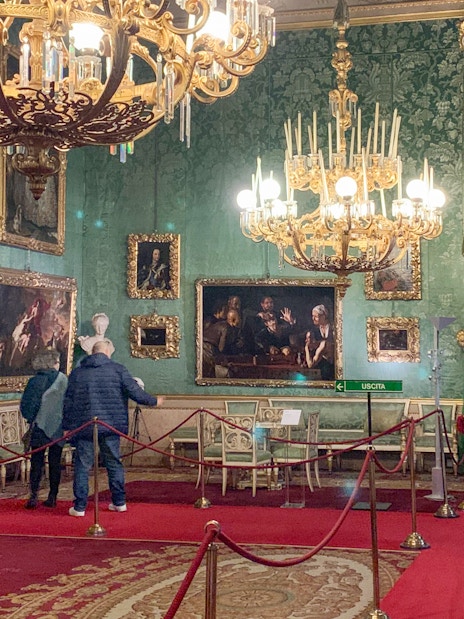
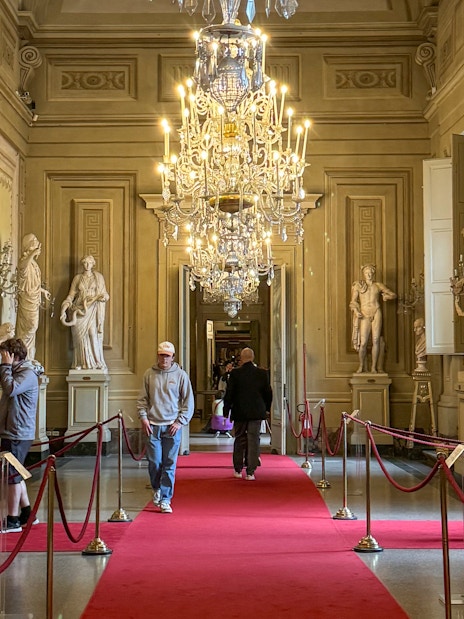
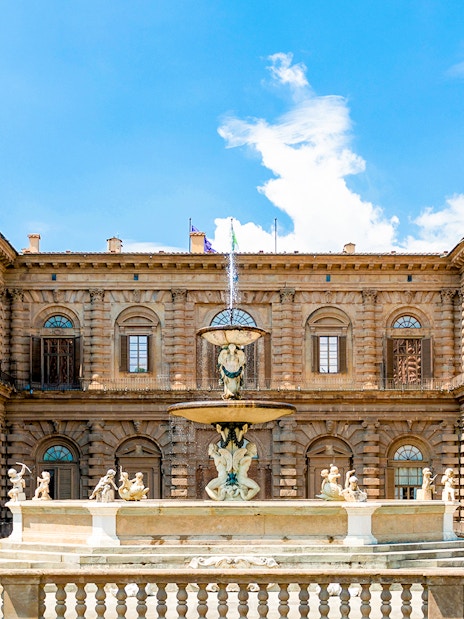
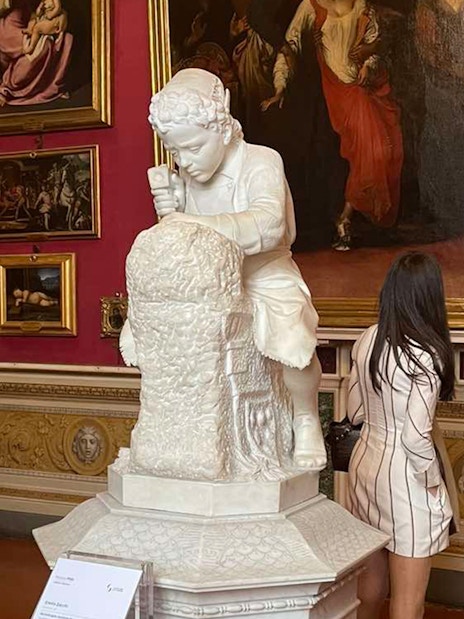
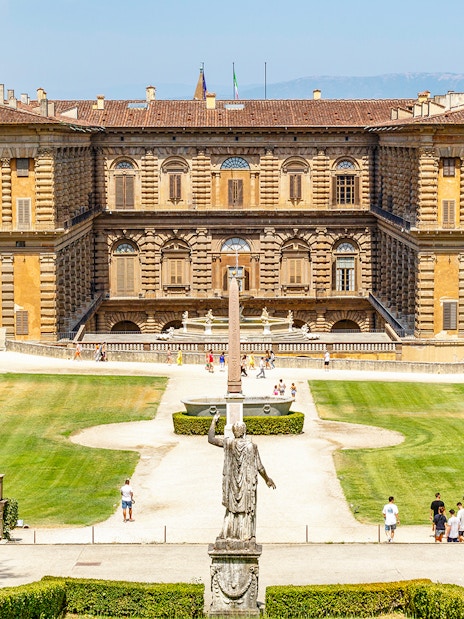
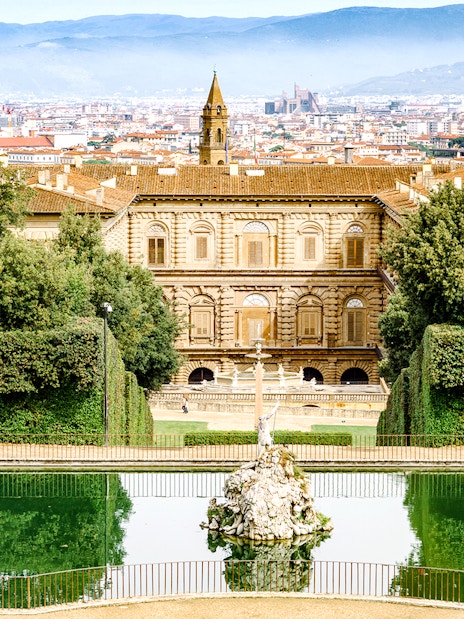
Pitti Palace and Boboli gardens in Florence


Top things to do in Florence

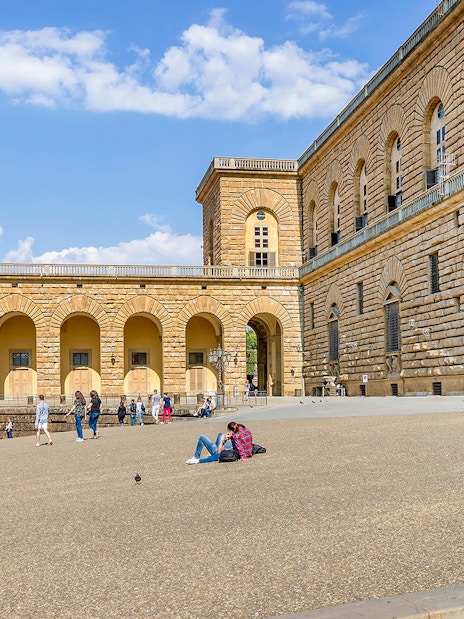
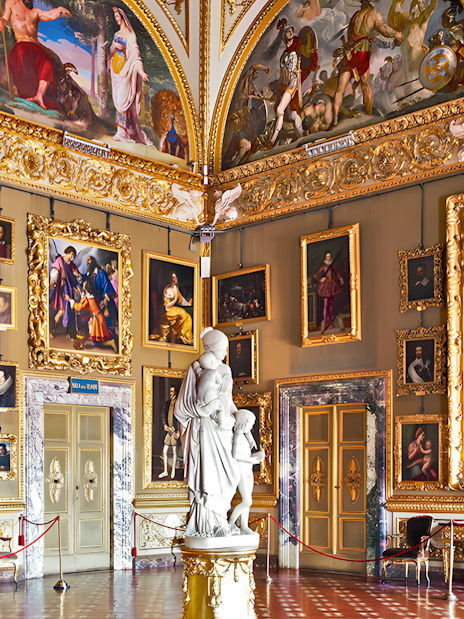
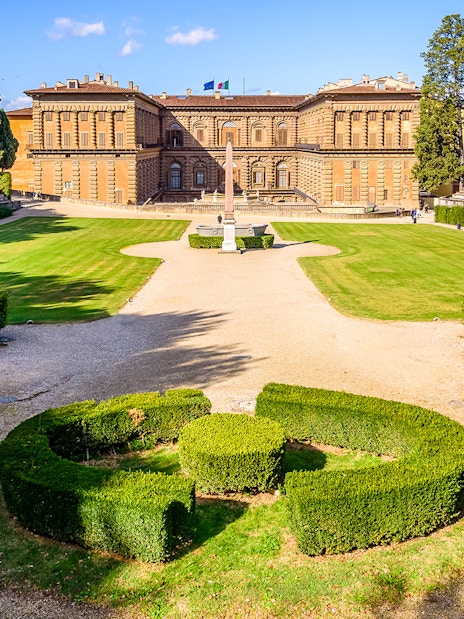
Pitti Palace & its lavish backyard - The Boboli Gardens

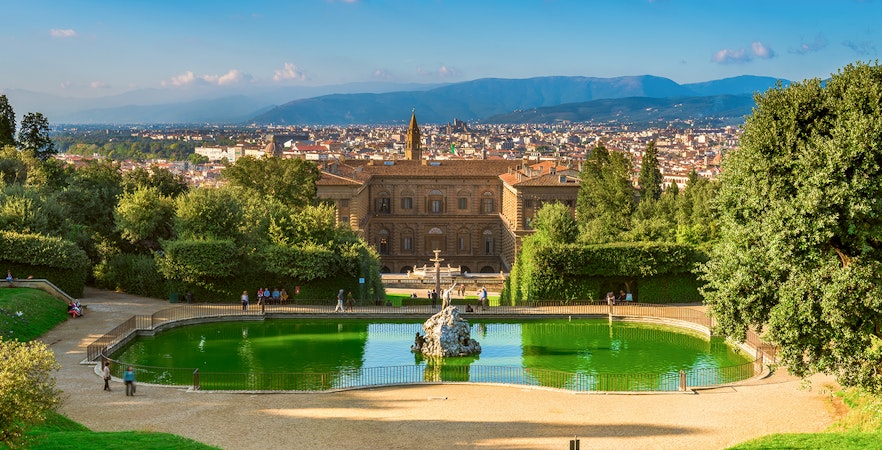
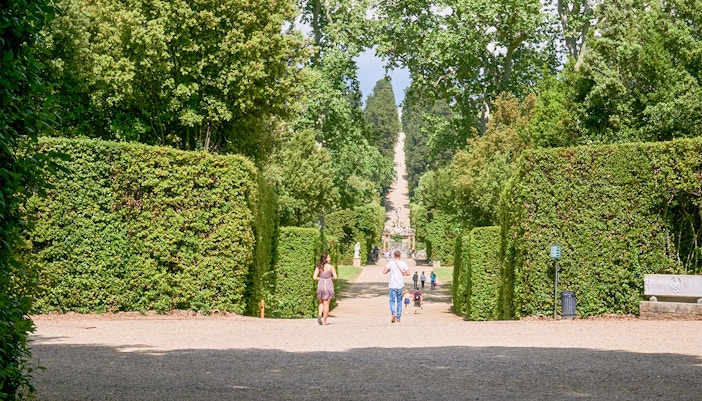
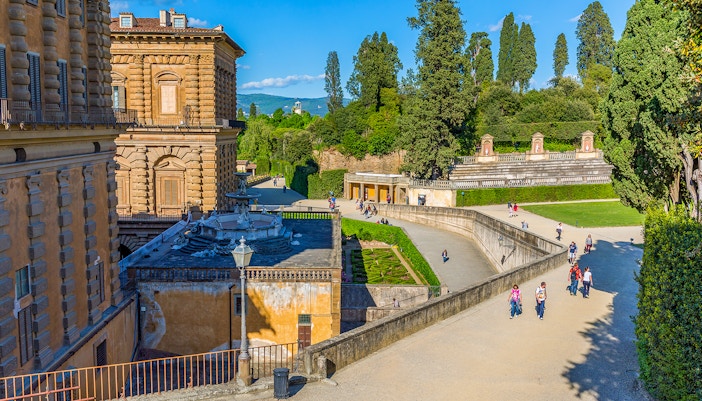
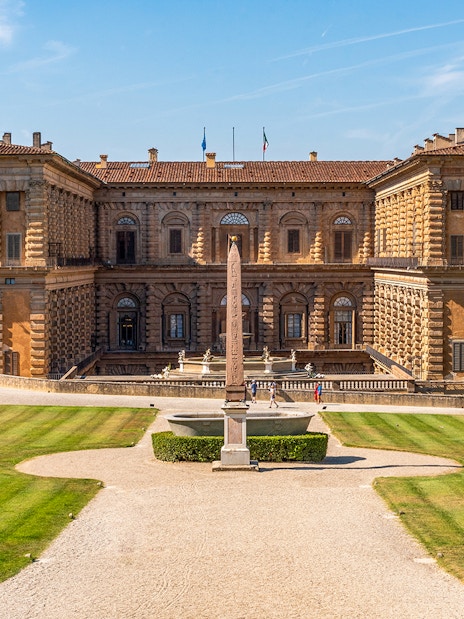
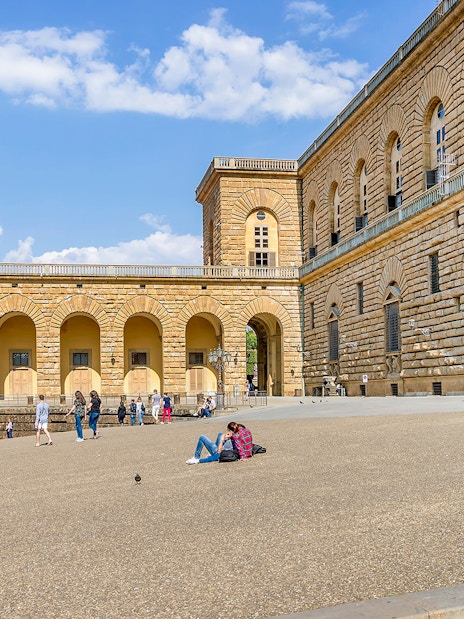
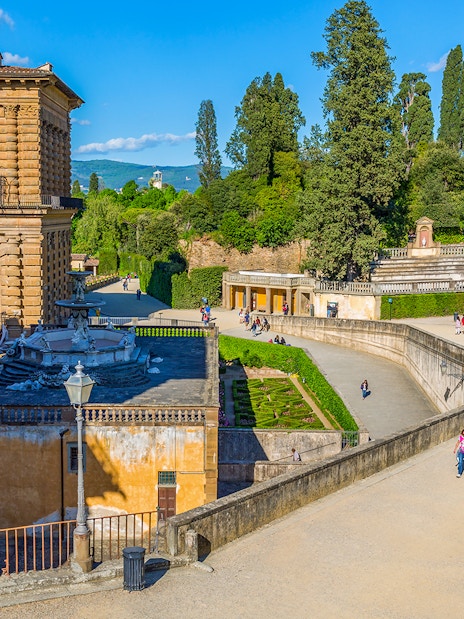
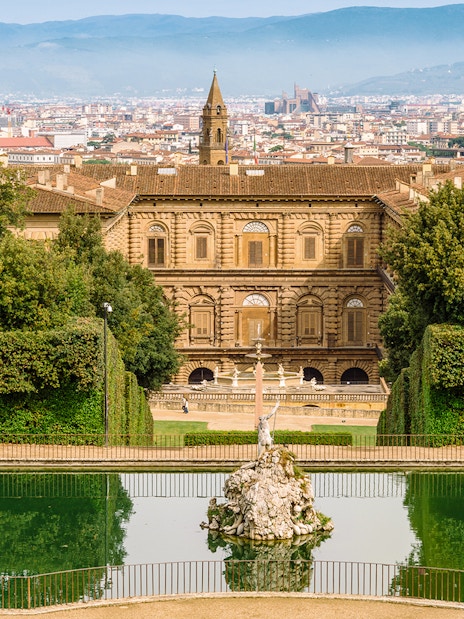
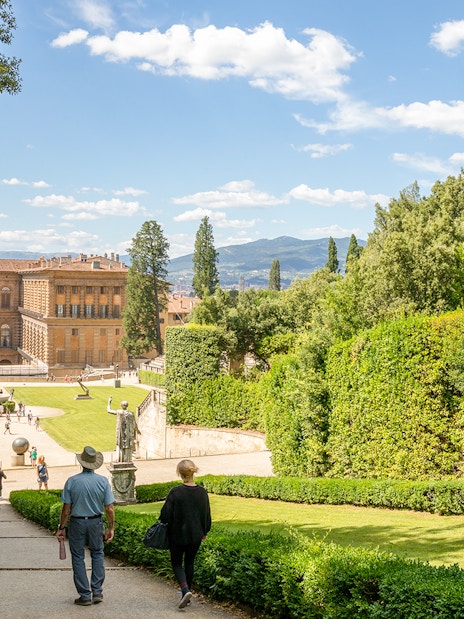
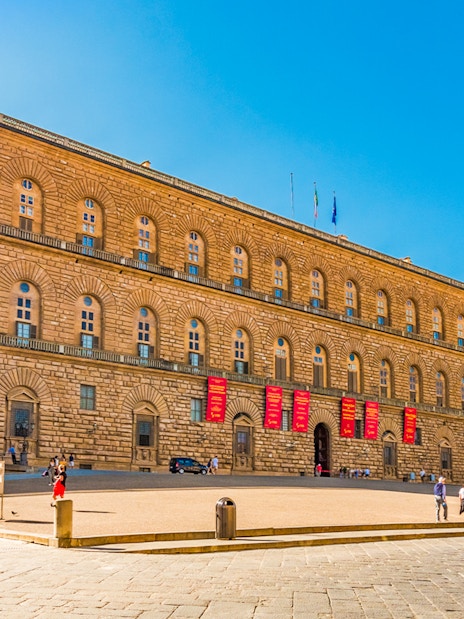
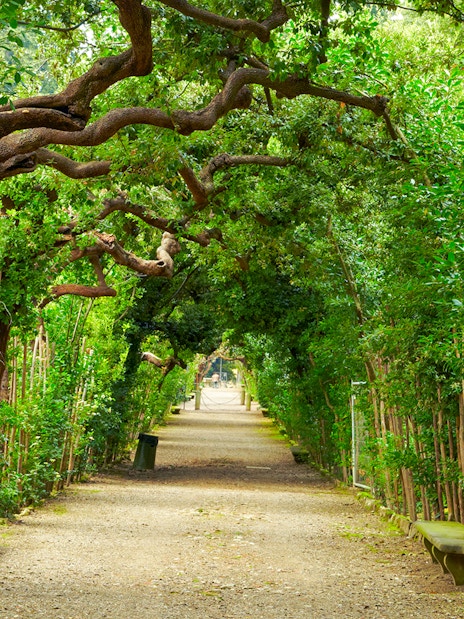
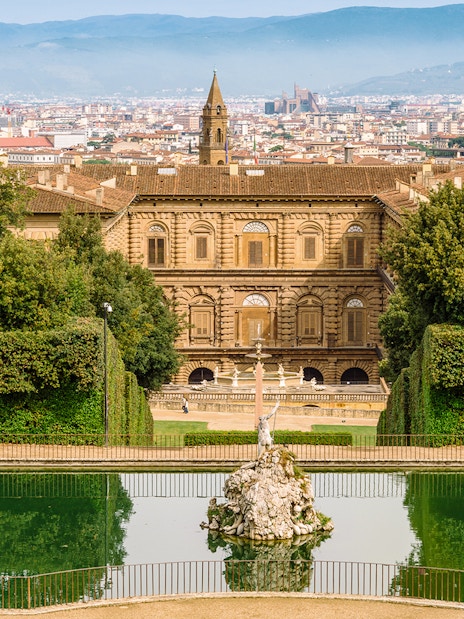
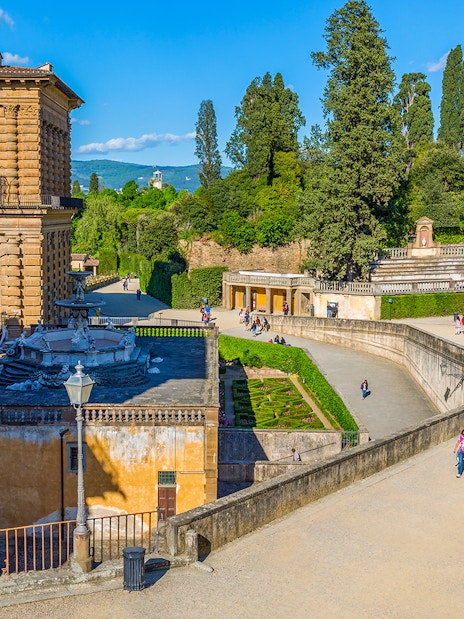
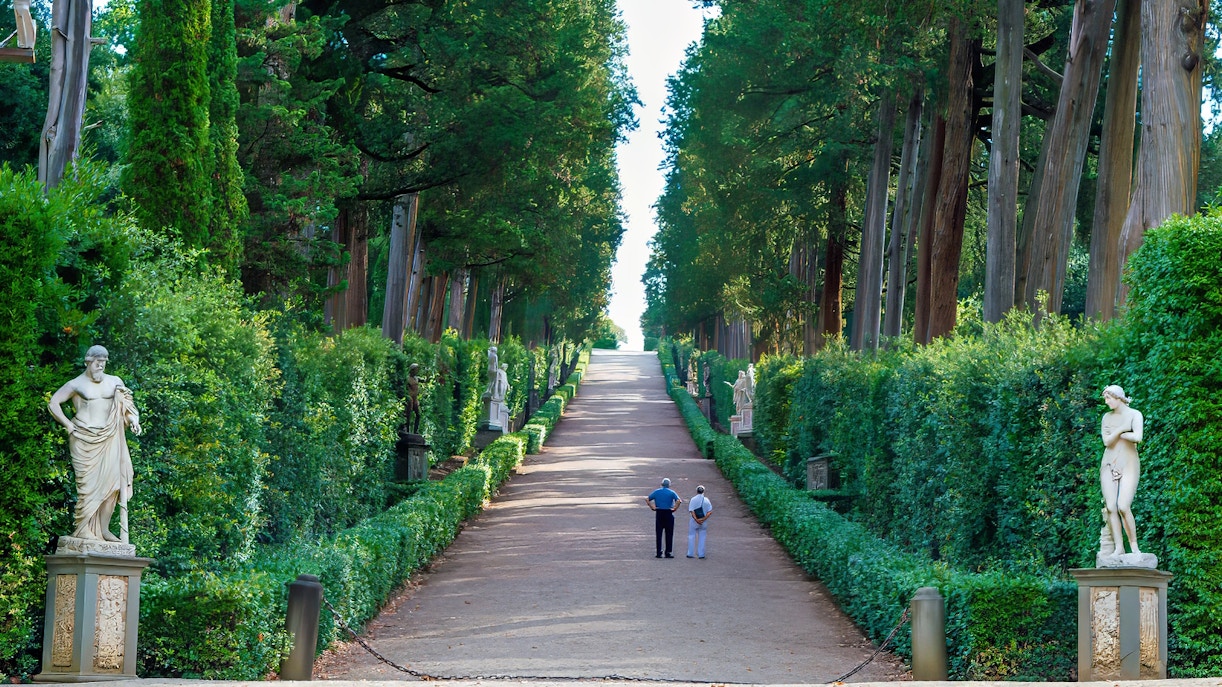
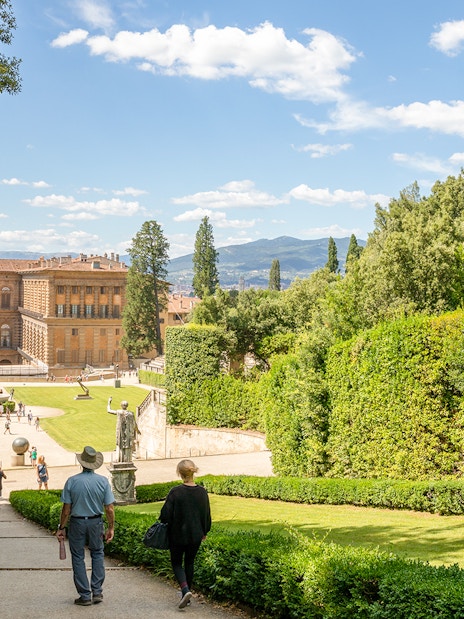
The Boboli Gardens and Pitti Palace in Florence, Italy, share a fascinating history that dates back to the 16th century, reflecting the Medici family's significant influence. The Medici family, known for their refined taste, saw the Boboli Gardens as an extension to the Pitti Palace. As a masterpiece of Renaissance art, the Boboli Gardens boast beautiful sculptures, panoramic charming fountains, and well-kept lawns, creating a serene ambiance that contrasts with the grandeur of the palace. The connection between the Pitti Palace and the Boboli Gardens showcases the Medici family's deep appreciation for art and beauty, aligning with the Renaissance principles of harmony, nature, and creativity.
Book Boboli Gardens tickets

Boboli Gardens | Quick facts

Boboli Gardens in Florence
  • Location: Behind the Pitti Palace, extending to modern Fort Belvedere
  • Year opened: 1766
  • Founder: Eleonora di Toledo, the wife of Cosimo I de' Medici
  • Architect: Niccolò Triburgo
  • Size: 45,000 square meters (11 acres)
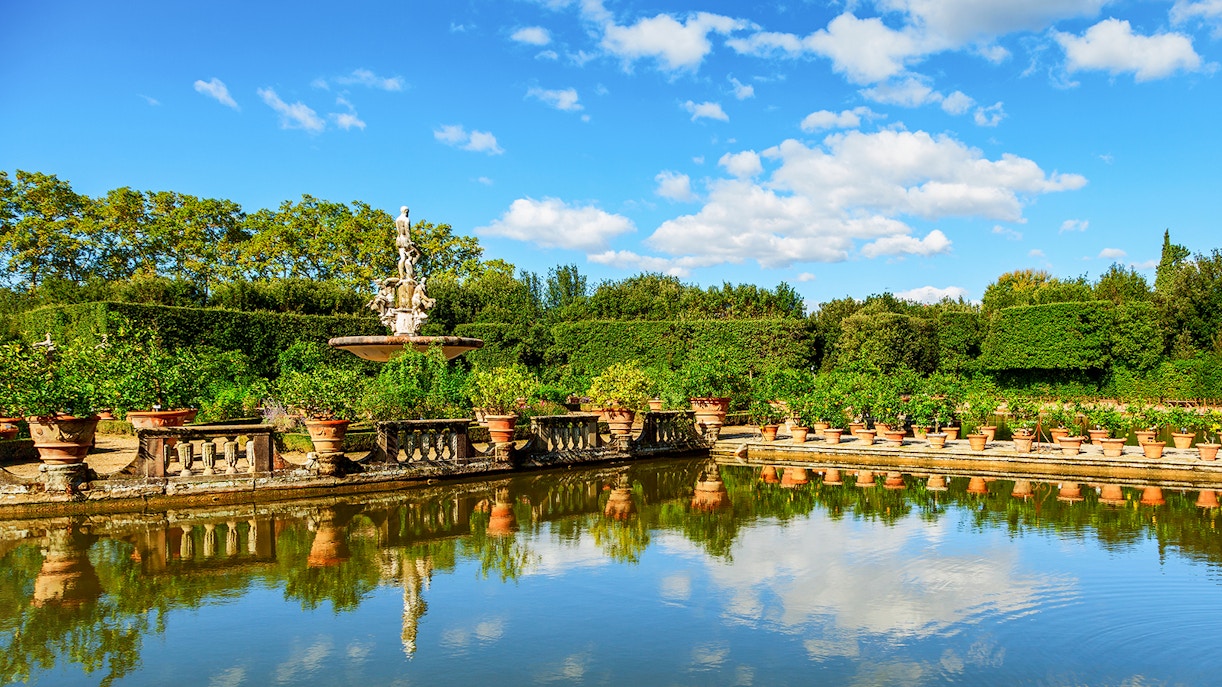
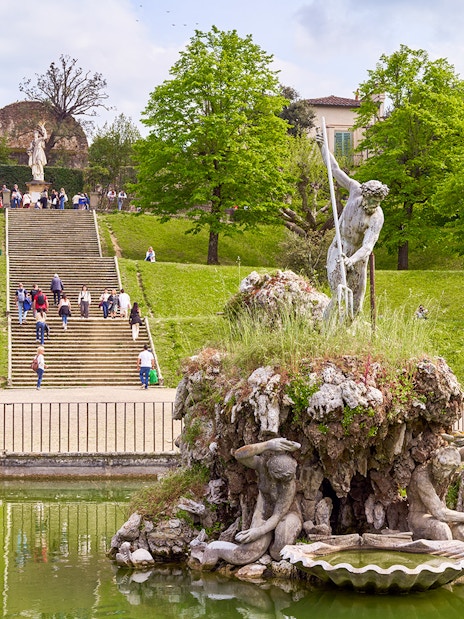
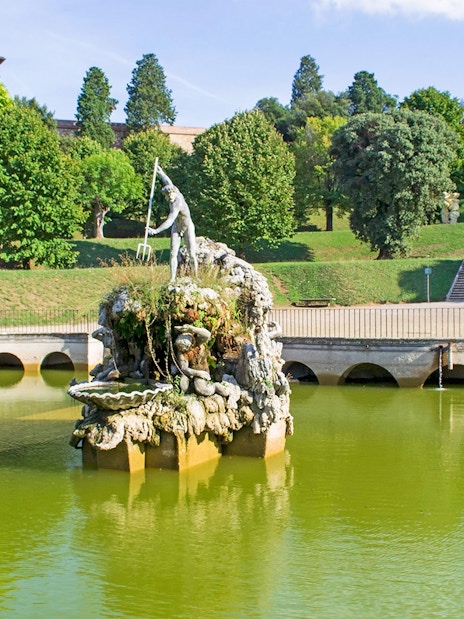
  • Notable features: Fountain of Neptune, Fountain of Ocean, Grotta Grande, Grotta di Vulcano, Viottolone, and elaborate waterworks drawing from the Arno River
  • Historical significance: Designed for the Medici family, the gardens are a masterpiece of Italian landscape design and showcase Renaissance art and architecture
  • Current use: Open to the public as a historical park and tourist attraction
More interesting Boboli Gardens facts

Why visit Pitti Palace and Boboli Gardens together?

Placeholder Image Headout Blimp
1/6

Re-live the Renaissance luxury

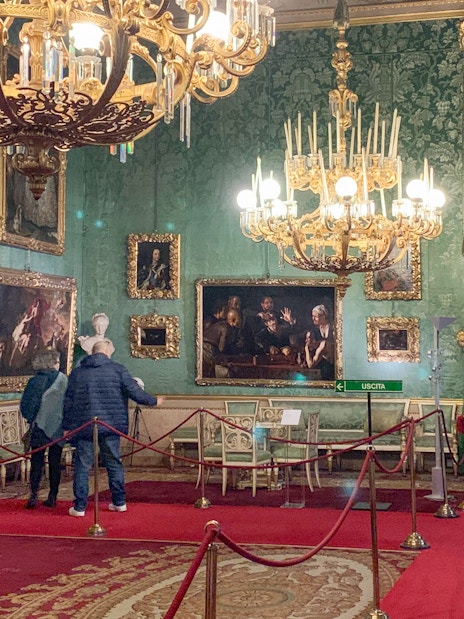
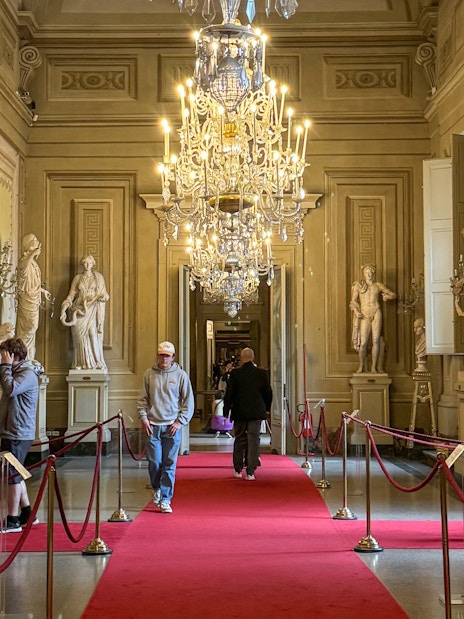
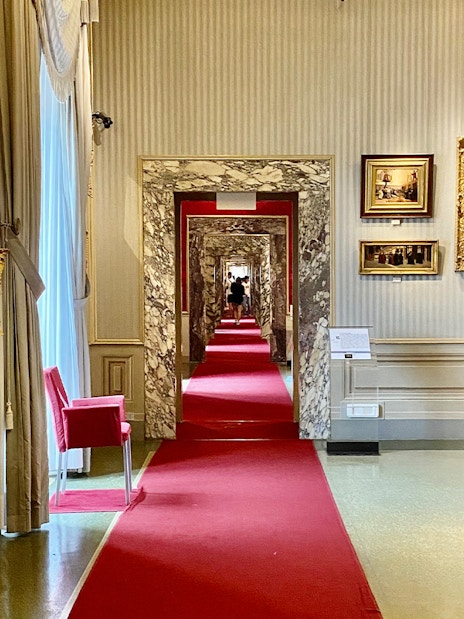
Stroll through grandest Florentine palace and meticulously landscaped gardens that were once the private retreat of the influential Medici family and later became the ducal house as well.

Panoramic views

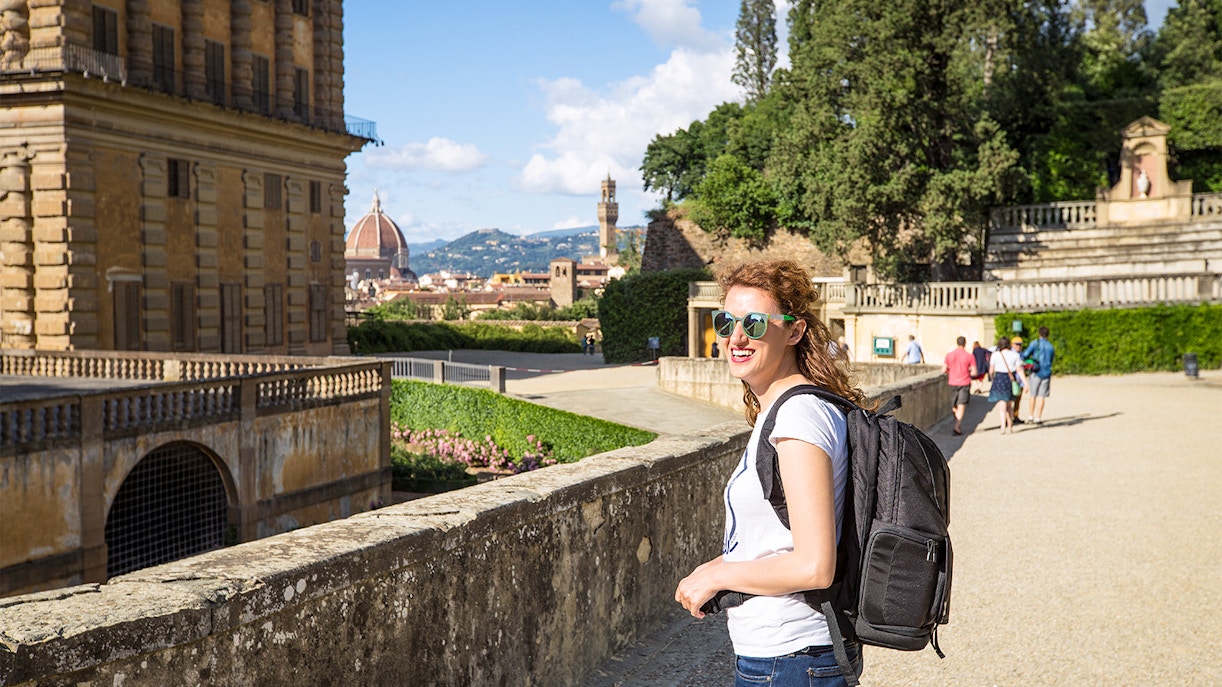
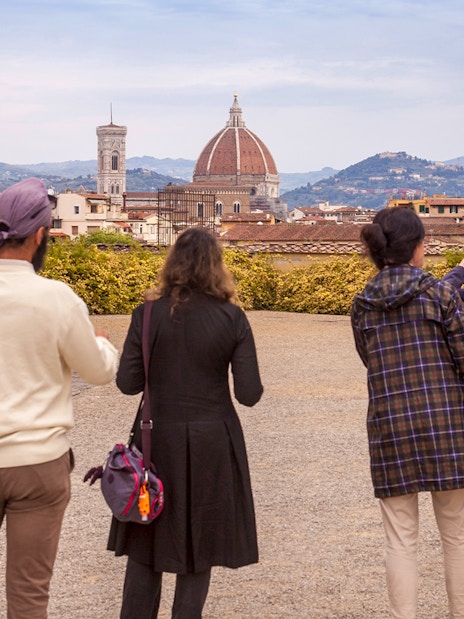
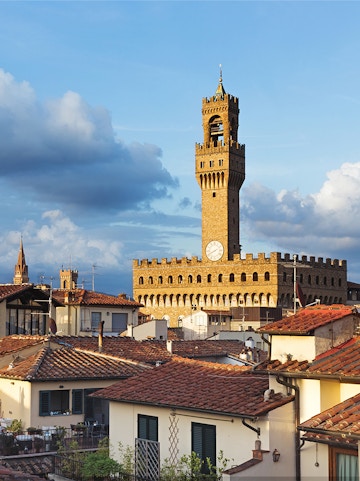
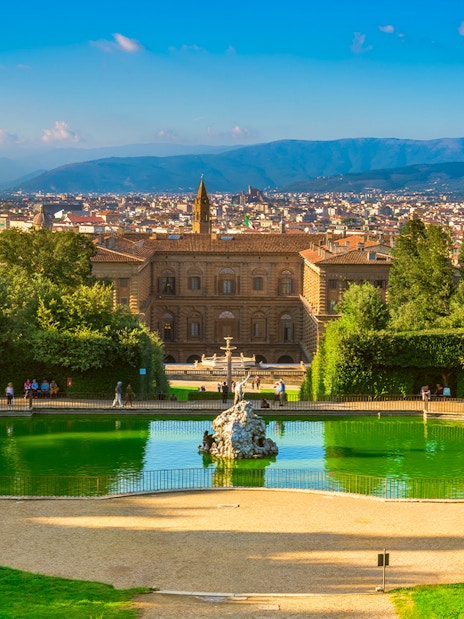
Delight in pretty panoramic views of Florence from elevated viewpoints within the gardens, especially from the Kaffeehaus terrace, offering a unique vantage point to admire the city's iconic skyline and the picturesque Tuscan landscape.
Beautiful all-year around

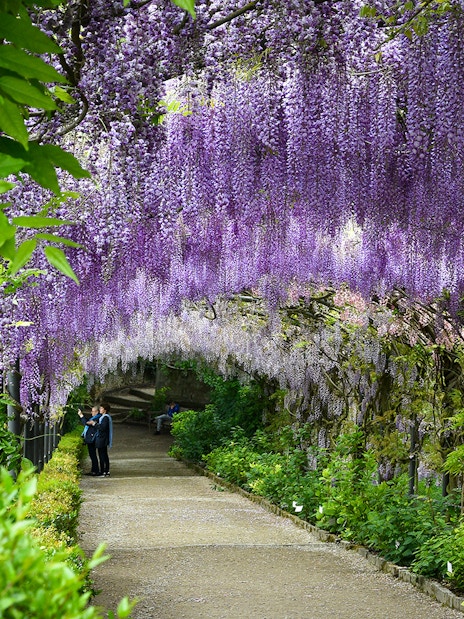
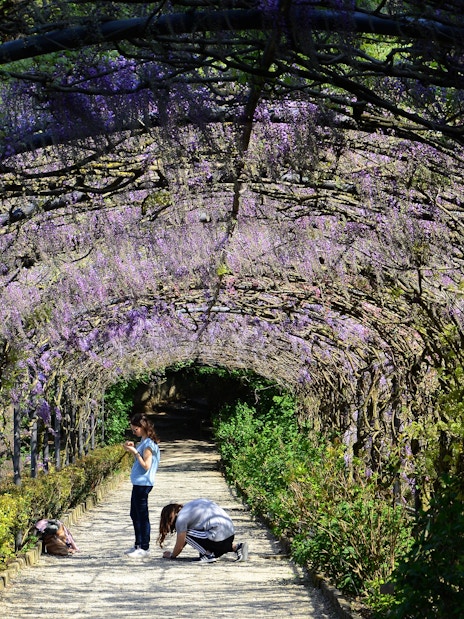
Experience the ever-changing beauty of Boboli Gardens throughout the year. Witness vibrant blooms in spring, lush greenery in summer, and golden hues in autumn, each season bringing its own unique charm. Spring, in particular, dazzles with a colorful array of flowers, including striking purple blooms near the Pegasus statue and the famous purple wisteria in the nearby Bardini Gardens.
Fun for all

Whether you are a solo traveler seeking hidden gems, a couple looking for a romantic escape, or a group planning a fun picnic, Boboli Gardens offers a captivating experience for all visitors, blending history, art, and natural beauty in a harmonious setting.

Sculptures

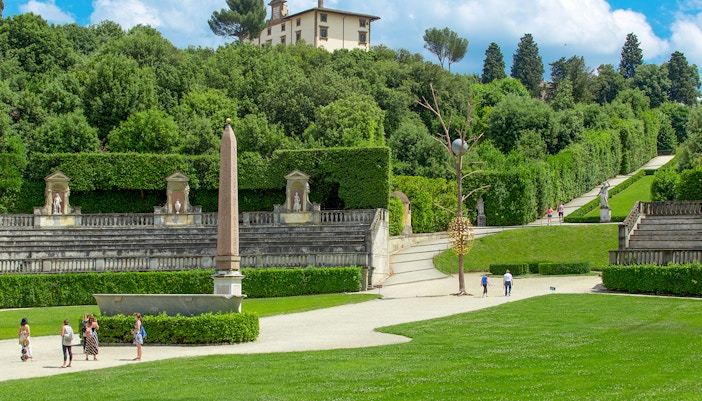
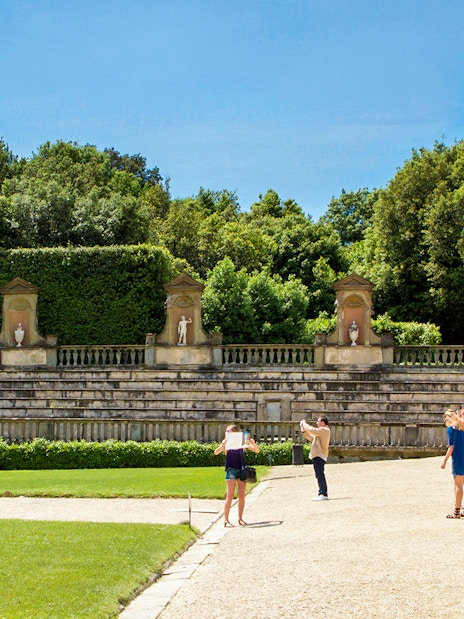
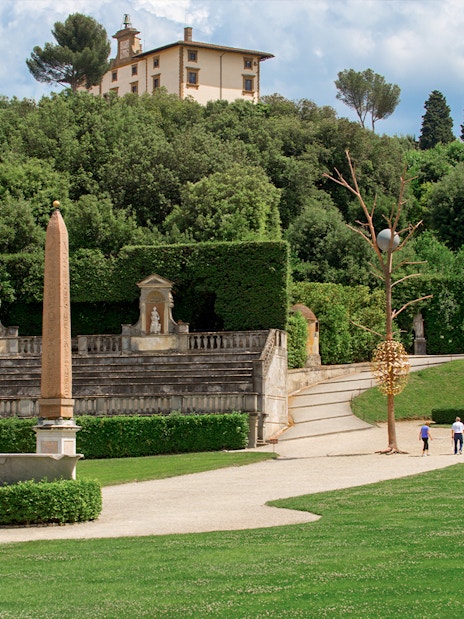
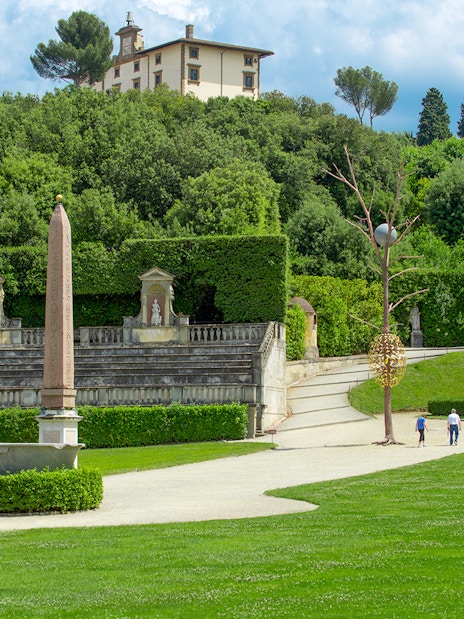
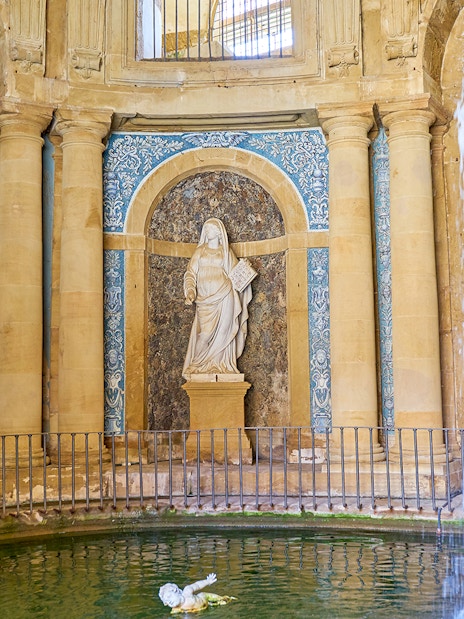
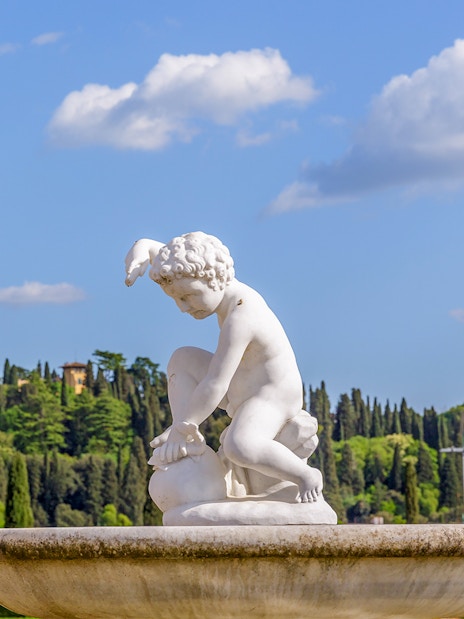
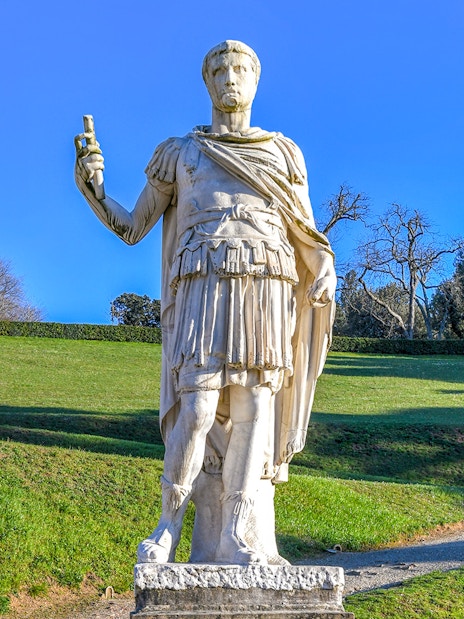
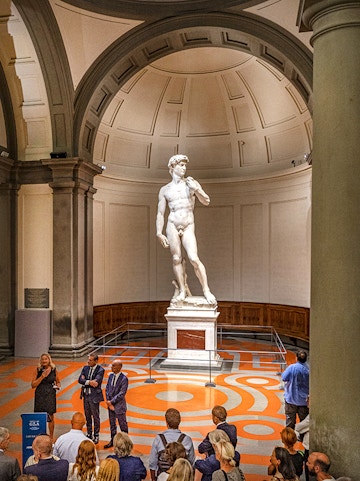
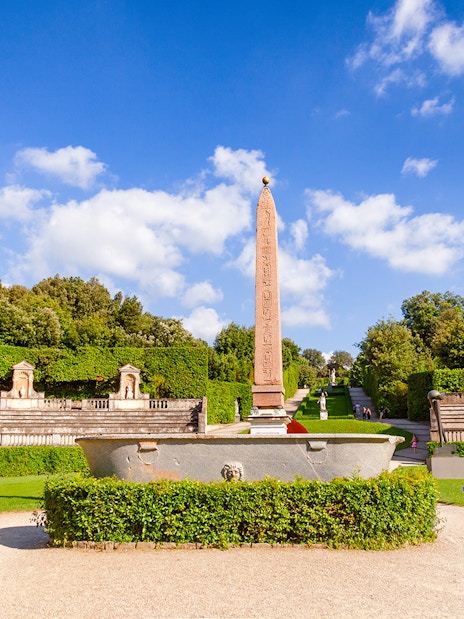
The gardens are home to a remarkable collection of sculptures, including masterpieces by Michelangelo. These sculptures are significant examples of Mannerism architecture and culture. The sculptures are spread throughout the garden, with notable examples in the Amphitheater, the Large Grotto, and the Egyptian Obelisk area.

Read more

Fountains

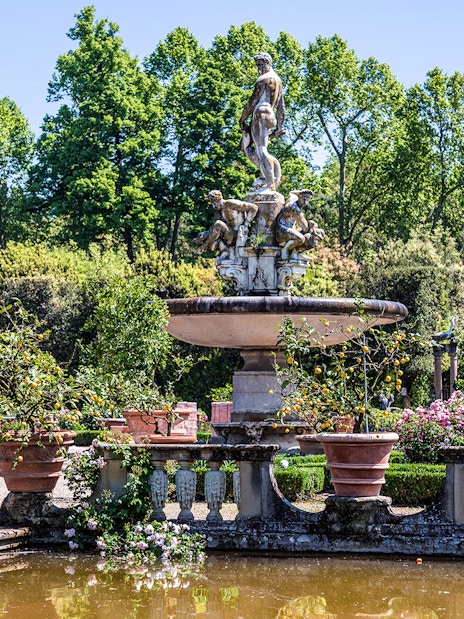
The fountains in the gardens are equally impressive, featuring intricate designs and artistic craftsmanship. The Fountain of the Ocean, created by Giambologna, is a notable example, showcasing the artist's mastery of the human form and his ability to create dynamic compositions. The fountain is now located in the Isolotto area, surrounded by other sculptures representing the rivers Nile, Gange, and Euphrates.

Read more

Plan your visit to Boboli Gardens

Boboli Gardens in Florence
  • Opening hours from Monday to Sunday: 8:15 am
  • Closing hours: January, February, November, December: 4:30 pm
    March and October (Standard time): 5:30 pm
    March (Daylight savings time), April, May, September, October (Daylight savings time): 6:30 pm
    June, July, August: 7:10 pm
  • Last entry: One hour before the closing time
  • Closing days: First and last Monday of each month, December 25
Boboli Gardens schedule

Address: Piazza de' Pitti, 1, 50125 Firenze FI, Italy

The gardens are within the Pitti Palace complex, particularly in the backyard of the palace. Here's how you can reach Boboli Gardens from any part of Florence:

  • By bus: 37, C3, C4
    Closest stop: Piazza Sauro, 650 m away
  • By tram: Take line T1
    Nearest stop: Unita, 1.2 km away
  • By train: Take line R
    Nearest stop: Santa Maria Novella, 1.5 km away
Best way to reach Boboli Gardens
Boboli Gardens in Florence
  • While you can explore both attractions in half a day, it's better to plan for a full day to fully appreciate the beauty and history of both places.
  • It's best to start your day with Pitti Palace, as it can get crowded later in the day. This way, you can also enjoy the Boboli Gardens in the afternoon when it's less crowded.
  • In addition to the main galleries, don't miss the smaller exhibits in Pitti Palace, such as the sculpture and jewelry exhibitions.
  • The Boboli Gardens cover a large area, and there are many stairs and hills, so wear comfortable shoes.
  • While there are cafes in the Pitti Palace, it's a good idea to bring water and snacks, especially if you're visiting in the summer months.
  • Boboli Gardens are hilly and have stairs, so plan accordingly. If you have reduced mobility, it's preferable to enter from Pitti Square or Porta Romana Square. However, considering that the soil is predominantly clay and gravel and the terrain is almost entirely sloping, with climbs and descents, it's recommended to have assistance. Please note that the Porcelain Museum is not accessible.
Plan your Boboli Gardens visit

Boboli Gardens highlights

Placeholder Image Headout Blimp

Grotta Grande (Buontalenti Grotto)

A Mannerist masterpiece built by Bernardo Buontalenti between 1583 and 1593, featuring three rooms with Michelangelo's unfinished statues, the four Slaves, until 1924

Placeholder Image Headout Blimp

Brief Boboli Gardens history

  • 1549: Boboli Gardens were initiated by Niccolò Pericoli, known as Tribolo, as an extension of the Pitti Palace, commissioned by Duchess Eleonora of Toledo. The gardens were designed to complement the grandeur of the palace and serve as a luxurious retreat for the Medici family.
  • 1553-1555: Construction of the Grotto of the Madama, a natural environment populated by mysterious stone beings and animals.
  • 1583-1593: Bernardo Buontalenti creates the Buontalenti Grotto, a spectacular addition featuring limestone concrete stalactites, shells, and terracotta reliefs.
  • 1631: The Amphitheatre undergoes transformation into masonry architecture by Giulio Parigi, with the installation of the Egyptian obelisk and the basin from the Baths of Caracalla in Rome.
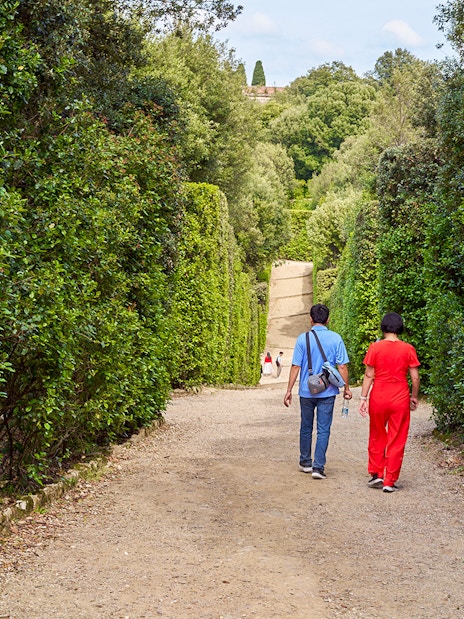
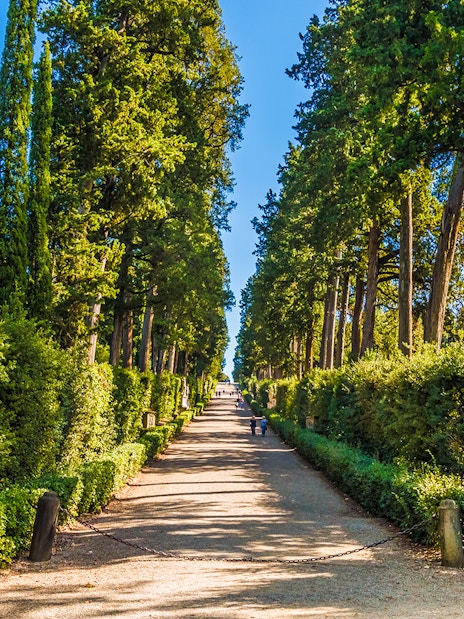
  • Late 18th Century: Under the direction of architects Giulio and Alfonso Parigi, the gardens are expanded to the south, parallel to the palace, including the creation of the Viottolone and a large elliptical basin with a central islet populated by statues, further integrating the palace and gardens into a harmonious architectural ensemble.
  • Second Half of 18th Century: Substantial interventions commissioned by Grand Duke of Tuscany Peter Leopold, including the construction of the Kaffeehaus and the Lemon House by various architects, reflect the evolving tastes and aspirations of the Medici rulers, as well as their commitment to enhancing the splendor of the palace and its surrounding gardens.
  • Present: Ongoing efforts continue to make the Gardens more accessible and environmentally sustainable, with renovations and restorations enhancing the visitor experience while preserving the historical and cultural significance of this iconic Renaissance landscape.

Boboli Gardens history & evolution explained

Frequently asked questions about Pitti Palace and Boboli Gardens tickets

Yes, most tickets for the Pitti Palace also grant entry to the Boboli Gardens. While it is possible to purchase separate tickets, many visitors prefer combo deals that provide a seamless visit at a better value.

More reads

Skip-the-line tickets

Skip-the-line tickets

Plan your visit

Plan your visit

Tours

Tours