A Florence to Cinque Terre day trip is doable, but it is a long day. Travel usually takes around 2.5–3 hours each way, leaving roughly 5–6 hours to explore the villages, harbours, and coastal viewpoints. A good day balances two to four village stops with free time for lunch and photos. Your main decision is whether you want a guided trip with connections handled or a more flexible, independent route.
Quick facts
- Travel time: Around 2.5–3 hours each way from Florence by coach or train.
- Time on the ground: Roughly 5–6 hours after the outward and return journeys.
- What fits in a day: Two to four villages, depending on your pace, itinerary, and available time.
- Included / not included: Round-trip Florence transport is included; local trains, boat rides, guides and food depend on the option selected.
- Best way to do it: Escorted day trip for smoother connections.
- Should you stay overnight? Yes, if you want slower village visits and time on the coast after the day-trip crowds leave.
Plan your day trip
🍷 Is it worth a day trip?
🚗 How many villages can you visit?
🍇 What will the day look like?
🧭 Prepare for your visit
Should you do Cinque Terre as a day trip from Florence?
| Approach | Is a day trip worth it? | What this actually feels like | Better alternatives |
|---|---|---|---|
Focused Cinque Terre: 3–4 villages | Yes, it is the best day-trip format | Around 2.5–3 hours each way leaves roughly 5–6 hours for harbour walks, viewpoints, lunch and short village stops. | Best option as a day trip |
Cinque Terre plus Pisa | Yes, if you start early | You cover two destinations, but spend less time along the coast and focus on fewer Cinque Terre villages. | Choose a Cinque Terre-only tour or visit Pisa separately |
Transfer-only, self-guided route | Yes, if you plan carefully | You gain flexibility but must manage village trains, meeting times and the return journey yourself. | Choose an escorted tour for smoother connections |
Slow, immersive Cinque Terre visit | Not ideal as a day trip | Long return travel makes relaxed meals, all five villages and evening time difficult to fit comfortably. | Stay overnight in Cinque Terre or La Spezia |
When is staying overnight in Cinque Terre the better choice?
A Florence day trip works well when your goal is to visit two to four villages, enjoy the main coastal views, and return to the city the same evening. Most of the day is structured around transport, village transfers, and fixed return timings, so the experience is best suited to travellers who are comfortable with a full and fairly active schedule.
Staying overnight is a better choice when you want a slower pace. It gives you time to explore after many day-trippers leave, have dinner on the coast, start earlier the next morning, and include a longer walk, beach stop, or additional village without constantly checking the clock.
Choose a day trip when:
- You have limited time in Florence.
- You want to see the main villages in one day.
- You prefer returning to the same accommodation.
- You are comfortable with an early start and evening return.
Stay overnight when:
- You want quieter evenings and mornings.
- You plan to visit four or five villages.
- You want time for hiking, swimming, or a longer meal.
- You prefer a slower itinerary with fewer time pressures.
Best for most first-time visitors: A day trip is enough for a focused introduction. Stay overnight when Cinque Terre is one of the main priorities of your Italy itinerary.
How many Cinque Terre villages can you visit in one day?
For a Florence day trip, the right number of stops depends on how much time you want to spend walking, eating, and enjoying each village. Three villages usually offer the best balance between variety and pace.
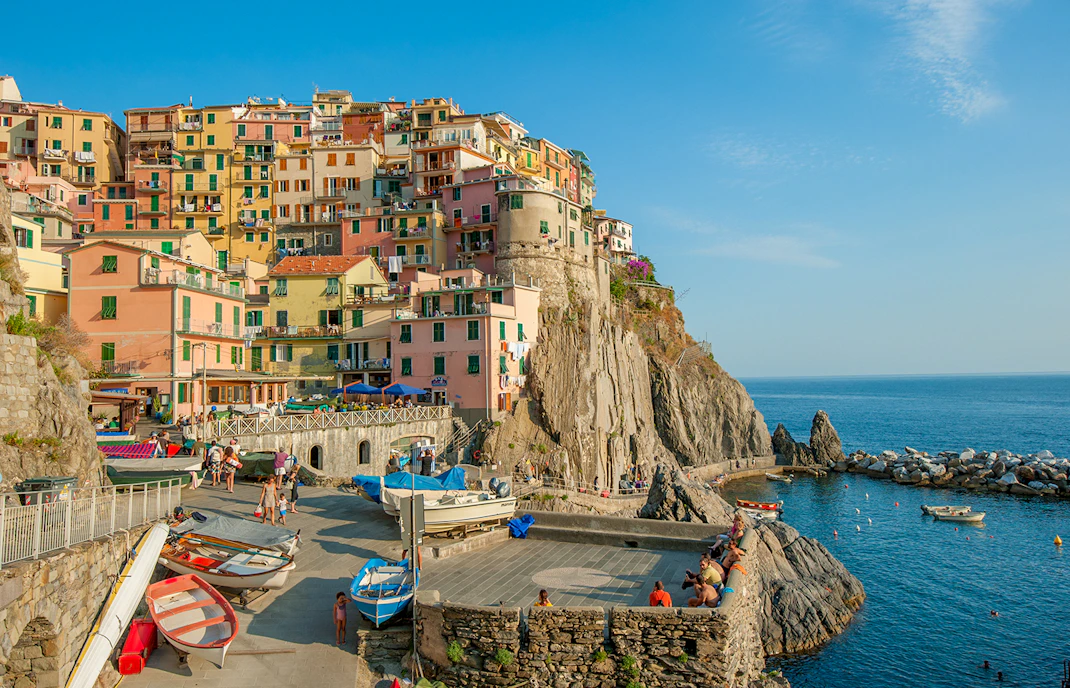
Two villages: Best for a relaxed visit
Choose two villages when you would rather experience each stop properly than race through the coastline. This pace leaves room for harbour walks, a relaxed lunch, and spontaneous photo stops without constantly watching the train schedule.
- Ideal pace: Slow and flexible
- Suggested pairing: Riomaggiore + Manarola
- Room for: Lunch, viewpoints, and browsing local lanes
- Best for: Couples, photographers, and relaxed travellers
- What you give up: A broader overview of the five villages
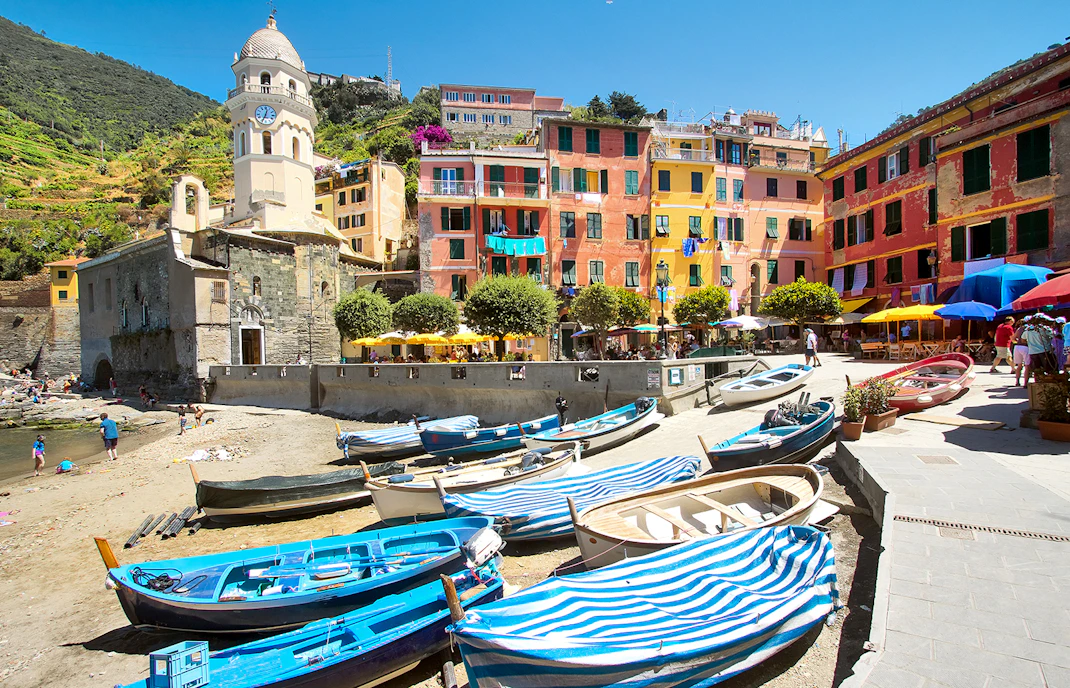
Three villages: Best overall balance
Three villages usually offer the best mix of variety and breathing room. You can experience different landscapes and atmospheres while still keeping enough time for a proper meal and one or two longer stops.
- Ideal pace: Balanced
- Suggested route: Manarola + Vernazza + Monterosso
- Room for: Harbour views, lunch, and a scenic walk
- Best for: First-time visitors and most day-trippers
- Planning note: Keep one village as your main stop and the others slightly shorter
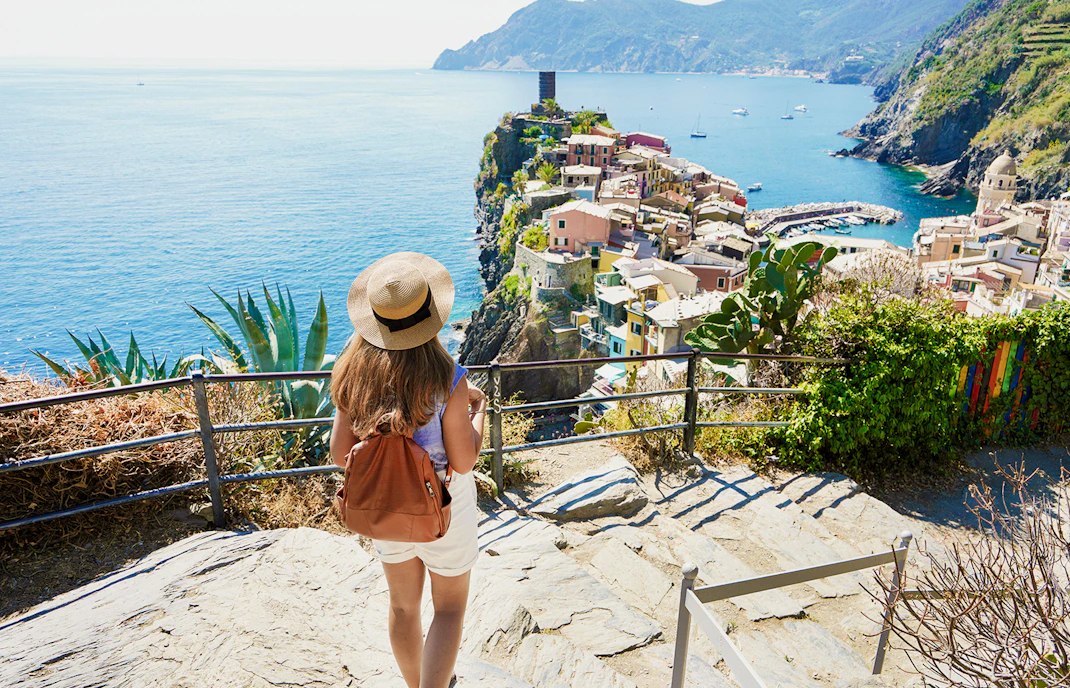
Four villages: Best for a faster itinerary
Four villages work when coverage matters more than lingering. An early start and smooth local connections are essential, and the day is easier to manage on a structured tour or with a carefully planned train route.
- Ideal pace: Active and efficient
- Suggested approach: Three shorter stops + one longer break
- Room for: Quick village walks, viewpoints, and a planned lunch
- Best for: Energetic travellers who want a wider overview
- Planning note: Build in a small buffer for crowded platforms or delayed trains
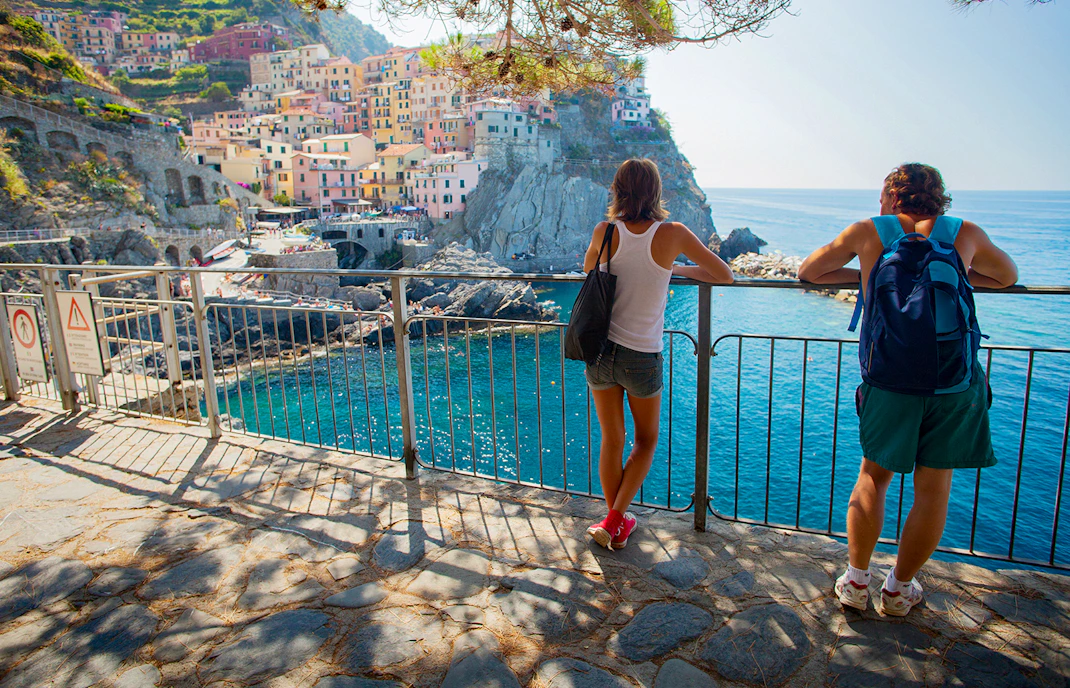
All five villages: A checklist-style visit
Covering all five villages from Florence is possible, but the experience becomes more about completing the route than settling into each place. Most stops will need to be brief, with little flexibility for queues, meals, or weather changes.
- Ideal pace: Fast and tightly scheduled
- Suggested approach: Prioritise one highlight in each village
- Room for: Short walks and quick photo stops
- Best for: Travellers focused on maximum coverage
- Main compromise: Limited time for beaches, long meals, viewpoints, or detours
- Honest take: Better suited to an overnight stay than a relaxed Florence day trip
What your Florence to Cinque Terre day actually looks like
Journey from Florence
Tour fit: Part of every organised day trip
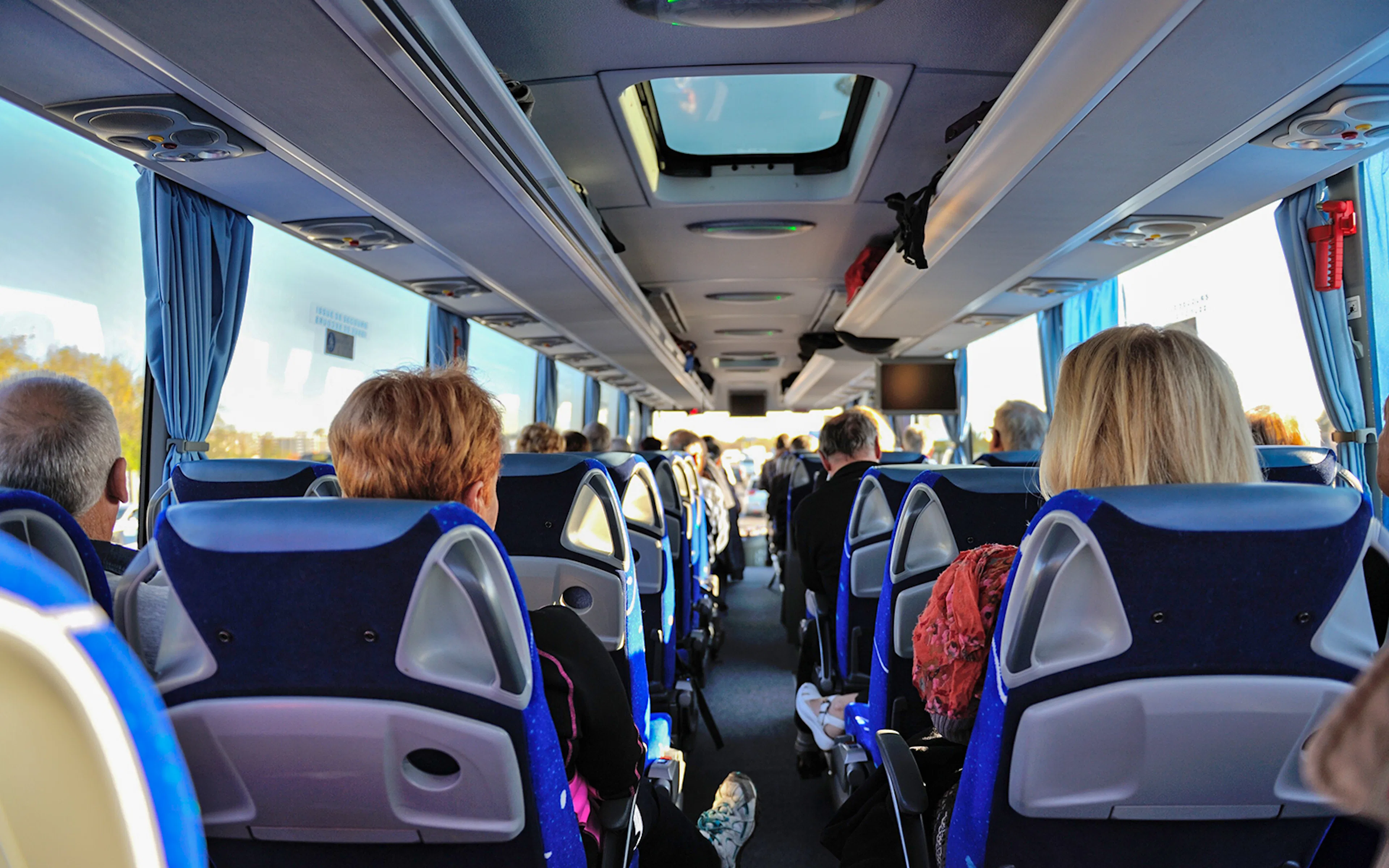
Leave Florence by air-conditioned coach or minivan and travel toward the Ligurian coast. The journey takes you away from the city and through the Tuscan and Ligurian countryside before reaching the Cinque Terre area.
- Time needed: Around 2.5–3 hours
- Local tip: Keep water, a snack and your voucher within easy reach during the journey.
Manarola harbour and lanes
Tour fit: Included on most Cinque Terre-focused tours
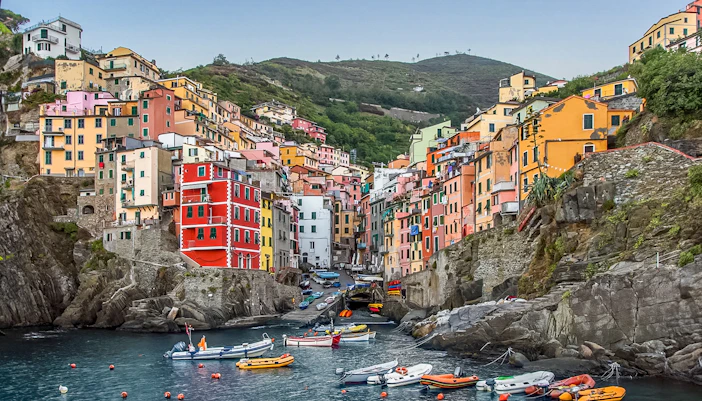
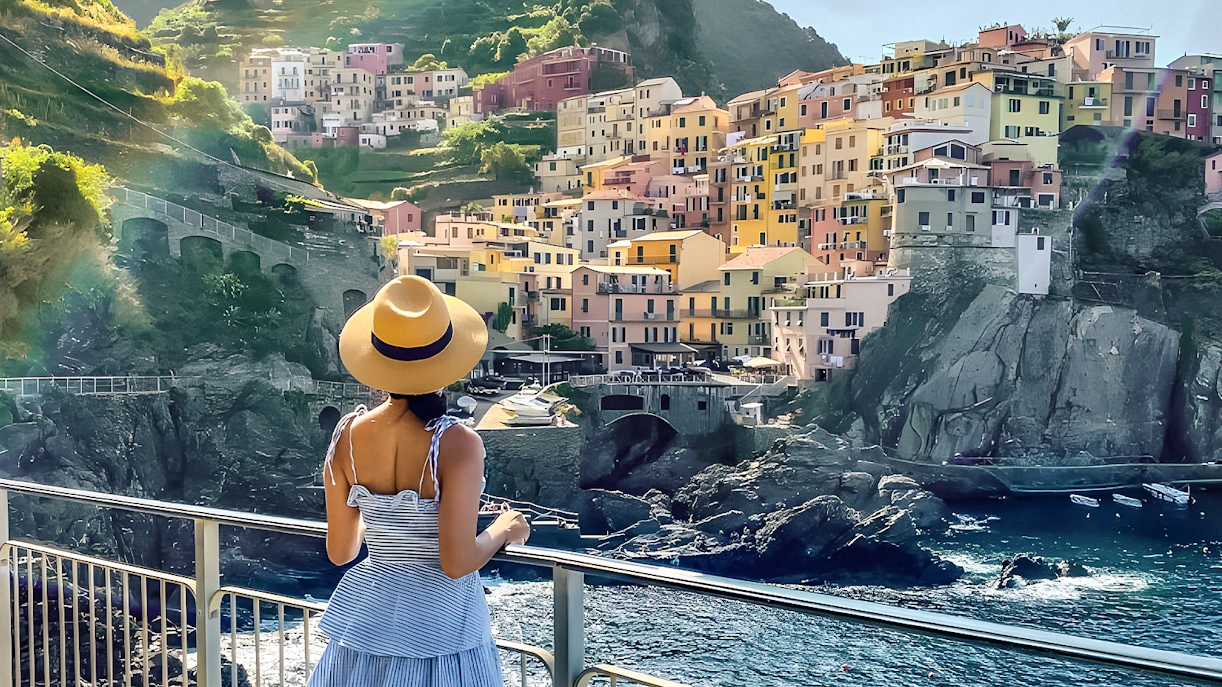
Manarola’s colourful houses rise above a compact rocky harbour, with narrow lanes climbing through the village. Use your free time to explore the waterfront, browse local shops and photograph the village from the coastal viewpoint.
- Time needed: Around 45 minutes–1 hour
- Local tip: Walk uphill from the harbour for a wider view of Manarola and the sea.
Village-to-village travel
Tour fit: Included with select guided and escorted options
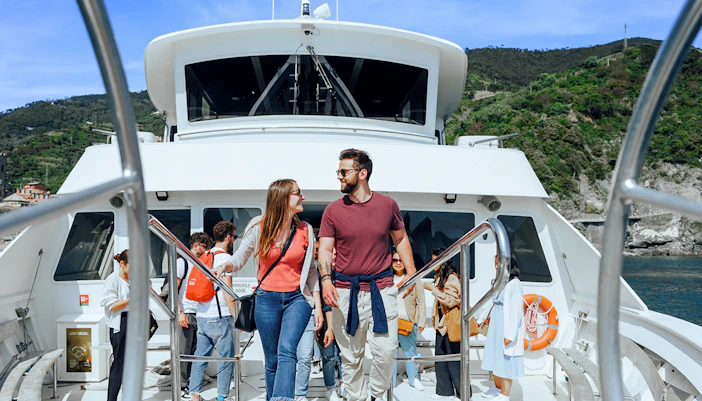
Travel between the villages by local train, passing through tunnels along the Ligurian coast. Select tours may include a boat journey instead when the route is operating and sea conditions allow.
- Time needed: Short connections throughout the day
- Local tip: Check the meeting point and regrouping time before exploring each village independently.
Vernazza waterfront
Tour fit: Included on select Cinque Terre-focused tours
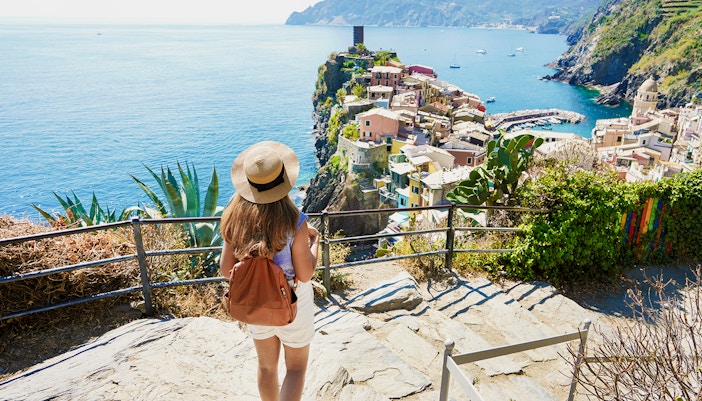
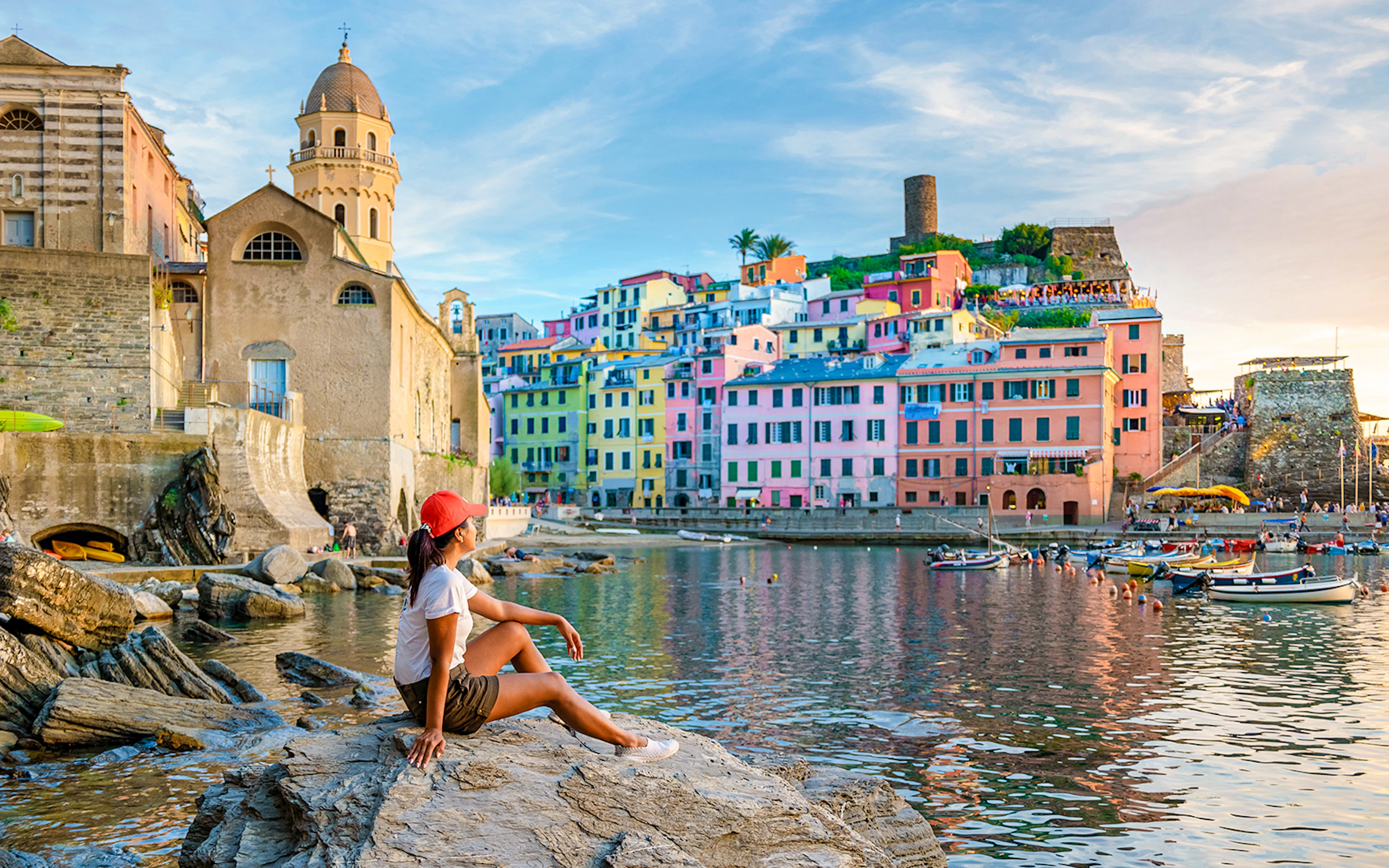
Vernazza centres on a small harbour surrounded by fishing boats, cafés and colourful waterfront buildings. Spend your stop walking around the marina, exploring the narrow lanes or pausing for a quick drink before meeting the group.
- Time needed: Around 45 minutes–1 hour
- Local tip: Walk slightly above the waterfront square for a clearer view of the harbour.
Monterosso and lunch break
Tour fit: Included on select full-day tours
Monterosso has the longest seafront of the Cinque Terre villages and more space for a relaxed break. Explore the old town, walk along the promenade or use your free time to buy lunch independently.
- Time needed: Around 1–1.5 hours
- Local tip: Choose somewhere close to the confirmed meeting point when your lunch break is short.
Pisa and Piazza dei Miracoli
Tour fit: Pisa combination tour only
Combination tours replace some Cinque Terre village time with a stop in Pisa. Walk through Piazza dei Miracoli to see the Leaning Tower, cathedral and baptistery, with time for sightseeing and photographs.
- Time needed: Around 45 minutes–1 hour
- Local tip: Leaning Tower entry is not included, so plan to explore the square unless you hold a separate reservation.
Return to Florence
Tour fit: Part of every organised day trip
After the final stop, regroup at the confirmed meeting point and board your return transfer. The journey back gives you time to rest after a full day of village walks, coastal travel and transport changes.
- Time needed: Around 2.5–3 hours
- Local tip: Avoid making tightly timed evening plans in Florence in case traffic or transport conditions delay your return.
How to get from Florence to Cinque Terre
By train
Best DIY option
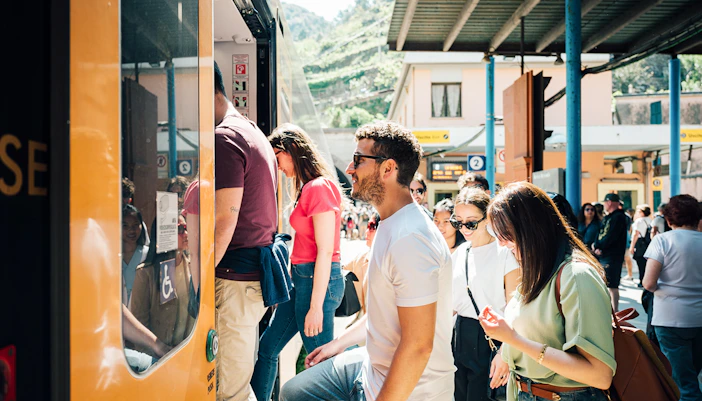
- How it works: Travel from Firenze Santa Maria Novella to La Spezia Centrale, then change to regional trains serving the five villages.
- Time: Around 2.5–3.5 hours each way, depending on the connection.
- Cost: Around €80–€105 return, including Florence–La Spezia tickets and a one-day Cinque Terre Treno Card. The card alone costs €22–€35 in the main 2026 season.
- Best for: Independent travellers comfortable managing connections.
- Tradeoff: Delays, crowded trains, and missed connections can reduce your time in the villages.
By car
Best for onward travel
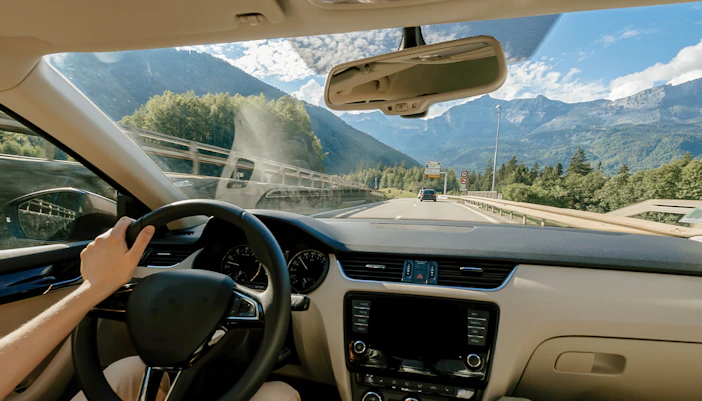
- How it works: Drive from Florence to La Spezia or Levanto, park there, and continue into Cinque Terre by local train.
- Time: Around 2.5–3 hours each way, depending on traffic.
- Cost: Approximately €55–€100 for fuel, tolls, and a full day of parking, excluding car rental.
- Best for: Travellers continuing elsewhere or carrying luggage.
- Tradeoff: Parking is limited near the villages, roads are narrow, and you will usually still need a train to explore the coast.
By organised day tour (recommended)
Recommended for most visitors
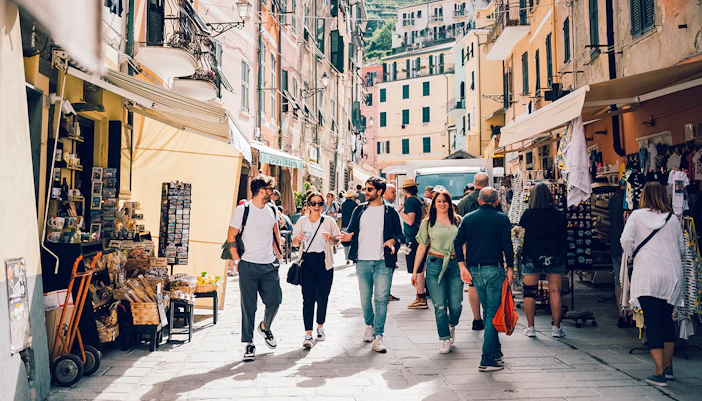
- How it works: Depart from a designated central Florence meeting point by coach or minivan, with return transport and selected local connections arranged.
- Time: Around 12–13 hours for the complete day trip.
- Cost: Roughly €38–€162 per person, depending on transfers, guide, group size, and inclusions.
- Best for: First-time visitors who want the main logistics handled.
- Tradeoff: Departure times, village stops, and return timing follow a fixed itinerary.
Best time for a Florence to Cinque Terre day trip
| Season | Months | What it’s like | Crowds | Book ahead |
|---|---|---|---|---|
Peak | June–August | Long daylight and regular transport make village-hopping easier, but midday heat can make steep lanes and exposed trails tiring. | Very high, especially weekends and holidays | 2–3 weeks ahead for guided and small-group tours |
Shoulder | April–May, September–October | The best balance for walking, coastal views and comfortable village stops. Boat services are more likely to operate, but remain weather-dependent. | Moderate to high on weekends and public holidays | 5–10 days ahead; allow longer for weekends |
Off-peak | November–March | Villages are quieter, but rain, rough seas and shorter daylight can affect trails, boats and the pace of the day. | Low | A few days ahead is usually sufficient |
How to prepare and make the most of your Cinque Terre day trip
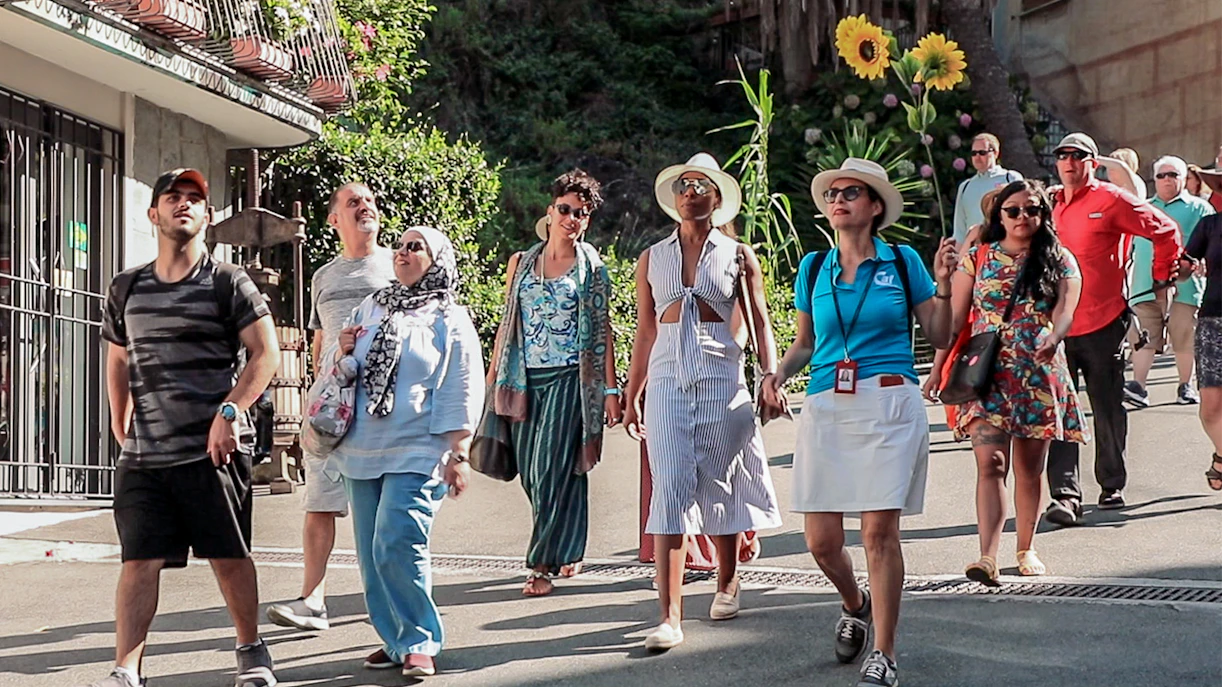
- Wear comfortable walking shoes because village lanes are steep, uneven, and often connected by stairs.
- Carry a refillable water bottle for the long transfers and several hours spent walking.
- Pack sunscreen, sunglasses, and a hat, especially from late spring through summer.
- Bring a light layer, as coastal winds and boat rides can feel cooler than Florence even on sunny days.
- Keep a small snack handy for the journey or when village free time is too short for a full meal.
- Save your voucher and meeting details offline, as mobile reception can be unreliable in tunnels and crowded stations.
Not to bring:
- Avoid bulky luggage; it is awkward on coaches, trains, stairs, and narrow village streets.

- Pre-book: Organised tours, reserved Florence–La Spezia train services, and Via dell’Amore access, especially during the busier spring and summer months.
- Fine on arrival: Local village trains, casual cafés, shops, and most independent sightseeing within the villages.
- Lead times: For June–August, reserve organised tours 2–3 weeks ahead. In spring and early autumn, 5–10 days is usually safer.
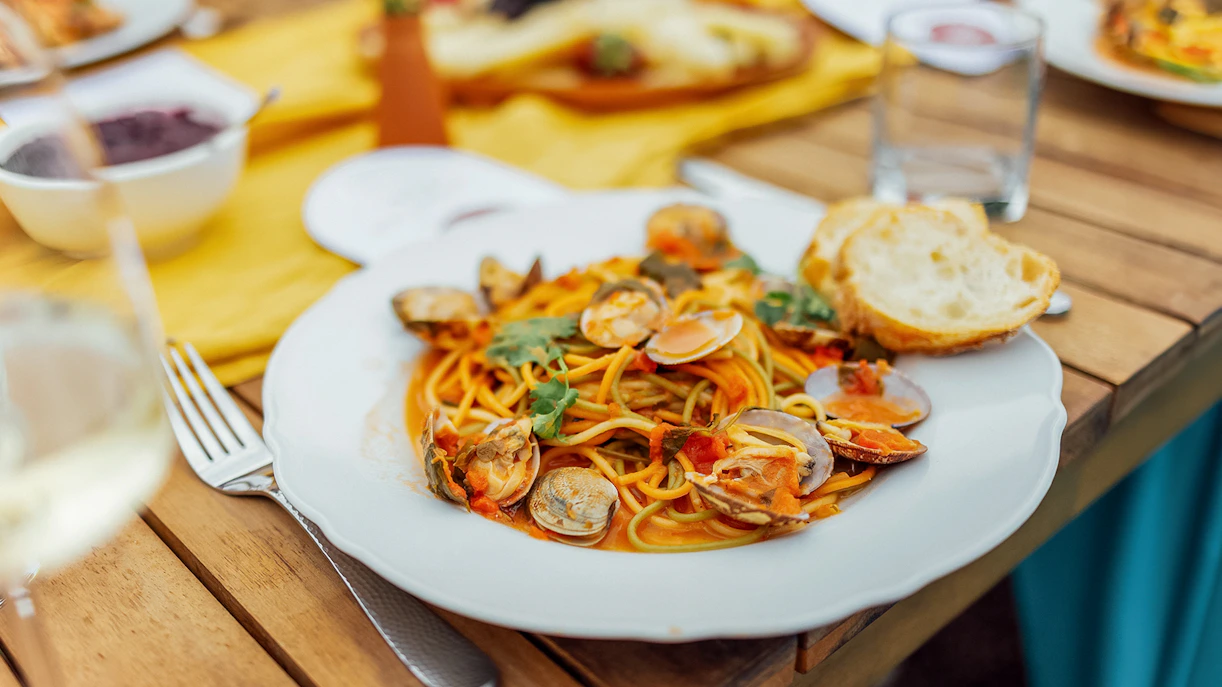
- Eat: Focaccia, pesto pasta, anchovies, and fried seafood are practical local choices, but choose a quick meal when free time is limited.
- Shop: Pesto, local wine, lemon products, and small food gifts are easier to carry than fragile ceramics.
- Plan lunch: Meals are not included on most tours, although select variants may include a Ligurian street-food tasting.
- Stay: Monterosso suits travellers wanting more restaurants and beach access; La Spezia offers easier rail connections and generally more accommodation choice.
- Carry strategy: Buy heavier food or drink items near the final stop so you do not carry them between villages all day.
- Start early; the villages and trains become noticeably busier by late morning.
- Do not try to explore all five villages deeply in one day; three or four well-paced stops feel better.
- Confirm the regrouping point before leaving your guide, especially around stations with multiple exits.
- Keep lunch simple in Monterosso or Vernazza when your stop is under an hour.
- Boat rides are scenic but weather-dependent, so treat rail travel as the likely backup.
- Check the official trail-status page before hiking; routes may close for weather, maintenance, or crowd management.
- In hot weather, avoid exposed trail sections between 11am and 5pm; the park specifically warns about heat on the Blue Trail.
- Nobody tells you this: short train rides can still consume time once queues, platforms, and regrouping are factored in.
Accessibility in Cinque Terre
Cinque Terre is not uniformly accessible. The five villages are built across steep coastal terrain, and many routes include stairs, slopes, narrow lanes, uneven paving, or climbs between the station and village centre. Visitors with limited mobility should check the exact village stops and walking requirements before booking.
Monterosso: generally the easiest village
- The newer Fegina area has a longer, flatter seafront and more open spaces.
- It is generally the most manageable village for visitors who prefer less climbing.
- The old town still has uneven lanes and some walking between different areas.
- Access may involve passing through or around the railway tunnel area.
Corniglia: the most demanding station access
- Corniglia sits above its railway station rather than beside the waterfront.
- Visitors must use the local shuttle or climb the long staircase to reach the centre.
- It is less suitable for travellers who find steps or sustained uphill walking difficult.
- Shuttle and park-bus schedules can vary by season.
Riomaggiore, Manarola, and Vernazza: expect slopes and steps
- These villages have steep lanes, stairways, narrow passages, and uneven surfaces.
- Reaching harbours, viewpoints, and upper streets can require additional climbing.
- Regional trains remain the most practical way to move between villages.
- Station access does not always mean the main sights are on level ground.
Trails are not an accessible substitute for the train
- Most coastal trails include gradients, steps, uneven terrain, or exposed sections.
- Trail access can change because of weather, maintenance, or safety restrictions.
- Hiking should not be treated as an easier alternative to using the train.
- Check the National Park’s current trail status before planning a walking route.
Before booking
- Confirm which villages are included in the itinerary.
- Check the expected walking distance and number of steps.
- Ask whether steep slopes can be avoided.
- Confirm whether the coach or minivan can meet your mobility requirements.
- For an easier day, prioritise Monterosso, use trains between villages, and avoid hiking-led itineraries.
How to get around Cinque Terre once you arrive
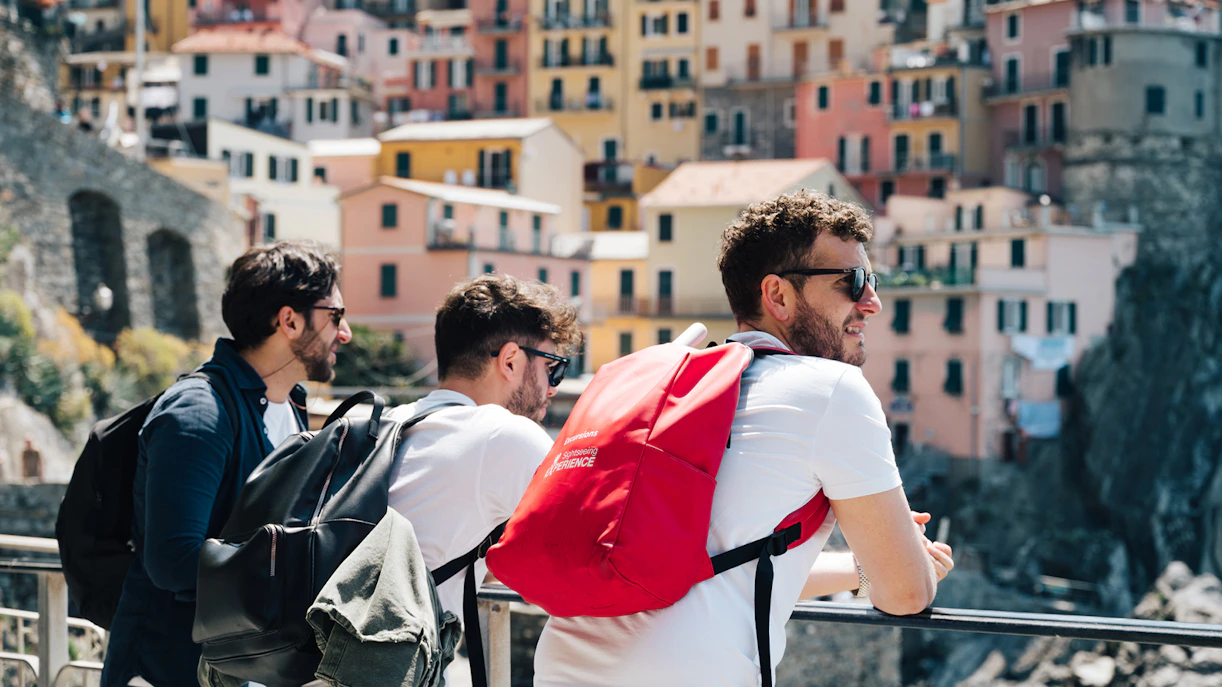
- When it makes sense: Walking is best within each village, where the harbours, lanes, shops, and viewpoints are close together. It also works for visitors using marked trails between villages, provided the route is open and they have enough time.
- Cost: Free within the villages. Some national park trails require a valid Cinque Terre Card.
- Honest note: Village streets are steep and often include stairs. Walking between several villages is not realistic during a short Florence day trip, and trail closures can change your plans.
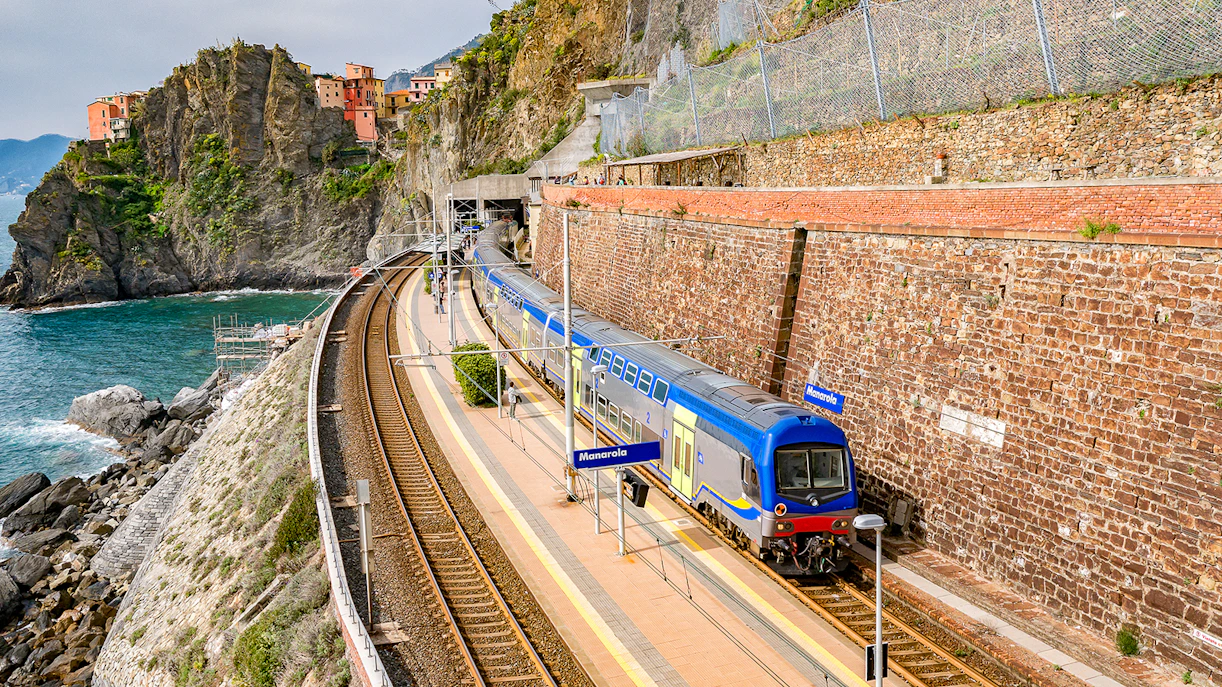
- When it makes sense: The regional train is the quickest and most practical way to move between Riomaggiore, Manarola, Corniglia, Vernazza, and Monterosso. Stations sit close to the village centres, making it the best choice for covering several stops in one day.
- Cost: A one-day adult Cinque Terre Train Card currently costs €22–€35, depending on the official demand band, and includes unlimited regional trains between La Spezia and Levanto.
- Honest note: Trains can be crowded, and queues, platforms, and regrouping time make short journeys take longer than expected.
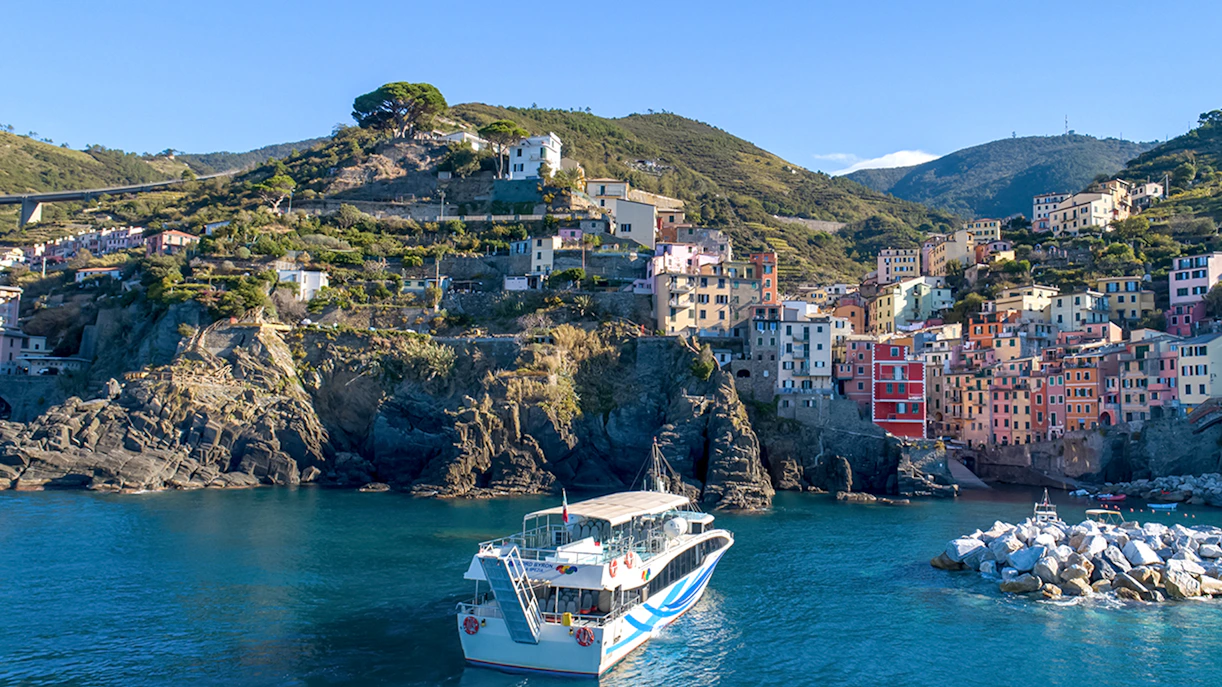
- When it makes sense: Boats are useful when you want wider coastal views and a more scenic connection between villages. In spring and summer, services generally connect Riomaggiore, Manarola, Vernazza, and Monterosso; Corniglia has no harbour stop.
- Cost: Fares vary by route and ticket type, so check the operator’s live timetable and prices for your travel date.
- Honest note: Services depend on weather and sea conditions and may be suspended at short notice. Boats are slower than trains and should be treated as a scenic option, not the most reliable way to keep a tight itinerary.
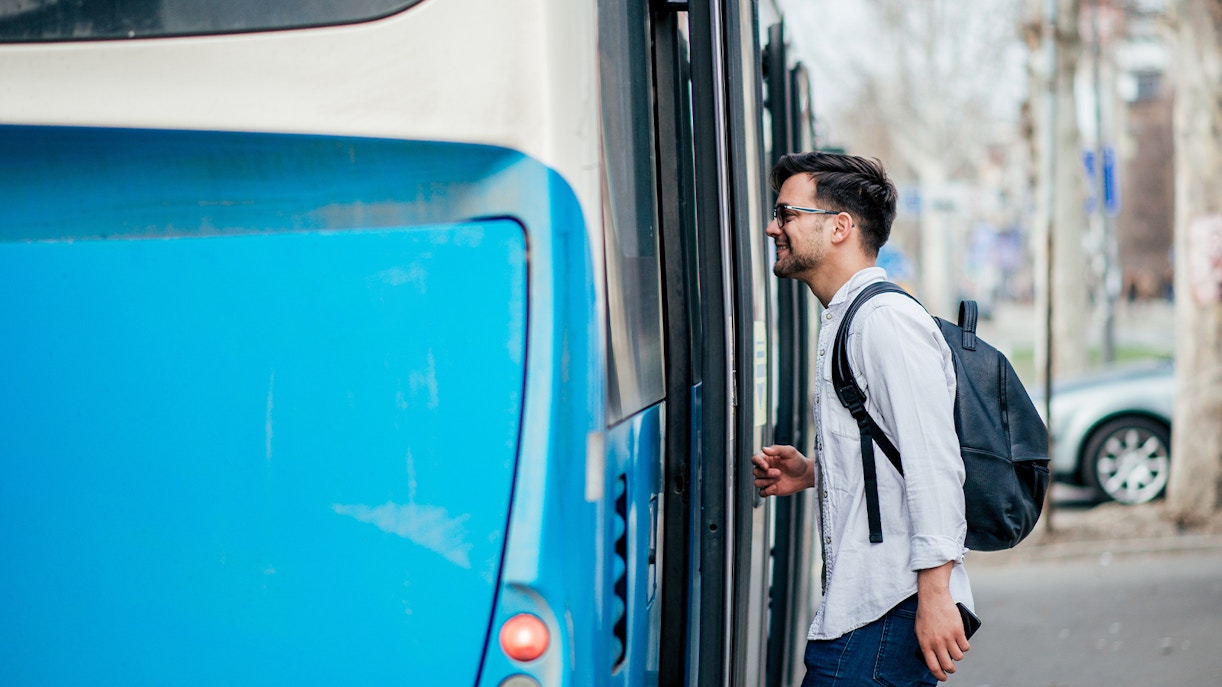
- When it makes sense: Local buses help connect village centres with hillside hamlets, sanctuaries, and trail access points. They are most useful for reaching places above the coast rather than travelling through the five villages.
- Cost: Local village buses are included with a valid Cinque Terre Card. Without one, ATC fares apply.
- Honest note: These buses do not connect one Cinque Terre village to another. Timetables vary by season, so they cannot replace the train for a standard village-hopping itinerary.

- When it makes sense: A pre-arranged taxi can help with a specific transfer, luggage, or accommodation located away from a station. Cars and scooters make more sense for visitors exploring the surrounding hills or continuing elsewhere after Cinque Terre.
- Cost: Taxi and rental costs vary by distance, season, fuel, and parking; confirm the fare before travelling.
- Honest note: Taxis are limited, app-based rides should not be assumed, and driving is not recommended for village-hopping. Roads are difficult and parking is scarce, so most drivers still need to continue by train.
Frequently asked questions about planning a Florence to Cinque Terre day trip
It is a long but realistic day trip. Most organised options last around 12–13 hours, with roughly 5–6 hours available along the coast. It feels rushed when you try to cover all five villages or combine Cinque Terre with several extra stops.
A guided or escorted tour is usually worth it for first-time visitors who want transport and village connections coordinated. DIY travel can cost less and gives you more flexibility, but you must manage train changes, timings, and the return to Florence yourself.
Expect several hours of walking across steep lanes, cobbled streets, stairs, station passages, and waterfront paths. The day does not require hiking unless your itinerary includes a trail, but the repeated short walks and transport changes can still feel tiring.
For June to August, aim to reserve guided or small-group tours around two to three weeks ahead. In April, May, September, and October, five to ten days is usually safer. Booking earlier also gives you more choice of languages and tour formats.
April to May and September to October usually offer the best balance of comfortable walking conditions and manageable crowds. Summer provides longer daylight and more seasonal services, but the villages, trains, and harbours can be very busy and hot.
You can, but the trip will use one complete day. It makes sense if Cinque Terre is a priority; otherwise, you may prefer to keep the day for Florence’s museums and historic centre. Avoid planning an important evening activity after your return.
It can be, but the long journey, stairs, uneven streets, and limited rest time should be considered. Families and older travellers often do better with an organised tour, fewer village stops, and a route that does not include hiking.
Cinque Terre is challenging for visitors with limited mobility because many villages have steep streets, stairs, uneven surfaces, and busy stations. Accessibility varies by stop and transport type, so check the specific product details before booking rather than relying on a general route description.
Boat services may be cancelled because of rough seas or poor weather. When this happens, guided tours usually adjust the route and continue by train or road where possible. Independent travellers should treat the train as the main backup rather than relying entirely on boats.
Stay overnight if you want quieter evenings, sunrise or sunset views, longer meals, hiking, or time in all five villages. A day trip works better for highlights, but an overnight stay removes the fixed return and gives you more control over the pace.