Tracing Boboli Gardens' history: From Renaissance roots to modern elegance

The chronicles of Boboli Gardens' evolution set it apart from the mere status of just another European garden. Wander paths where kings strolled, admire art-filled fountains, and experience the peaceful ambiance. Perfect blend of history, art, and nature. Revisit its captivating story here – your visit's about to get awesome!

Brief Boboli Gardens history timeline

  • 1549: Duchess Eleonora of Toledo commissions Niccolò Pericoli (Tribolo) for Boboli Gardens - an Italian masterpiece with symmetrical trees, flowers, and fountains.
  • Early 1550s: Bernardo Buontalenti adds the Grotto of the Madama, a mystical oasis with stone beings and animals.
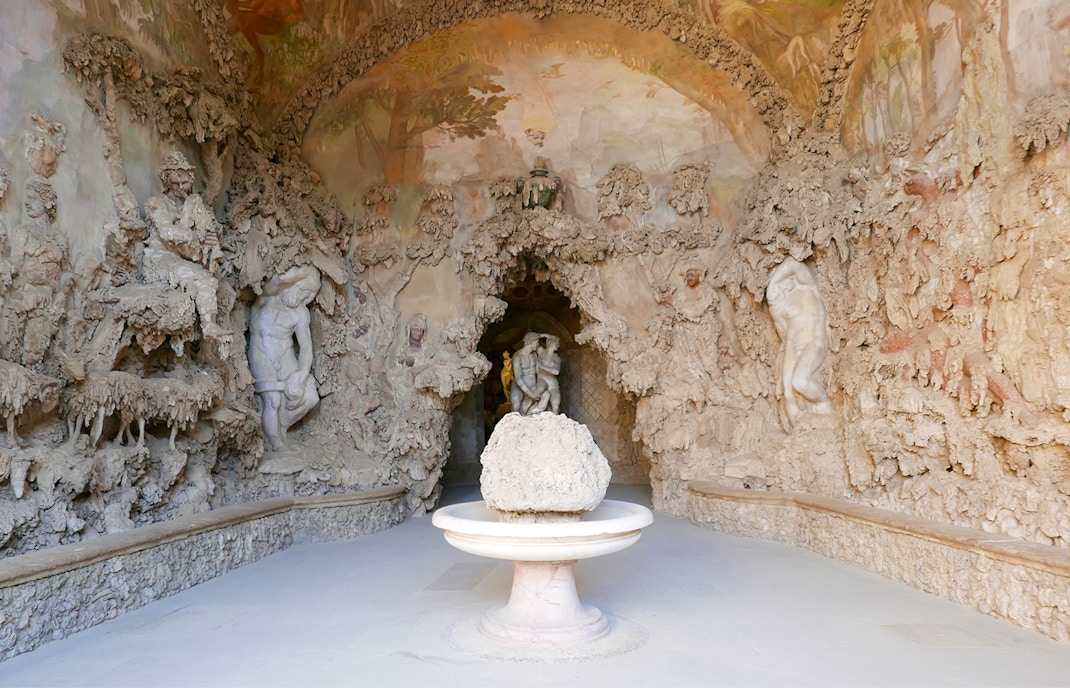
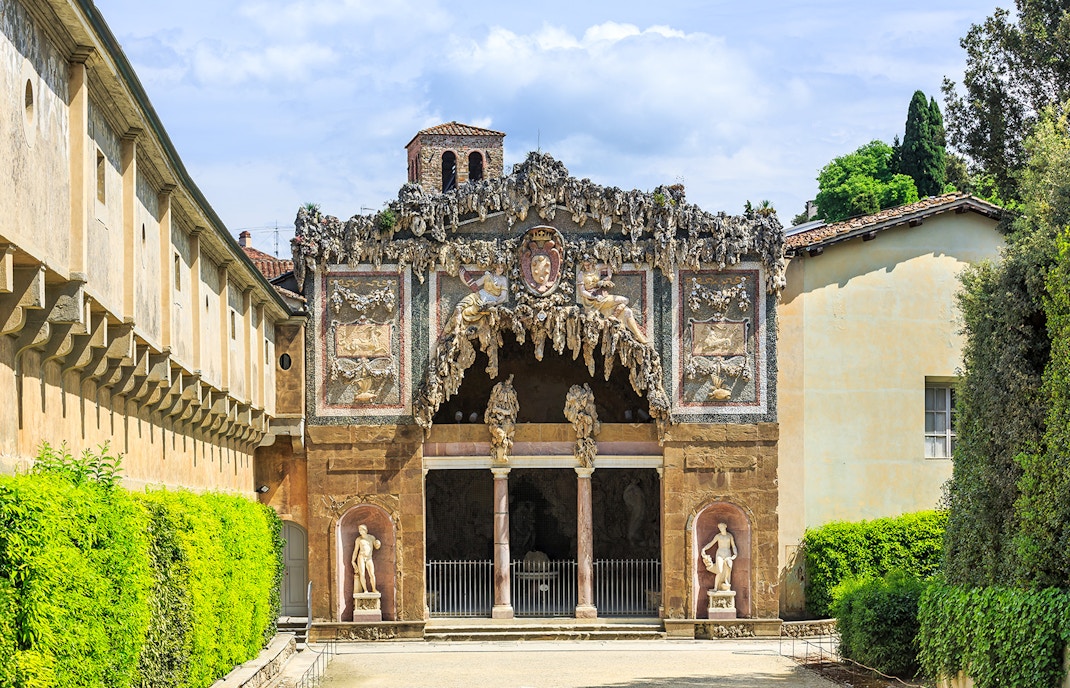
  • 1583-1593: Buontalenti Grotto emerges with limestone stalactites and vivid reliefs, replacing a nursery.
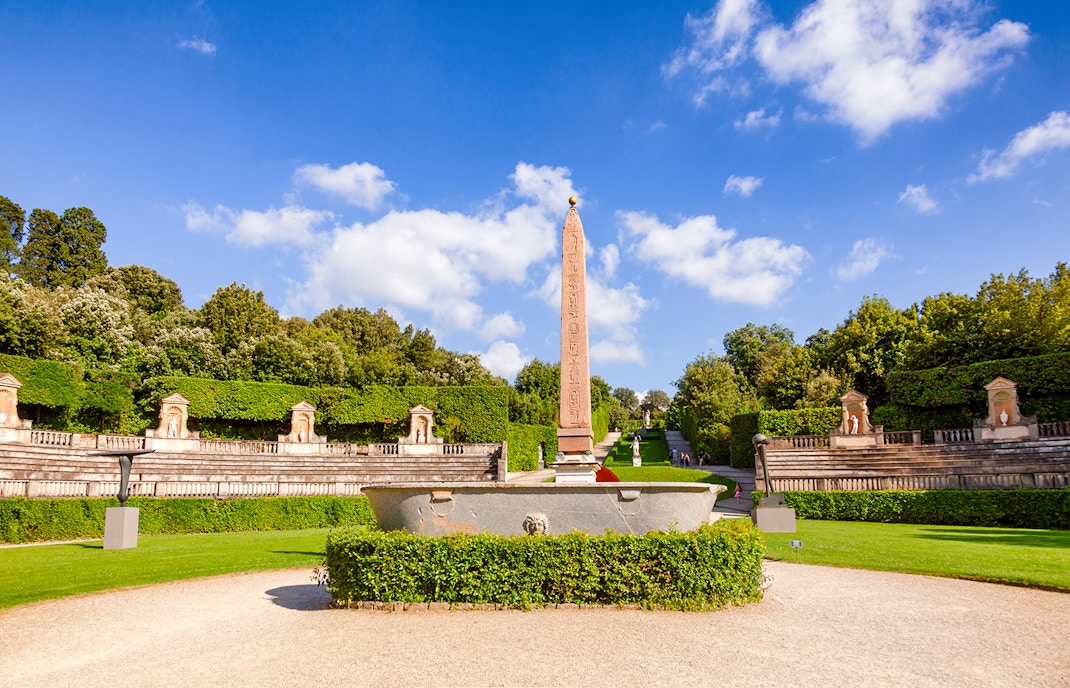
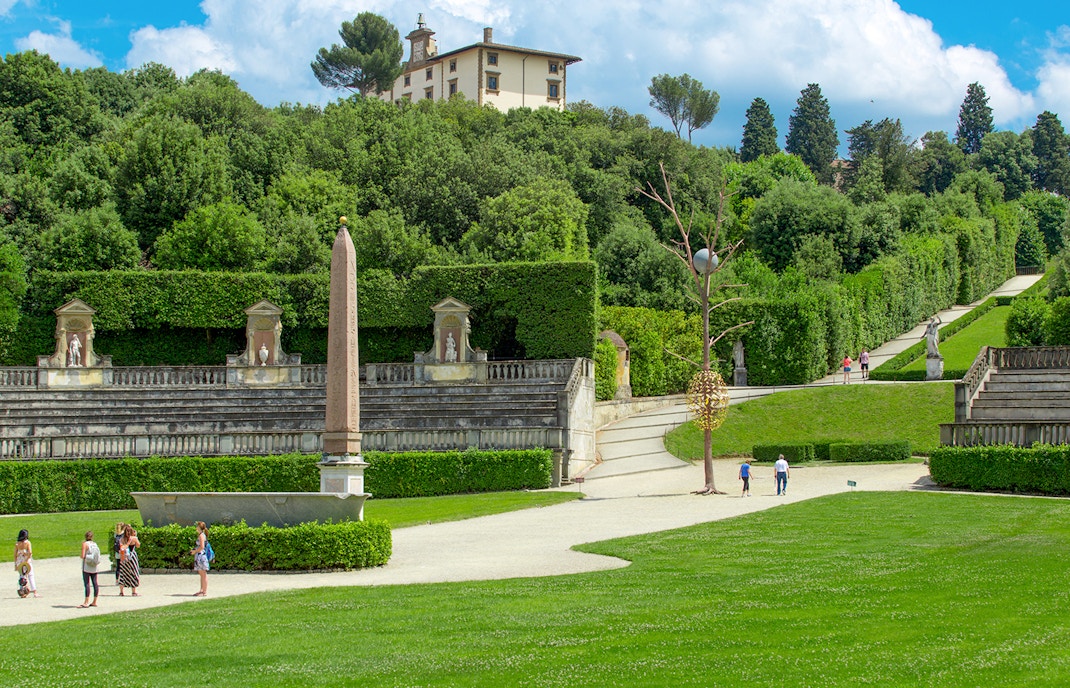
  • 1631: Giulio Parigi elevates the Amphitheatre with an Egyptian obelisk and a basin from Rome's Baths of Caracalla.
  • Cosimo II and Ferdinando II: They expand southward, introducing the Viottolone avenue and the monumental Ocean statue by Giambologna.
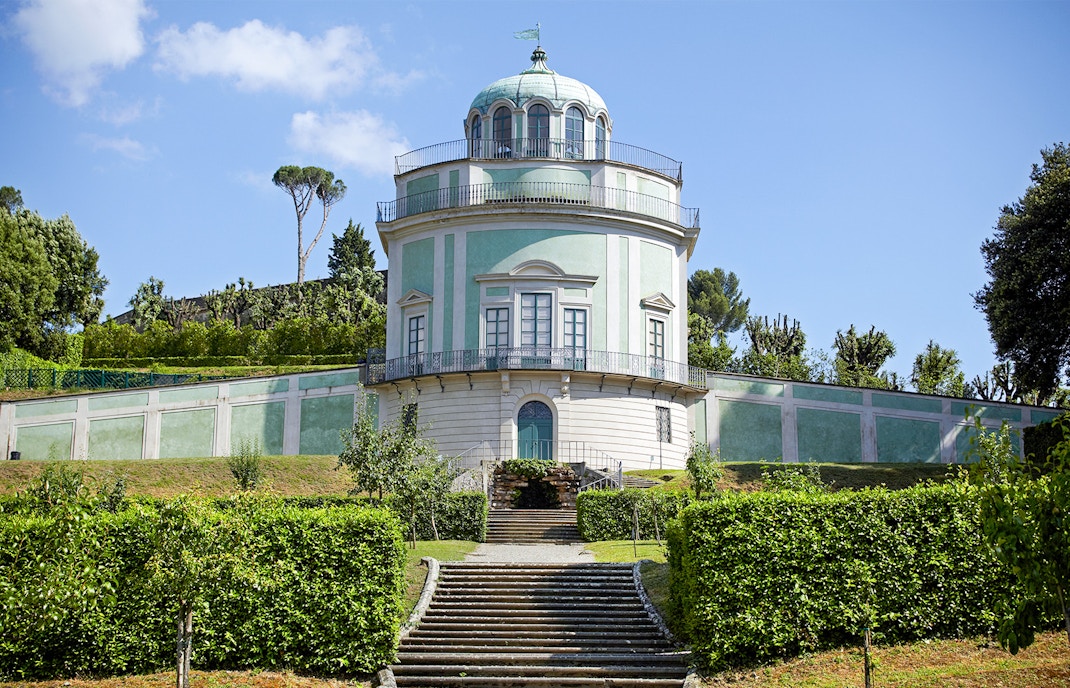
  • Late 18th Century: Architects transform the Gardens, adding the Kaffeehaus pavilion and Lemon House.
  • 2021: UNESCO recognizes Boboli Gardens, celebrating its Italian garden artistry and history.

History of Boboli Gardens explained

Beginning of the Boboli Gardens

1549-1553

The Boboli Gardens were begun in 1549 by Niccolò Pericoli, known as Tribolo, for Duchess Eleonora of Toledo. The gardens were designed to be arranged geometrically with a symmetrical, regular positioning of trees and flowerbeds. The planting of hedges and trees, rare and wild plants, and the construction of the fountains began immediately.

Grotto of the Madama

1553-1555

One of the first important constructions was the Grotto of the Madama, realized between 1553 and 1555 in order to recreate a natural environment populated by mysterious stone beings and animals.

Buontalenti Grotto

1583-1593

Between 1583 and 1593, a large grotto known as Buontalenti Grotto was constructed by Bernardo Buontalenti in place of a nursery designed by Vasari. This spectacular grotto was built with limestone concrete stalactites, shells, and terracotta reliefs, with water running down the walls providing vivacity and color.

The age of the Grand Dukes

17th Century

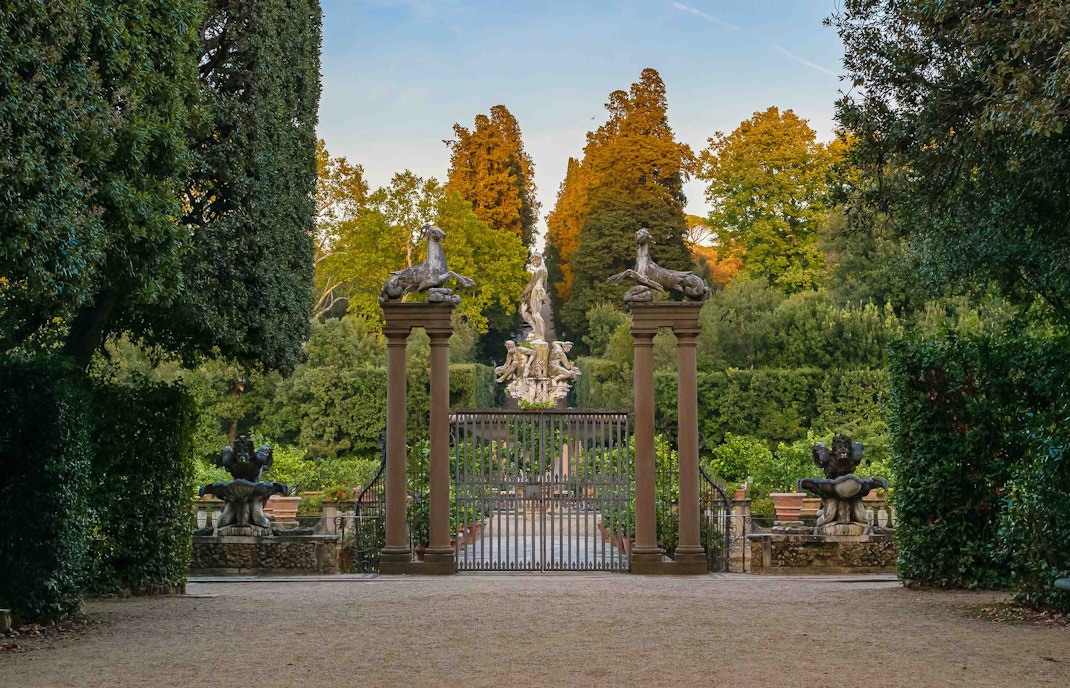
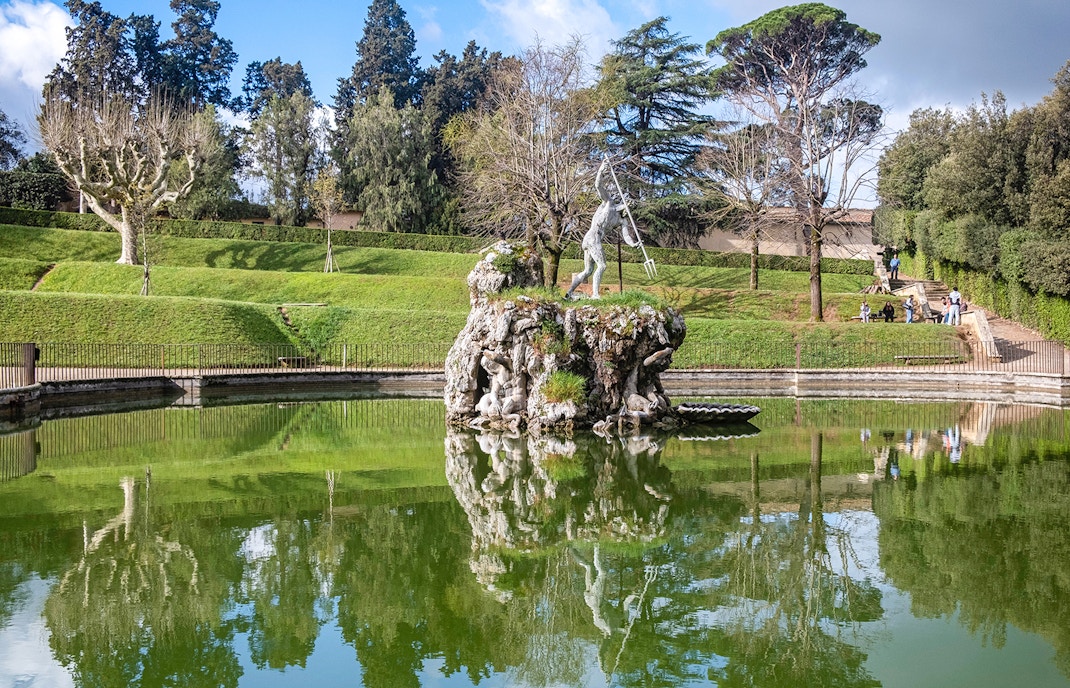
During the reigns of Grand Dukes Cosimo II and Ferdinando II de’ Medici, the gardens underwent expansion to the South, paralleling the Palace within the city walls, courtesy of Giulio and Alfonso Parigi. At the terminus of the wide central avenue known as the Viottolone, Alfonso Parigi crafted a sizable elliptical basin featuring a central islet adorned with statues depicting fantastical and mythological figures. In the heart of the island stands the monumental statue "The Ocean" by Giambologna.

Amphitheatre transformation

1631

In 1631, Giulio Parigi converted the Amphitheatre from garden architecture to masonry architecture. This involved installing the Egyptian obelisk, originally from Luxor but later acquired from the Medici's Roman collections, along with the basin from the Baths of Caracalla in Rome.

The Era of the Lorraines

18th Century

During the latter half of the 18th century, Grand Duke of Tuscany Peter Leopold initiated a series of significant projects. Architects like Gaspare Maria Paoletti, Giuseppe Cacialli, Pasquale Poccianti, and Zanobi del Rosso were commissioned for these endeavors. Zanobi del Rosso, in particular, was tasked by Peter Leopold to build two essential structures: the Kaffeehaus and the Lemon House, crucial for completing the Gardens' layout.

The Age of the Habsburgs

19th Century

In the 19th century, the Boboli Gardens became the property of the Habsburg family, who had acquired Tuscany through marriage. During this period, the gardens were opened to the public and became a popular destination for tourists and locals alike.

Restoration and Preservation

20th Century

In the 20th century, the Boboli Gardens underwent a series of restorations and renovations aimed at preserving the gardens' historic character and beauty. Today, the gardens are a beloved cultural landmark and a testament to the rich history and artistic heritage of Florence.

Legacy and impact of the Boboli Gardens

The Boboli Gardens in Florence, Italy, continue to stand as a testament to the grandeur and innovation of Renaissance garden design. Their influence extends far beyond Italy, shaping the development of garden and landscape architecture across Europe and beyond.

Today, the Boboli Gardens serve as a source of inspiration for garden designers and enthusiasts worldwide, with their symmetrical layout, terraced slopes, and meticulously sculpted greenery. They have left an indelible mark on notable green spaces such as the Gardens of Versailles in France, the Royal Botanic Gardens at Kew in England, and the Schönbrunn Palace Gardens in Austria, among others.

Additionally, many gardens in Florence, such as the Bardini Gardens, Giardino delle Rose, and Giardino dei Semplici, bear traces of the Boboli's influence, further cementing its status as a cornerstone of garden design history.
Frequently asked questions about Boboli Gardens history

The Boboli Gardens were established in the 16th century, with construction starting around 1550 and continuing over several centuries.

More reads

Plan your visit

Book Now

Entrances

Book Now