- Address: Piazza de' Pitti, 1, 50125 Firenze FI, Italy
- Year opened: 1458
- Founder: Luca Pitti, a wealthy Florentine banker
- Architectural style: Renaissance
- Architect: Filippo Brunelleschi is credited for the initial design, though completed by others like Bartolomeo Ammannati
- Size: Approximately 32,000 square meters
- Galleries: Palatine Gallery, Gallery of Modern Art, Costume Gallery, Silver Museum, and more
- Notable features: Home to a vast collection of Renaissance masterpieces, luxurious royal apartments, and the historically significant Boboli Gardens
- Historical significance: Served as the main residence for the ruling families of the Grand Duchy of Tuscany, including the Medici, Habsburg-Lorraine, and Savoy families
- Current use: A museum complex showcasing art, costumes, jewelry, and historical artifacts.
Boboli Gardens and Pitti Palace tickets
Crafted by Headout, a global experiences brand offering curated tours, tickets & experiences. Discover with ease, book with peace.Loved by over 55 million guests worldwide
Headout is an authorized and trusted partner of this venue
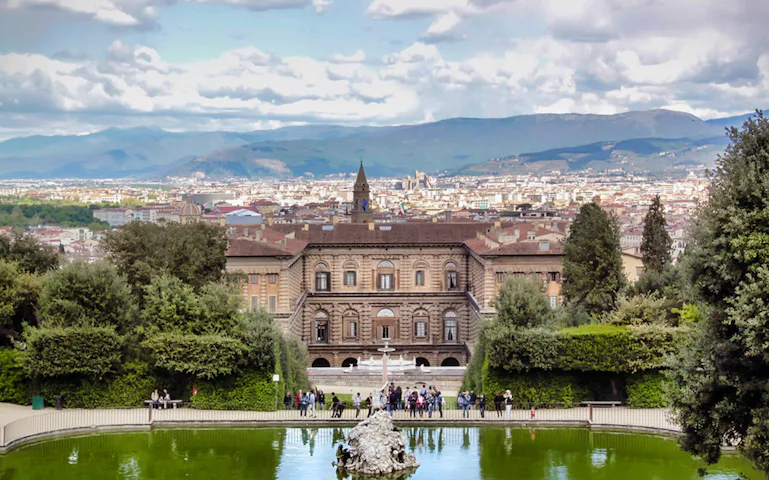
The Legacy of Medici: Exploring Boboli Gardens and Pitti Palace **
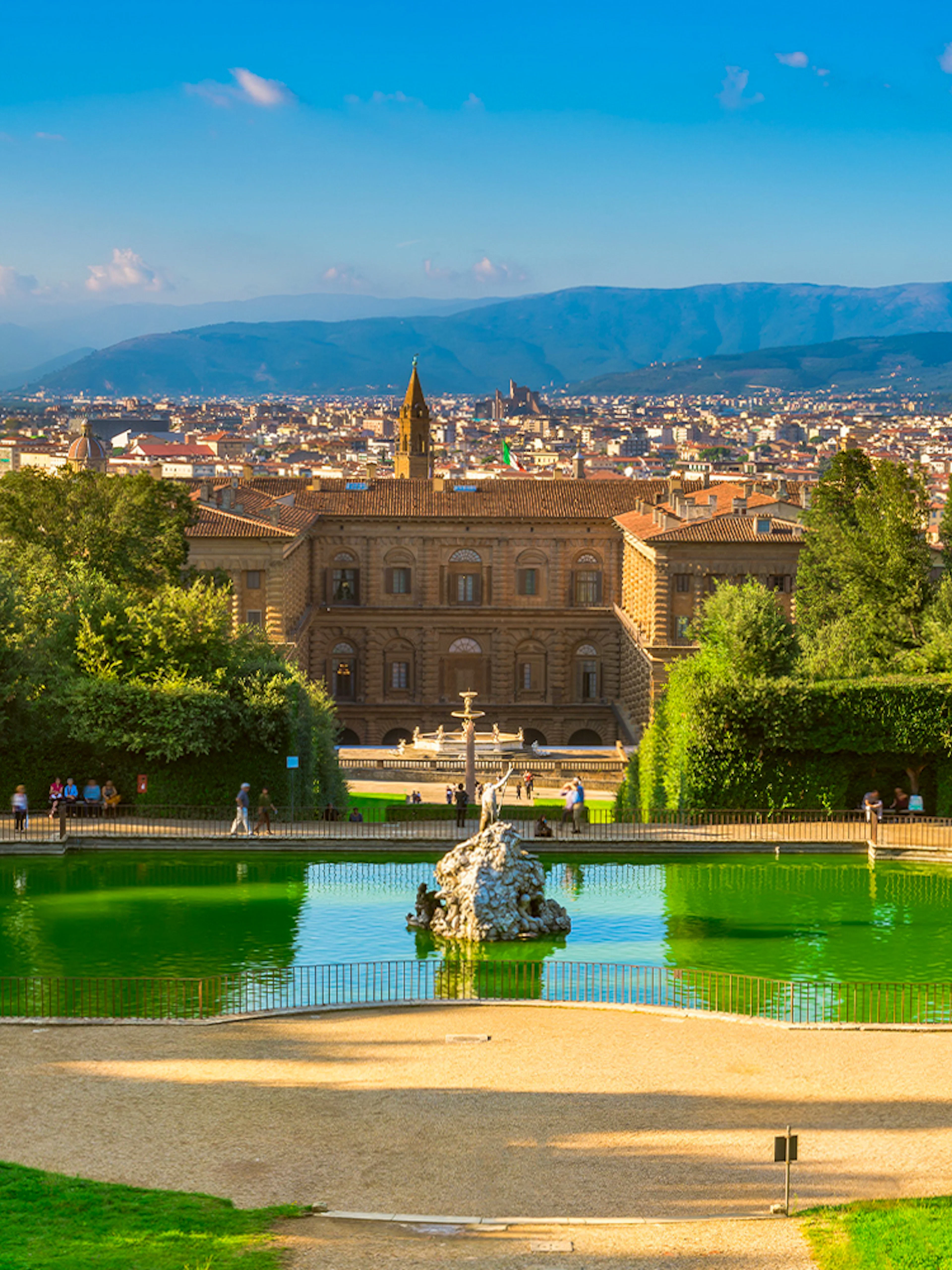
Nestled in the heart of Florence, the Boboli Gardens and Pitti Palace stand as testaments to the splendor and artistry of the Renaissance era, sharing a history that dates back to the 16th century. The powerful and influential Medici family envisioned the Boboli Gardens as an impressive addition to the Pitti Palace, showcasing their status and taste. This garden, filled with stunning sculptures, fountains, and well-kept lawns, offers breathtaking views of Florence, creating a peaceful contrast to the grandeur of the palace.
The connection between the palace and its gardens sheds light on the Medici's love for art and beauty, mirroring the Renaissance ideals of balance, nature, and innovation.
Palazzo Pitti | Quick facts
Why visit Pitti Palace?
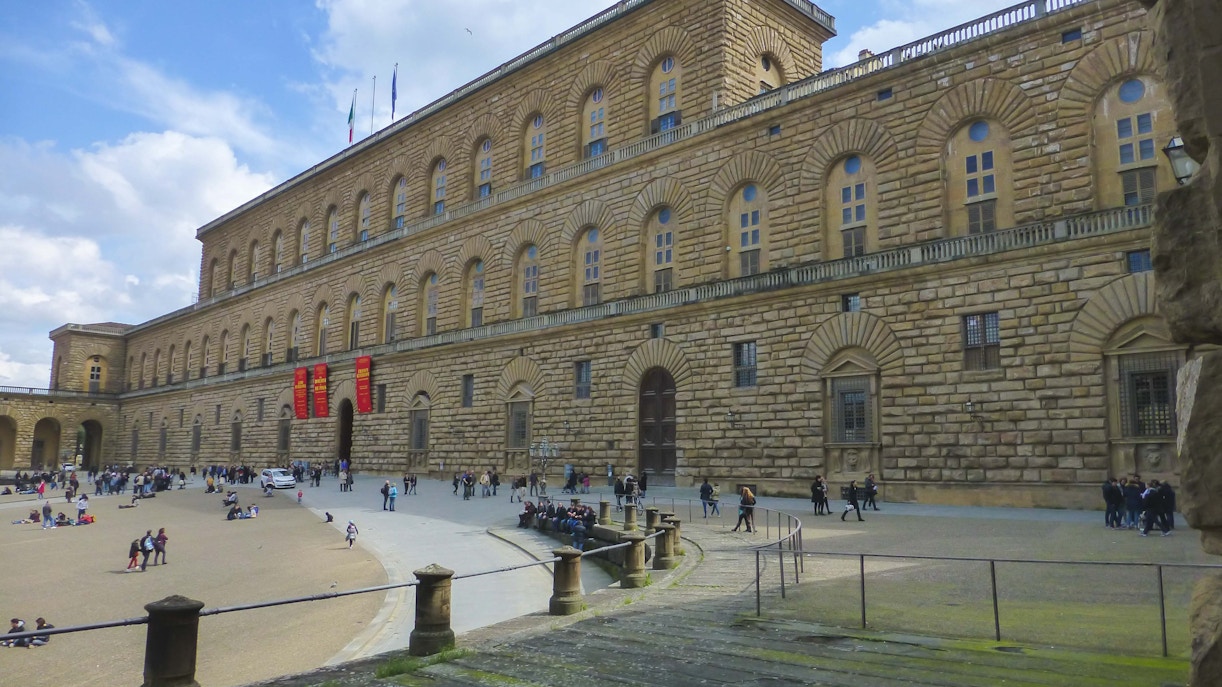
- Get a sneak peak into Renaissance life: Designed by Filippo Brunelleschi, Pitti Palace itself is a masterpiece of Renaissance architecture, featuring elegant facades and grand interiors. Inside, explore the Royal Apartments, boasting luxurious furnishings and frescoes that narrate tales of power, politics, and aesthetics.
- Art lover's paradise: The Palatine Gallery is home to an impressive array of Renaissance masterpieces by greats like Raphael, Titian, and Caravaggio among others.
- Explore fashion through the ages: The Costume Gallery offers a journey through fashion history, showcasing historical garments, accessories, and theatrical costumes reflecting changing styles and societal norms.
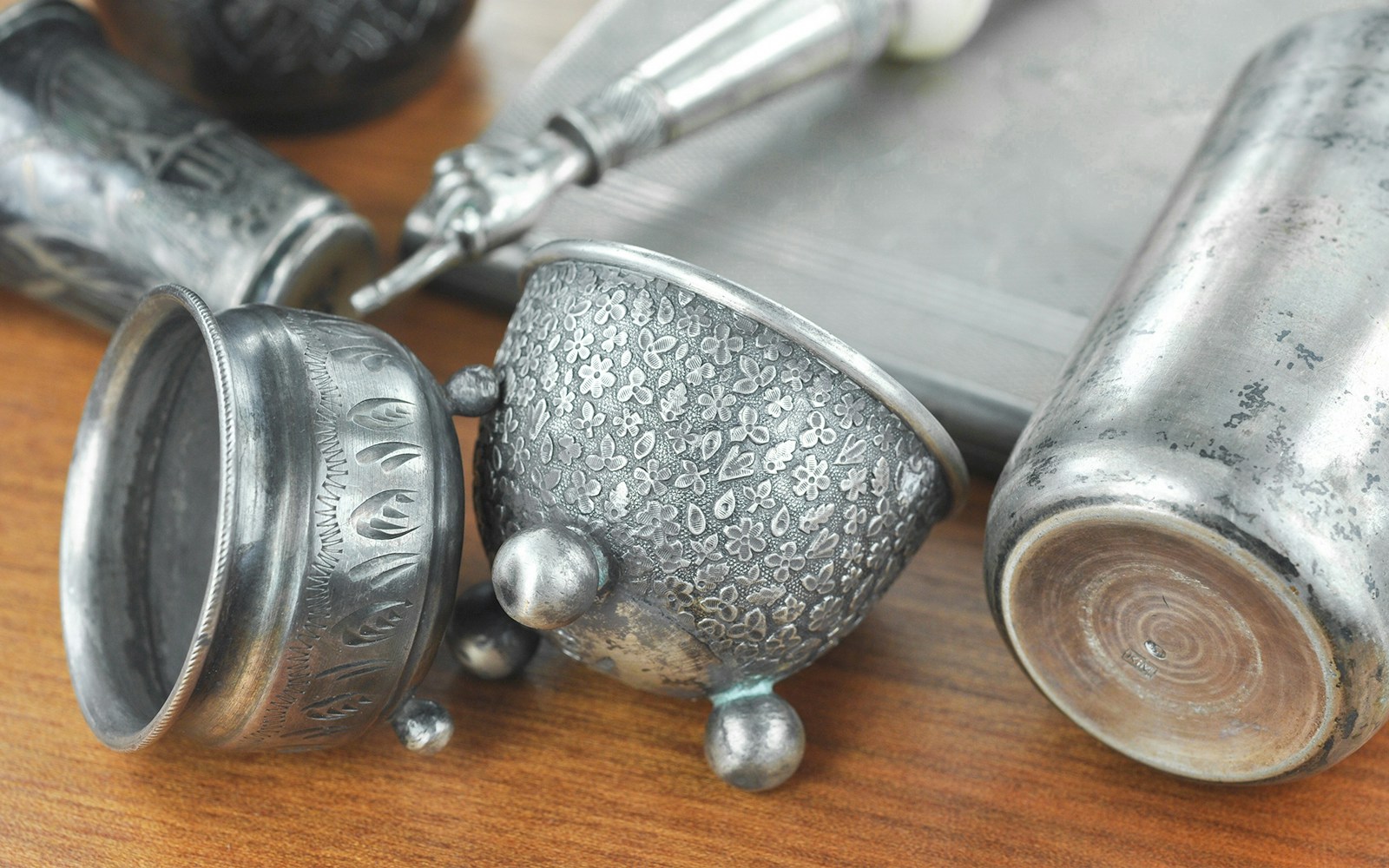
- Discover hidden treasures: Visit the Silver Museum for insights into Florence's elite life, exhibiting precious artifacts, jewels, and luxury items. Other palace museums like the Porcelain Museum and Gallery of Modern Art offer diverse collections across different periods and styles.
- Living history of the Medici family: The Pitti Palace symbolizes Florence's power shifts, wealth, and art patronage. It reflects the Medici legacy and Tuscan Grand Duchy evolution, offering a Renaissance drama experience.
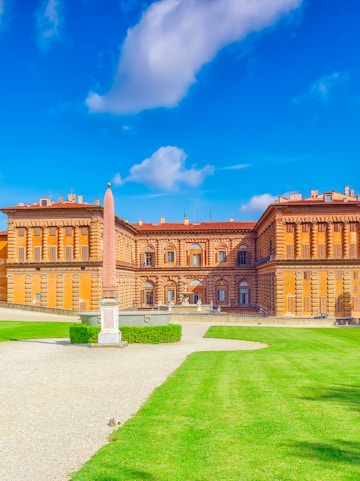
- Step into the garden of wonders: Behind the palace lies the Boboli Gardens, an iconic example of Italian landscape design, beckon with their statues, grottoes, and fountains amid well-kept lawns and hedges, providing a serene setting for leisurely exploration and reflection.
Plan your visit to Pitti Palace
Tuesday to Sunday: 8.15am to 6.30pm
Closed on: Mondays, January 1, December 25
Last admission: One hour before the closure of the museum.
Note:
- The Imperial Apartments are currently closed for refurbishment until further notice.
- Visits to the mezzanine floor of the Treasure of the Grandukes are suspended until further notice.
Pitti Palace highlights
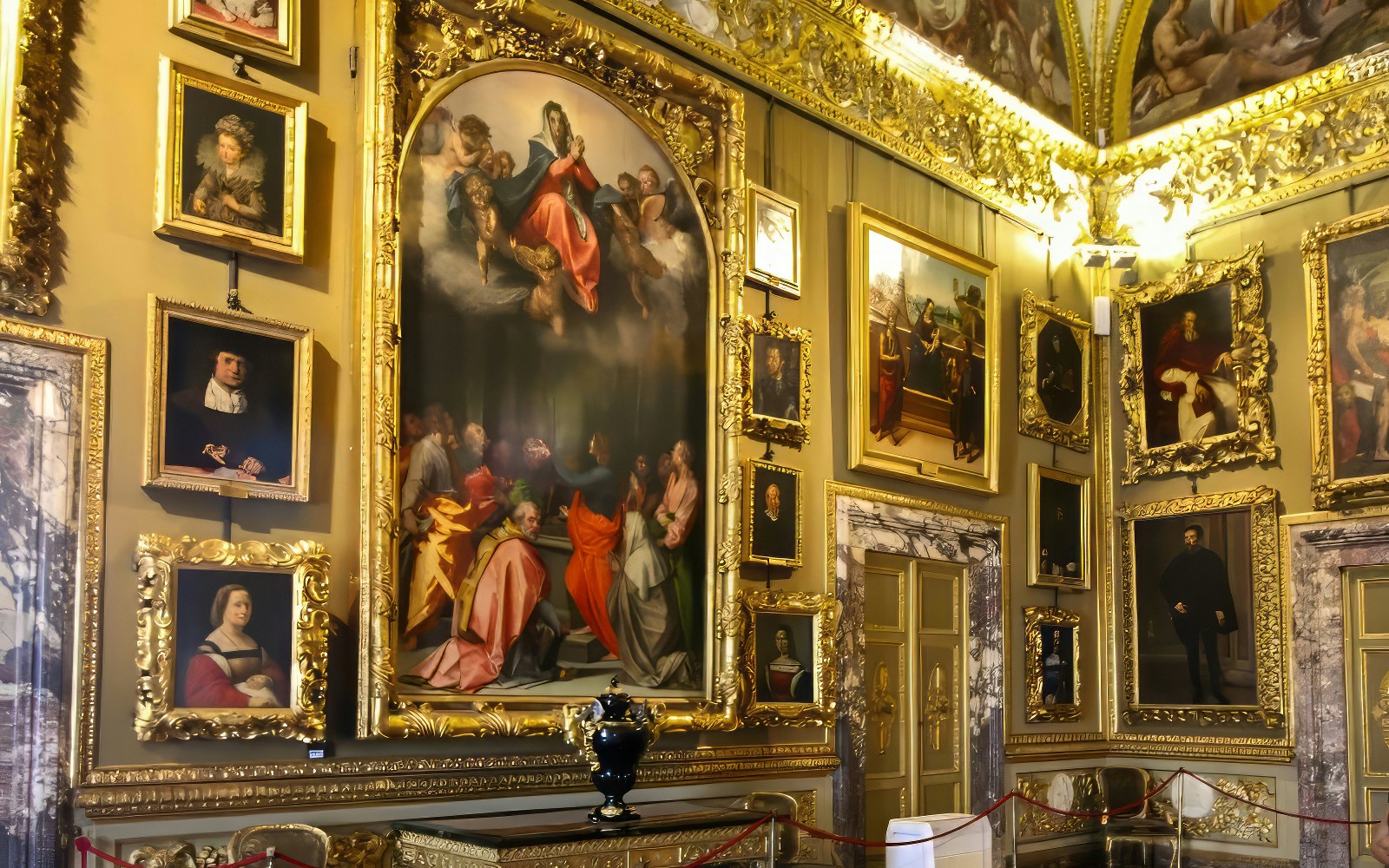
Palatine Gallery
Explore a rich collection of Renaissance and Baroque artworks.

Brief history of Palazzo Pitti
- 1458: Construction of Palazzo Pitti begins under the ownership of Luca Pitti, a Florentine merchant, as his private residence.
- 1473: Luca Pitti passes away, leaving Filippo Brunelleschi's project unfinished, with the building having three large doors and a double row of seven windows on the facade.
- 1549: Eleonora of Toledo, wife of Cosimo I de’ Medici, purchases the palace, transforming it into a ceremonial residence for the nascent Grand Duchy.
- Late 16th Century: Bartolomeo Ammannati, the Grand Duke's favorite architect, extends the main front and rear sections of the palace and creates the magnificent Italian Boboli Gardens behind it.
- 17th Century: The two front wings of the Palace are built with porticos and terraces under the Hapsburg-Lorraine family, tripling the original size of the square.
- 1860-1871: During Florence's brief period as the capital of Italy, Pitti Palace serves as the royal residence under King Victor Emmanuel II.
- 1919: Victor Emmanuel III donates Pitti Palace, the square, and the Boboli Gardens to the Italian State.
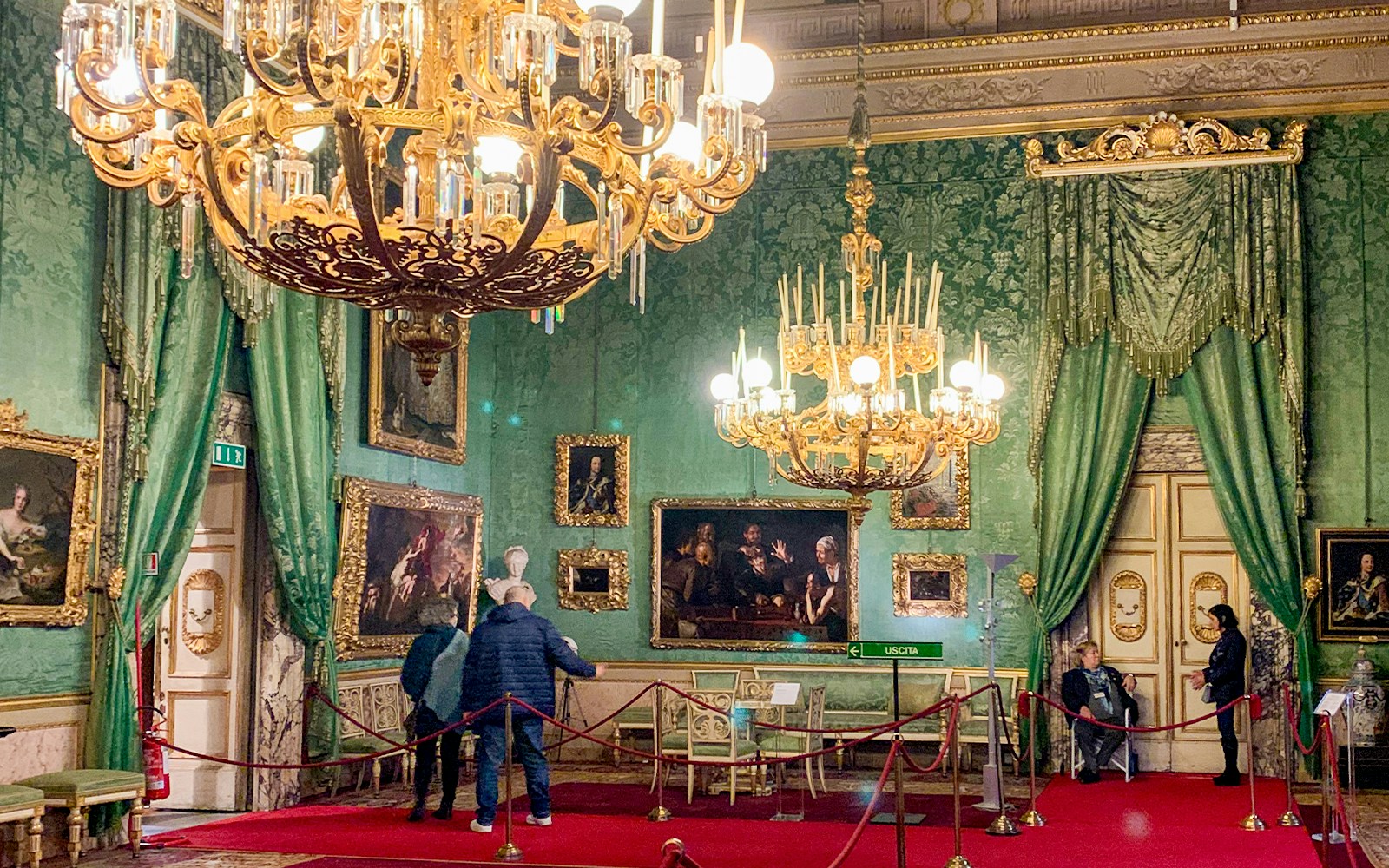
- Present Day: The Palace houses the Treasury of the Grand Dukes, the Palatine Gallery, Royal and Imperial Apartments, the Gallery of Modern Art, and the Museum of Costume and Fashion, continuing to be a significant cultural heritage site.
Pitti Palace architecture
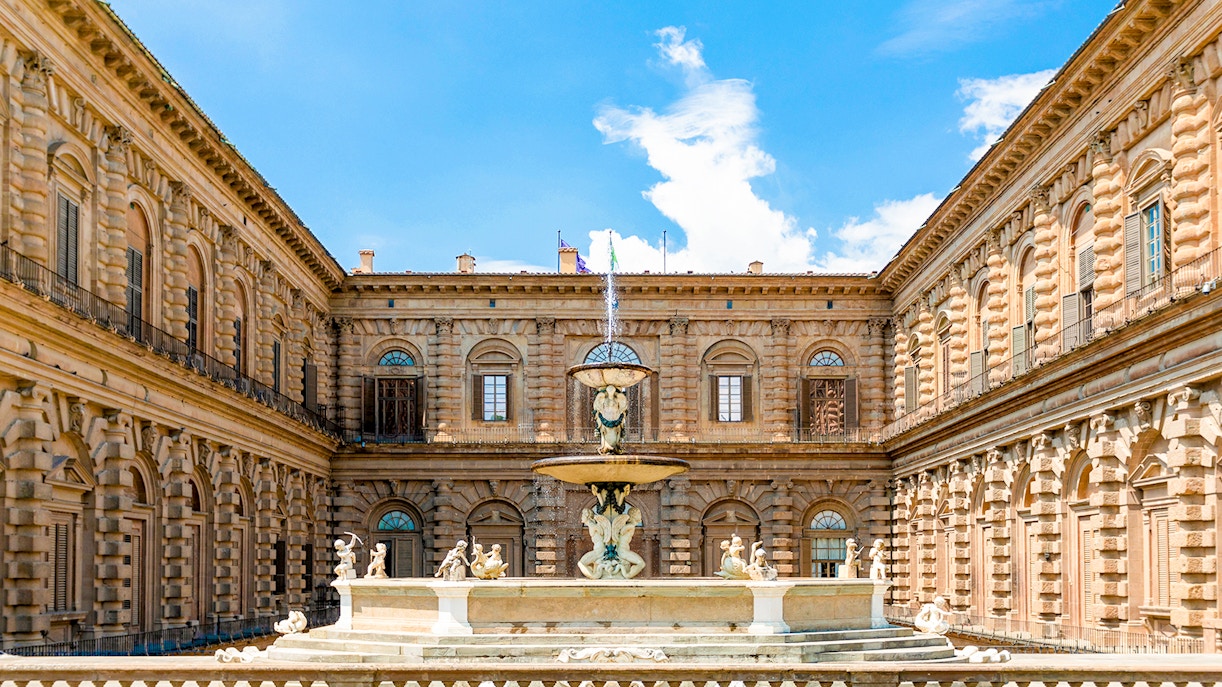
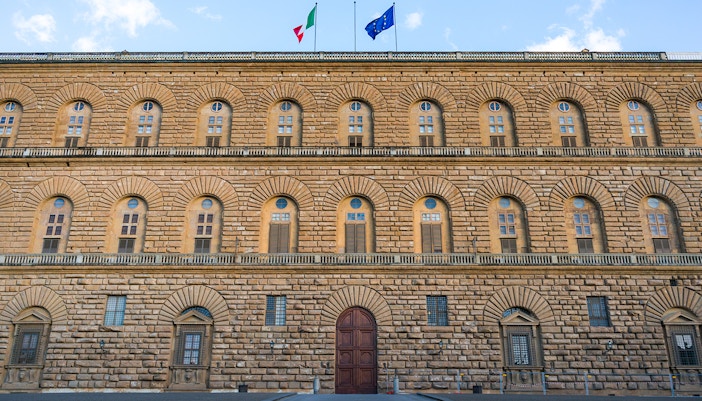
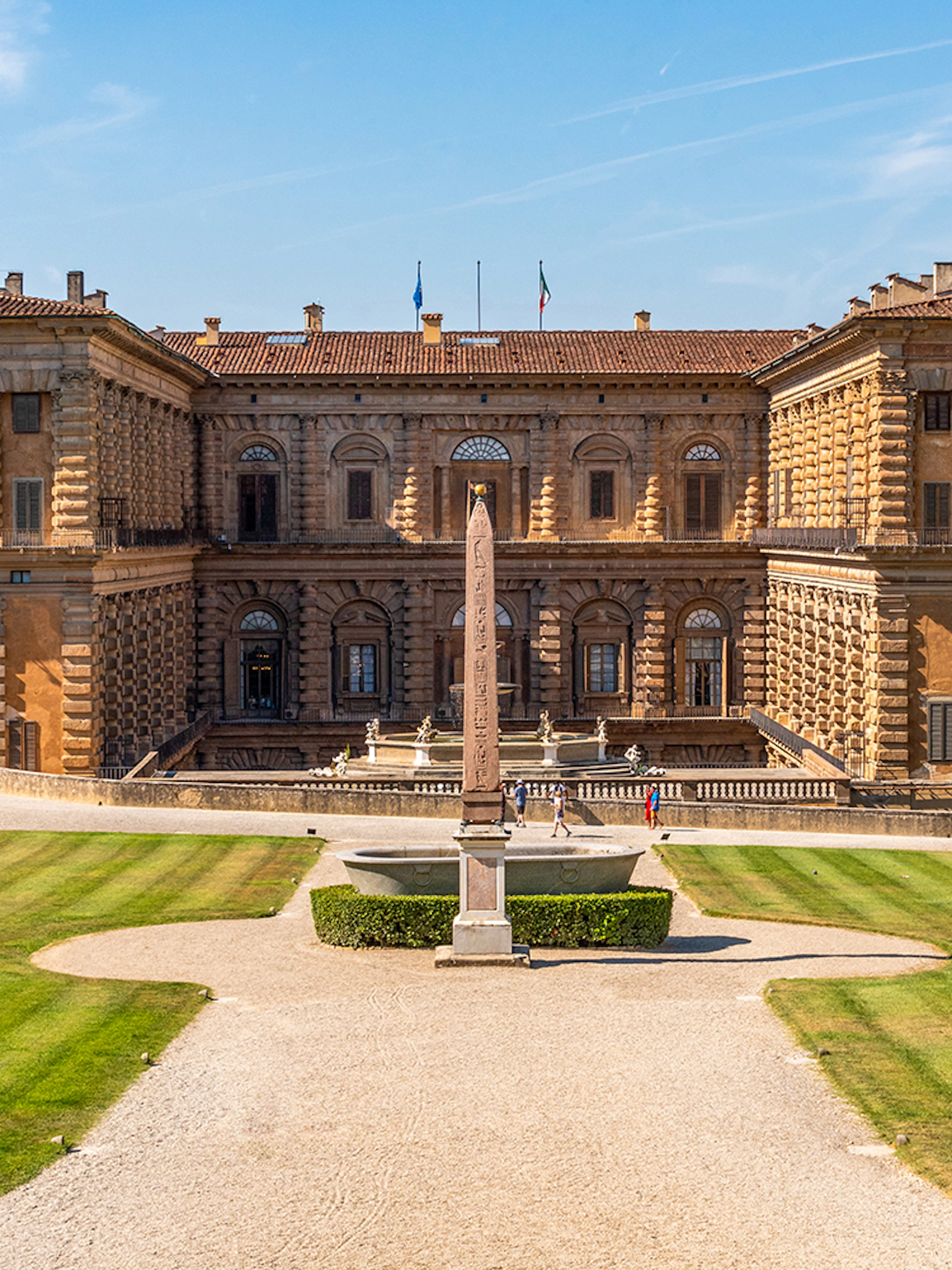
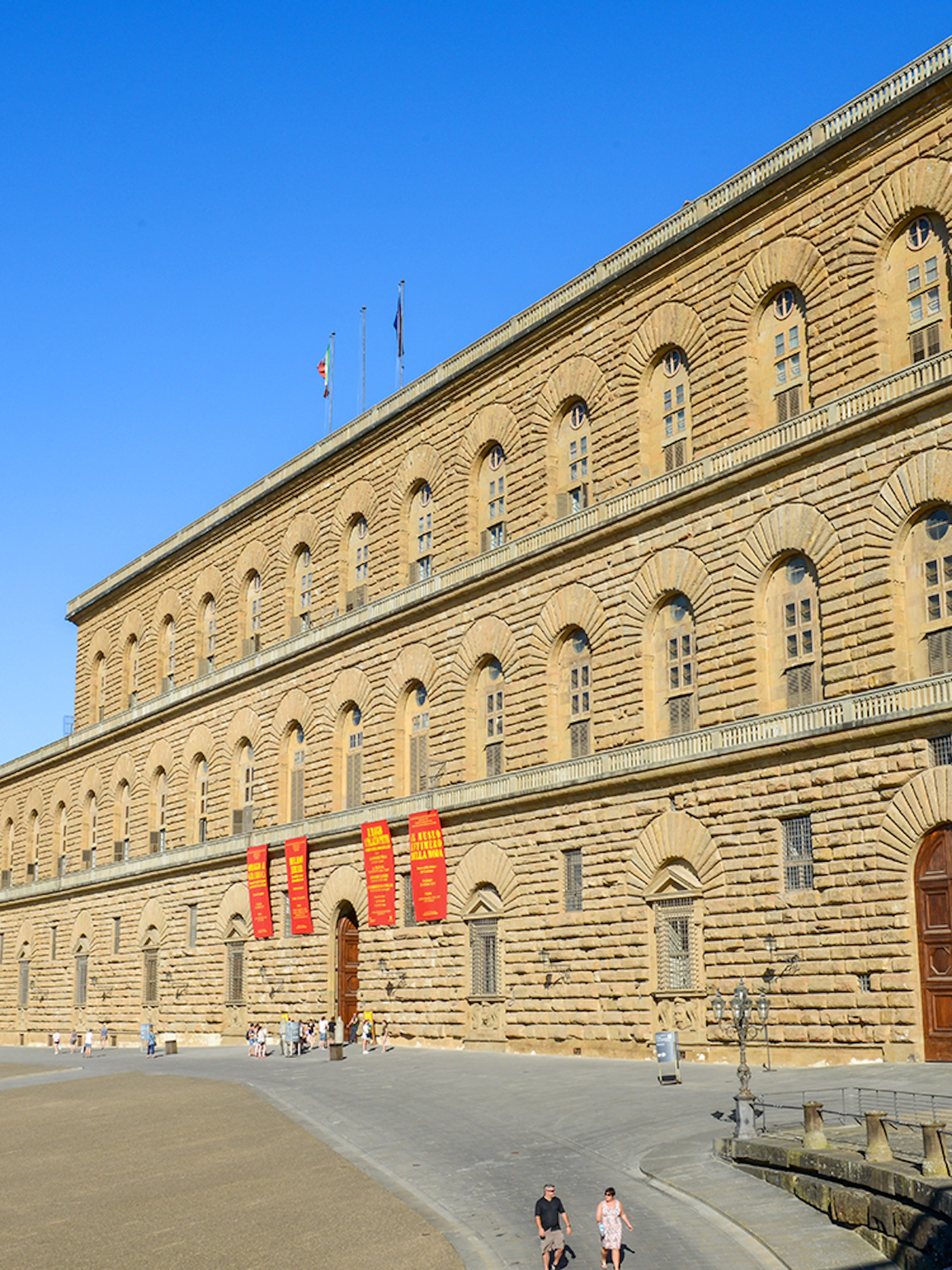
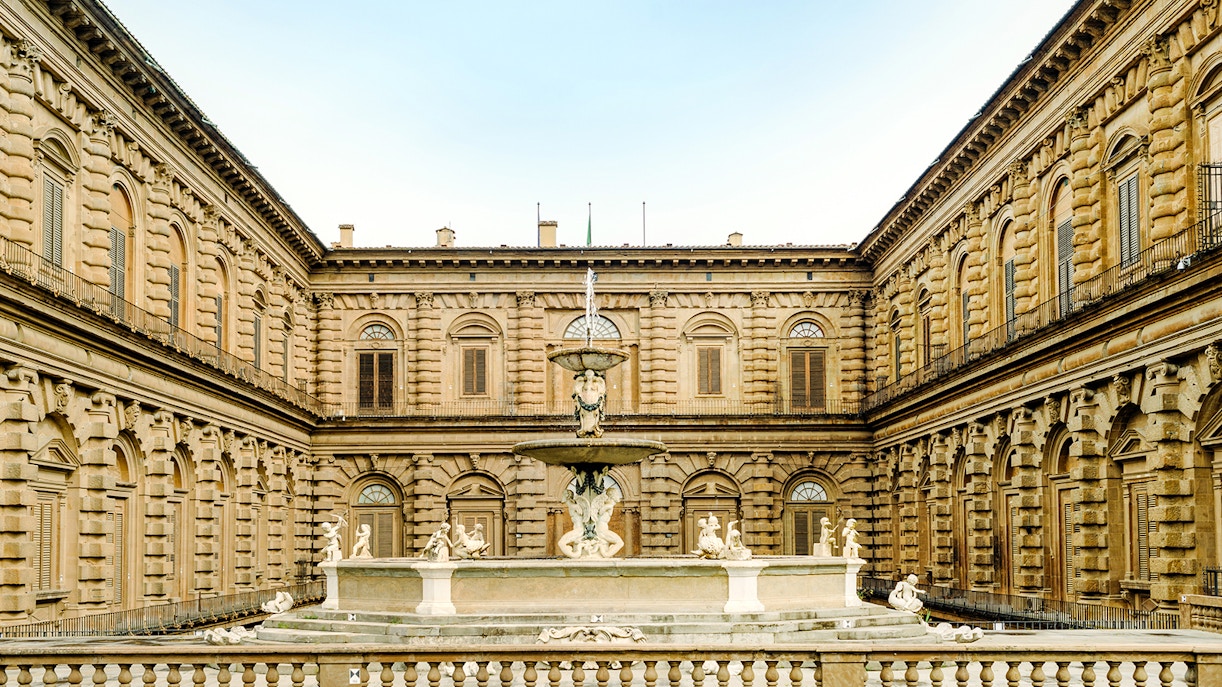
The architecture of Pitti Palace is a masterpiece of the Renaissance style, characterized by its grand scale, symmetry, and classical elements. Initially, the design, possibly by Filippo Brunelleschi but debated among historians, aimed to outshine the Medici's residence, reflecting Luca Pitti's ambition. The palace’s facade with its rusticated stone, arched windows and repetitive geometric patterns, gives it a fortress-like appearance.
After being acquired by the Medici family in 1549, the palace expanded under architect Bartolomeo Ammannati, who added the grand courtyard and created the Boboli Gardens. Rennovations in the late 16th and 17th centuries, introduced the Baroque interiors, in the form of rich frescoes, stucco, and elaborate ceiling paintings to the palace’s rooms. The Palatine Gallery, located on the first floor, is a prime example of this Baroque interior.
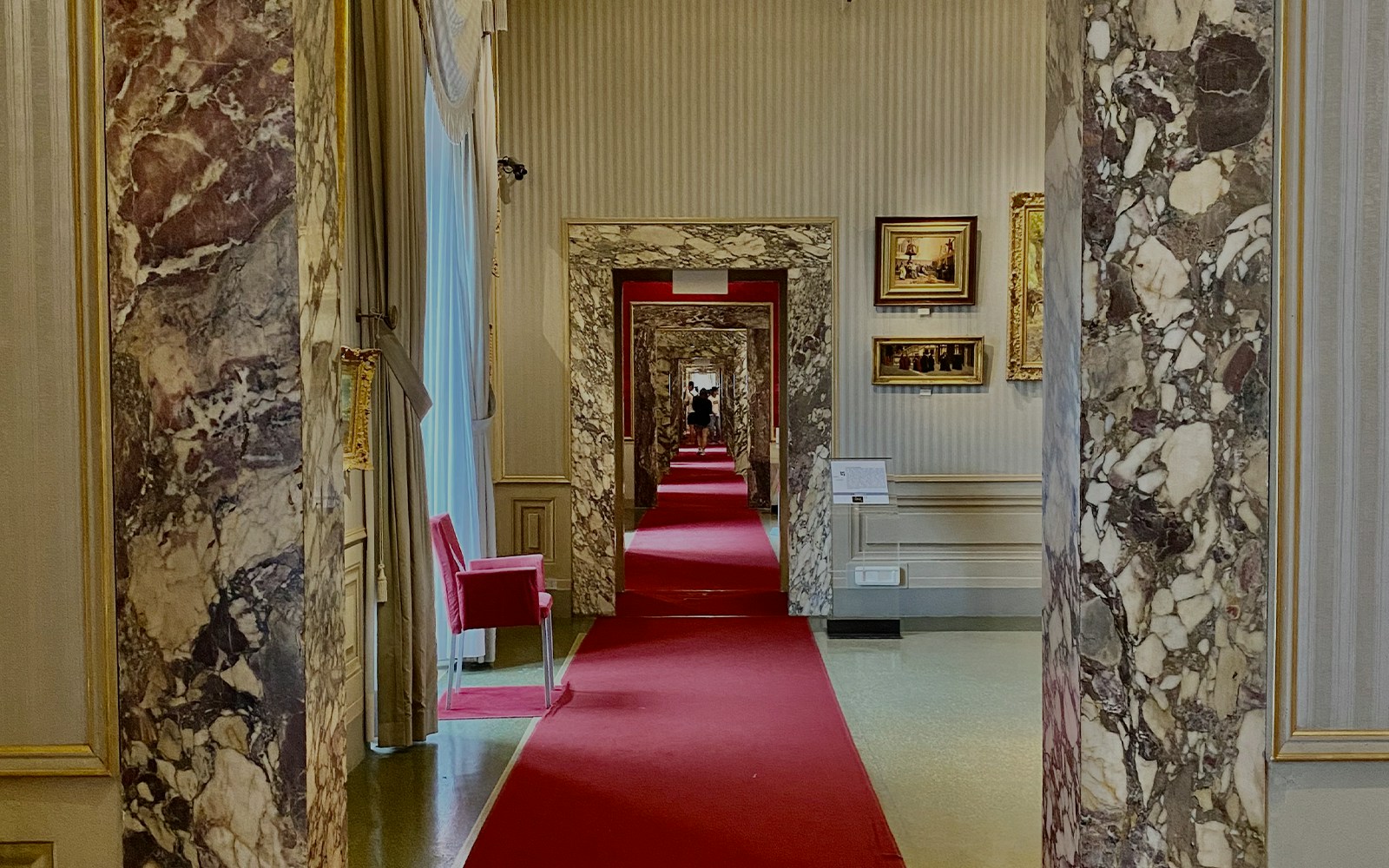
Today, the Pitti Palace, as a museum complex, showcases an evolving history of architectural styles from its original Renaissance core to the later Baroque and Neoclassical additions.
Frequently asked questions about Boboli Gardens and Pitti Palace tickets
Yes, most of our Boboli Gardens tickets do include access to Pitti Palace. While there's an option for you to separate tickets, but most people usually go for combo deals for a seamless visit at a better value.
Opting for a combo ticket for Boboli Gardens and Pitti Palace is a smart move for a few reasons. First off, it's super convenient – you get to visit both incredible spots with just one ticket. Plus, you'll save some cash compared to buying separate tickets. But most importantly, it's a fantastic way to dive into the intertwined history and charm of these iconic landmarks all in one go. So why not make the most of your visit and snag that combo ticket? You won't regret it!
Apart from including access to both the Boboli Gardens and Pitti Palace the tickets typically includes access to other associated museums or galleries like the Porcelain Museum, Palatine Gallery and Bardini Gardens. It may also grant you access to special exhibitions or temporary installations, depending on availability.
Yes, combo tickets for Boboli Gardens and Pitti Palace are usually cheaper compared to buying separate tickets for each attraction. There's typically an easy €4-5 price difference between the two options. This makes them a great value option for visitors looking to explore both places while saving some money.
Yes, discounts are available for certain groups. For example, entry is free for visitors with disability and children under 18 years. Also, residents of Florence are eligible for free or discounted admission.
Yes, guided tours are offered for both Boboli Gardens and Pitti Palace. These tours provide insightful commentary and allow visitors to explore the attractions in more detail.
Yes, it is possible to cover both attractions on the same day, especially with combined tickets. However, be sure to allocate enough time to fully explore each attraction. We recommend planning your visit for at least a half day to enjoy a complete experience at both places.
Yes, there is a cafeteria located in Pitti Palace on the right side of the court. It operates with varying closing times: from September to May, it closes at 7 pm, and from June to August, it closes at 8 pm.
When visiting Boboli Gardens and Pitti Palace, it's essential to bring comfortable walking shoes and weather-appropriate clothing, as both attractions feature extensive outdoor areas. Don't forget to bring sunscreen, a hat, and sunglasses, especially during sunny days. It's also a good idea to carry a water bottle to stay hydrated while exploring the gardens and palace. Lastly, bring a camera or smartphone to capture the beautiful surroundings and memorable moments during your visit.
Yes, visiting Boboli Gardens and Pitti Palace early in the morning or later in the afternoon is generally recommended to avoid crowds and enjoy a more peaceful experience.
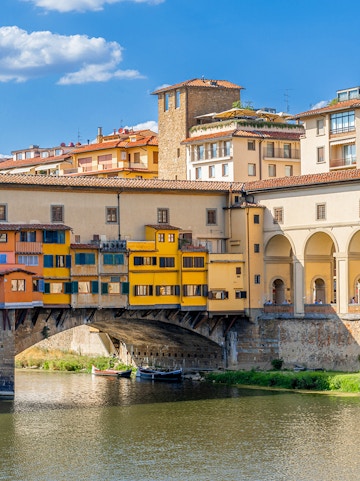
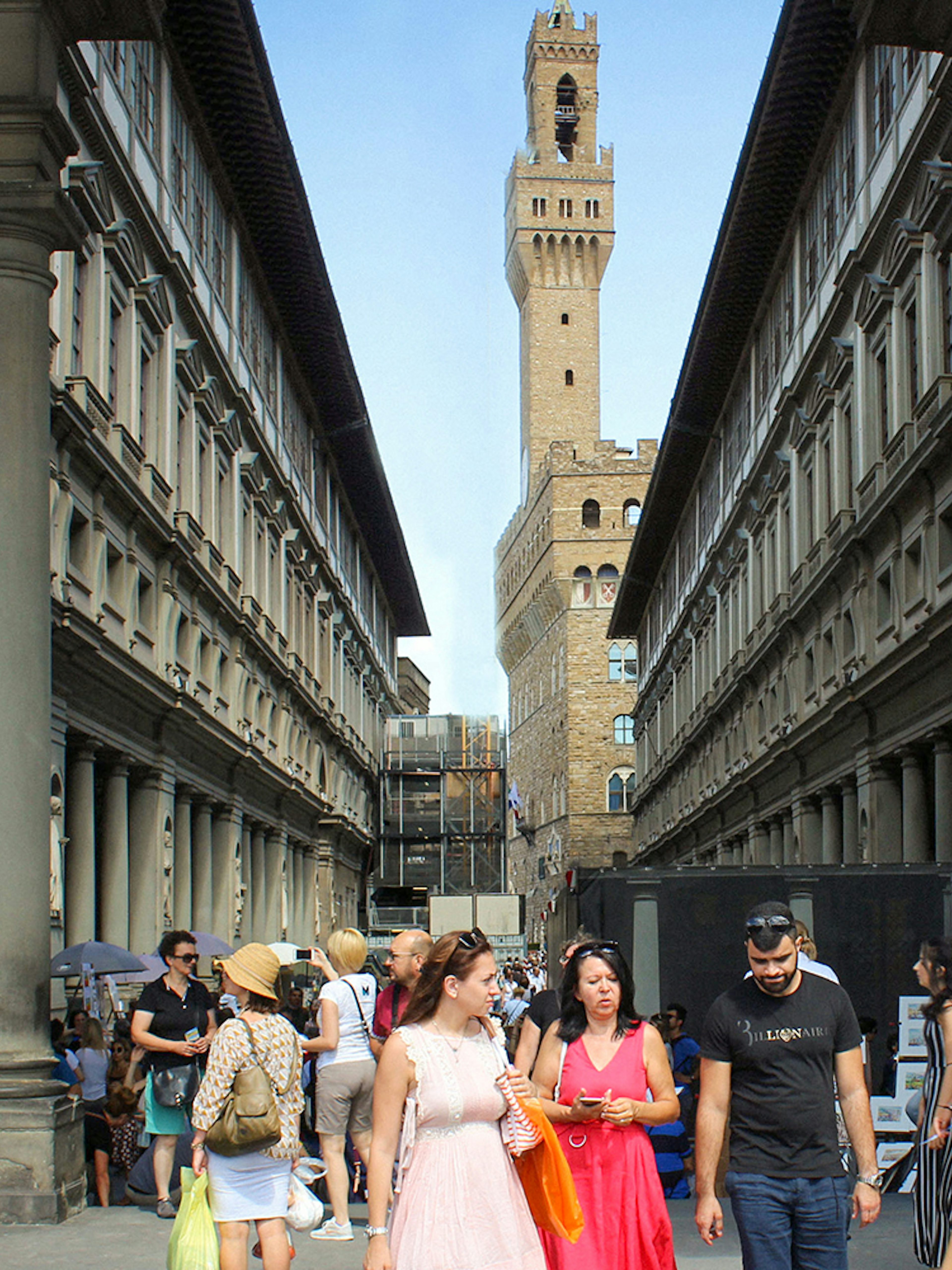
Absolutely! Besides strolling through the beautiful Boboli Gardens and exploring the grand Pitti Palace, there's a treasure trove of attractions just a stone's throw away. Picture yourself wandering across the iconic Ponte Vecchio, peeking into its quaint shops, or getting lost in the artistic wonders of the Uffizi Gallery. Dive into the lively atmosphere of Piazza della Signoria, where captivating sculptures await your admiration. And let's not forget the breathtaking Basilica di Santa Maria del Fiore (Duomo) and the bustling Mercato di San Lorenzo. With spots like the Galleria dell'Accademia, Palazzo Vecchio, and Basilica di Santo Spirito nearby, your adventure in Florence is bound to be unforgettable!