Famous Boboli Gardens fountains | Highlights, history, style & more

Fountains are the stars of the show at Boboli Gardens. From playful sprays to majestic sculptures, these aquatic wonders are more than just decorations – they're living works of art. Marvel at the grandeur of the Neptune Fountain, symbolizing power and maritime prowess, and enjoy the charming Cupid Fountain, echoing tales of love and mythology.

As you walk through the gardens, each fountain reveals a story from Renaissance Florence to today. Learn about the creation, significance, and beauty of these aquatic marvels, and get insider tips for the ultimate Boboli experience.

Major fountains of Boboli Gardens

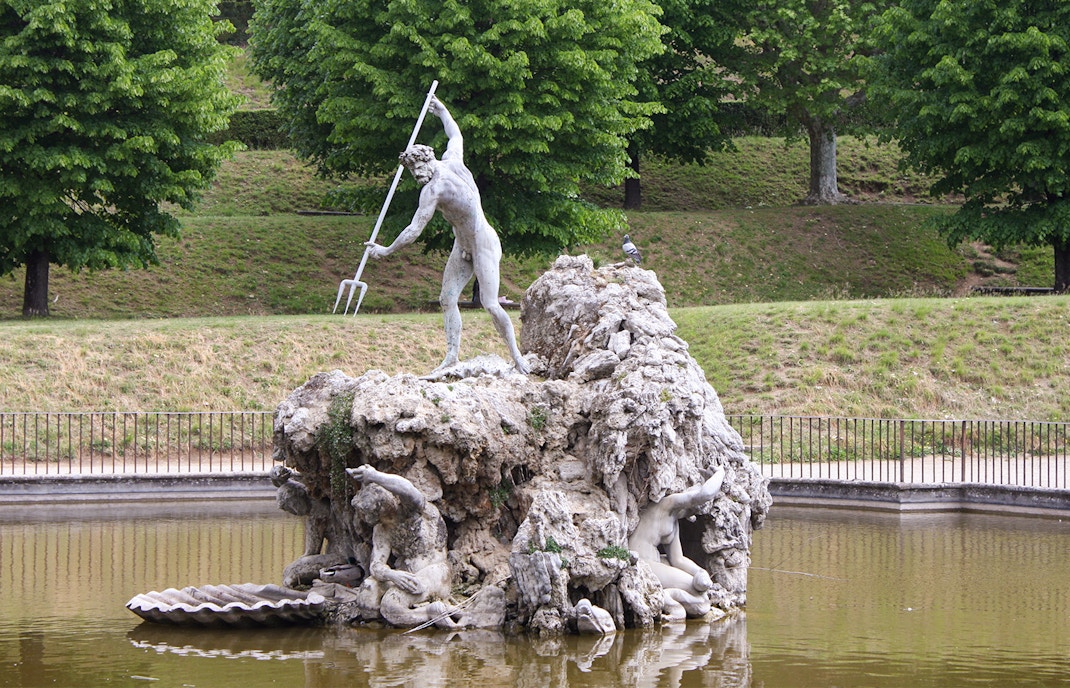
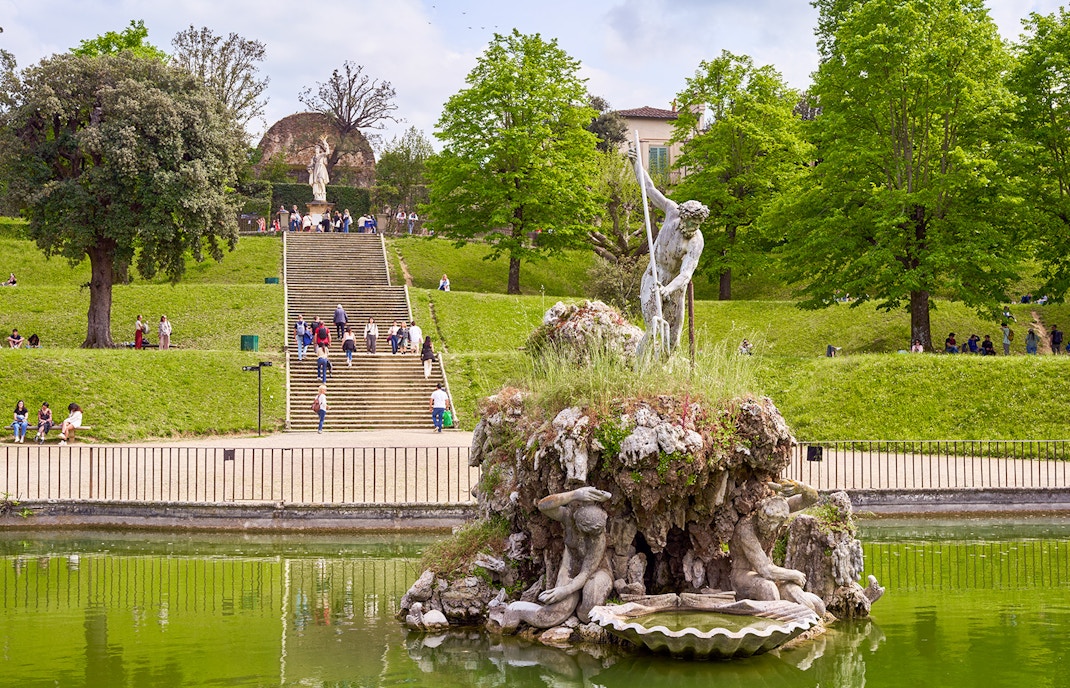
Fountain of Neptune
A colossal masterpiece, the Neptune Fountain reigns supreme in the center of the gardens. Crafted in the 16th century, this awe-inspiring marvel pays homage to the sea's power and allure. Find it near the Palazzo Pitti, another emblem of Florence grandeur.

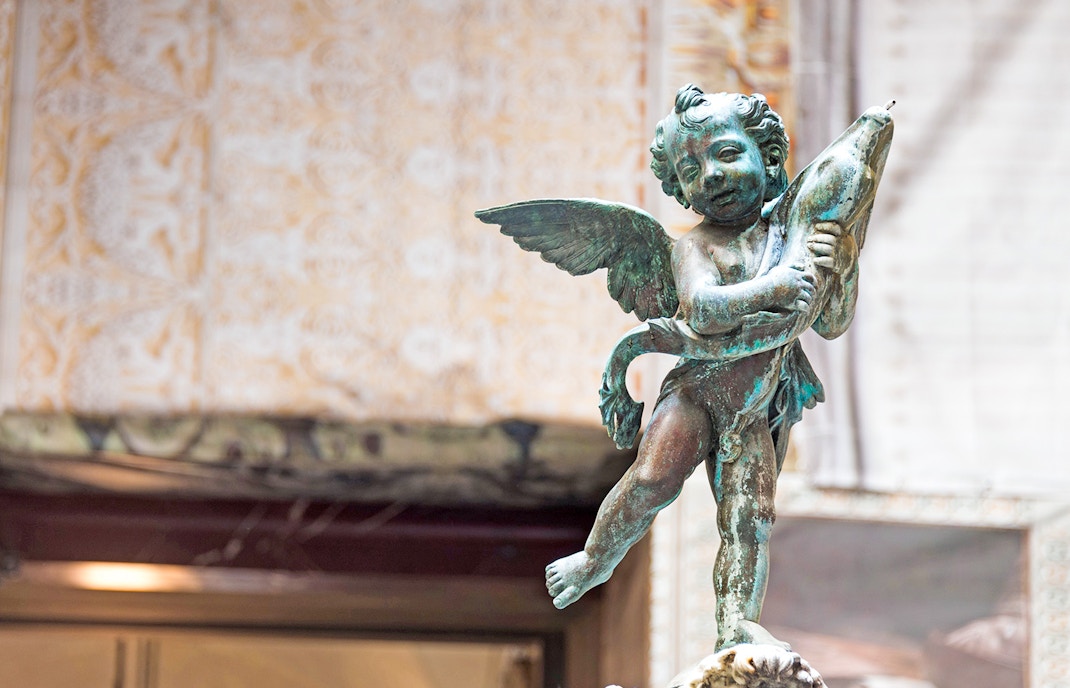
Cupid and the Dolphin

A romantic rendezvous frozen in time, the Cupid Fountain exudes elegance. Crafted in the Renaissance era, it captures love's essence. Seek it out in the Island Amphitheater, where lush greenery frames its tender beauty.
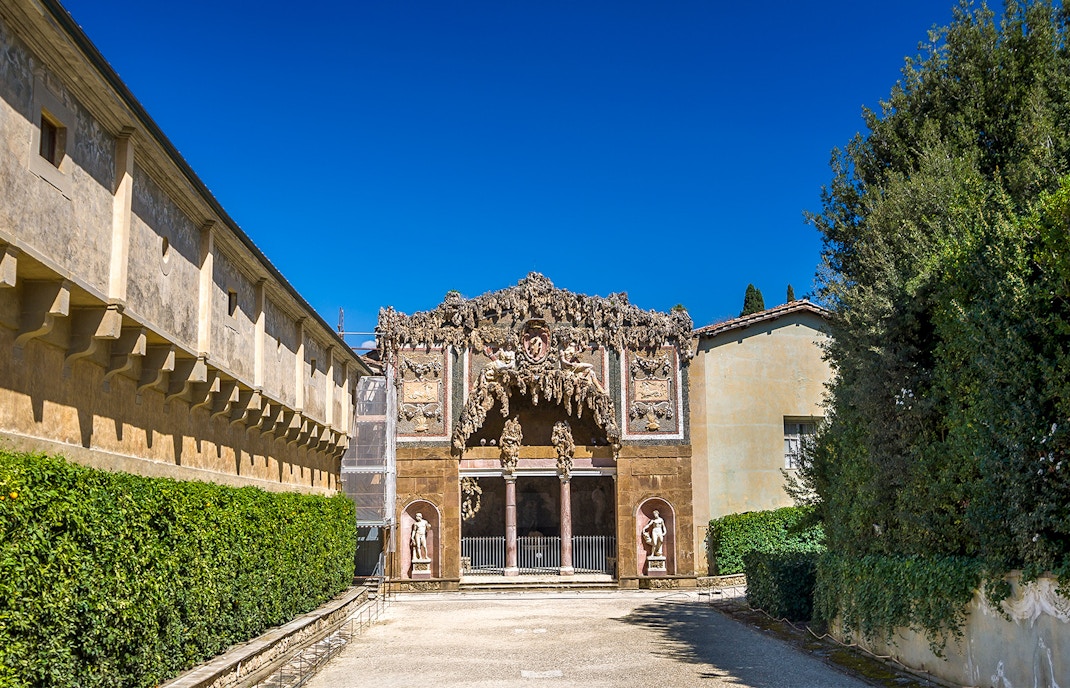
Grotta del Buontalenti

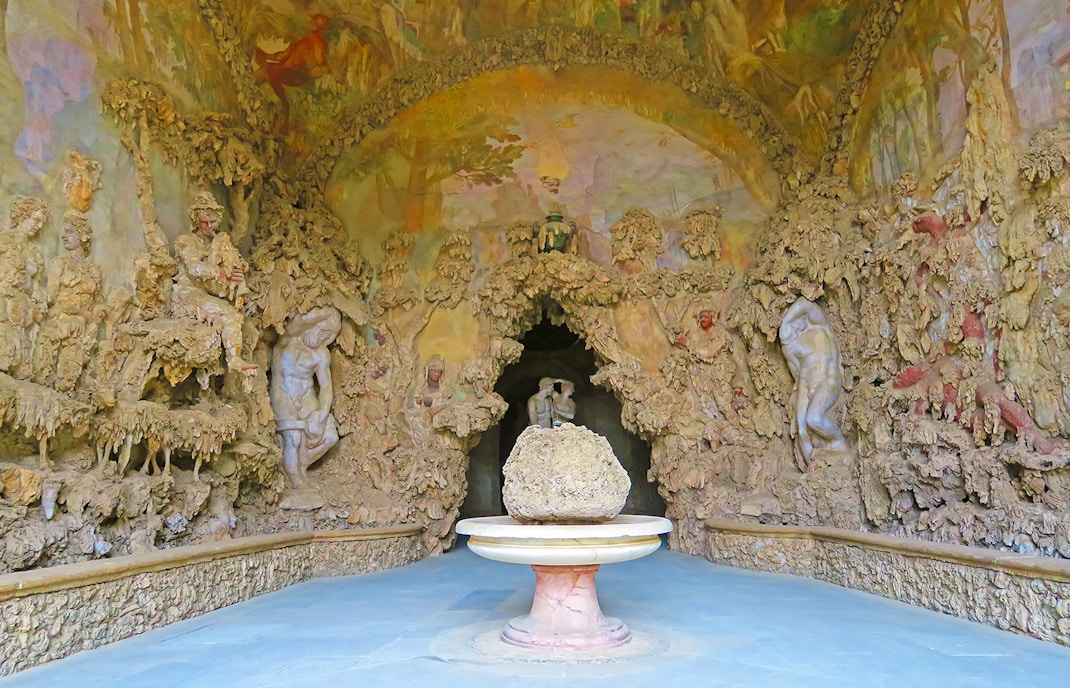
One of the most treasured fountains of Boboli Gardens, the Grotta is a playground of mythical creatures and marvelous sculptures, transporting you to a world of fantasy. Commissioned by the Medici family during the 16th century, adorned with frescoes and sculptures reminiscent of stalactites.
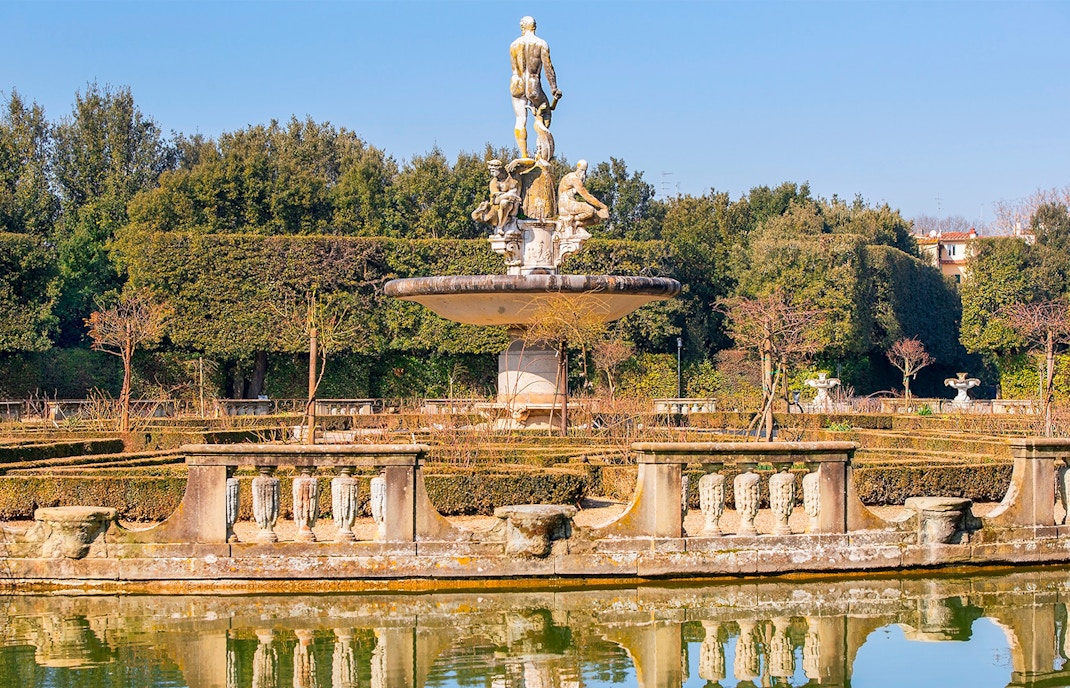
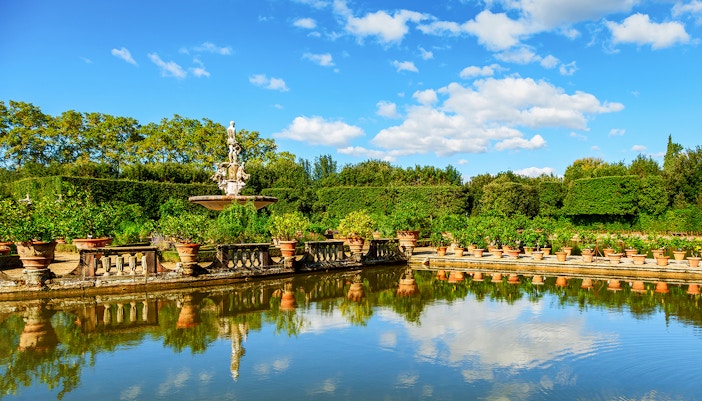
The Ocean Fountain

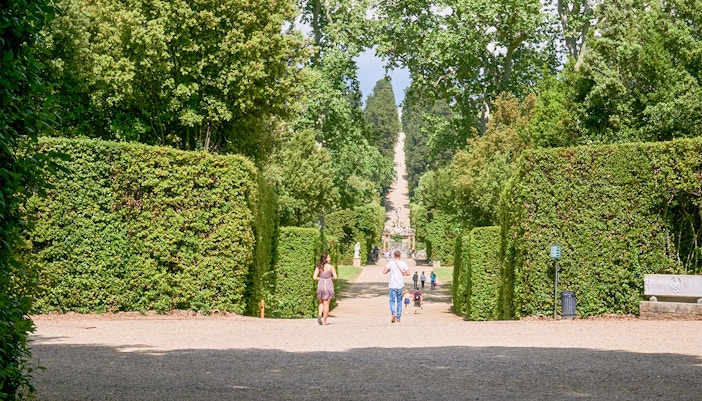
Set sail on a mythic voyage with the Ocean Fountain. Sculpted in the 16th century, it depicts Neptune's realm. Discover this aquatic marvel at the far end of the Viottolone, offering a tranquil retreat by the water's edge.
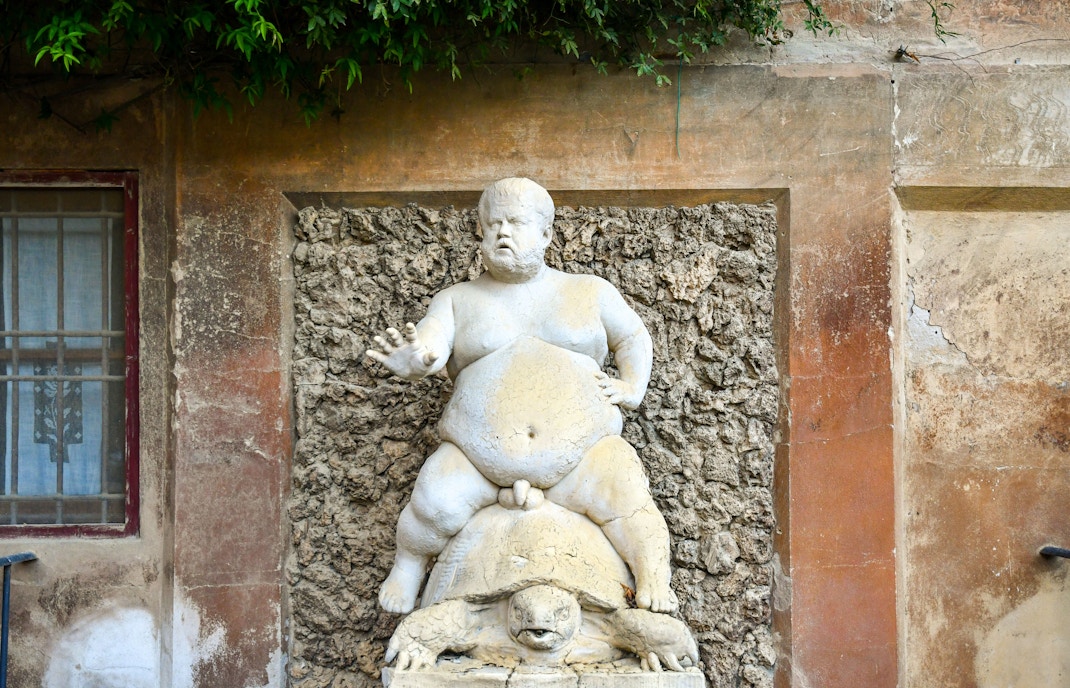
Bacchus Fountain

Toast to merriment at the Bacchus Fountain, where a jester-turned-deity raises his goblet. This playful water feature is a whimsical nod to the god of wine. Find it at the Piazza dei Pitti entrance, a jovial introduction to the garden's charm.
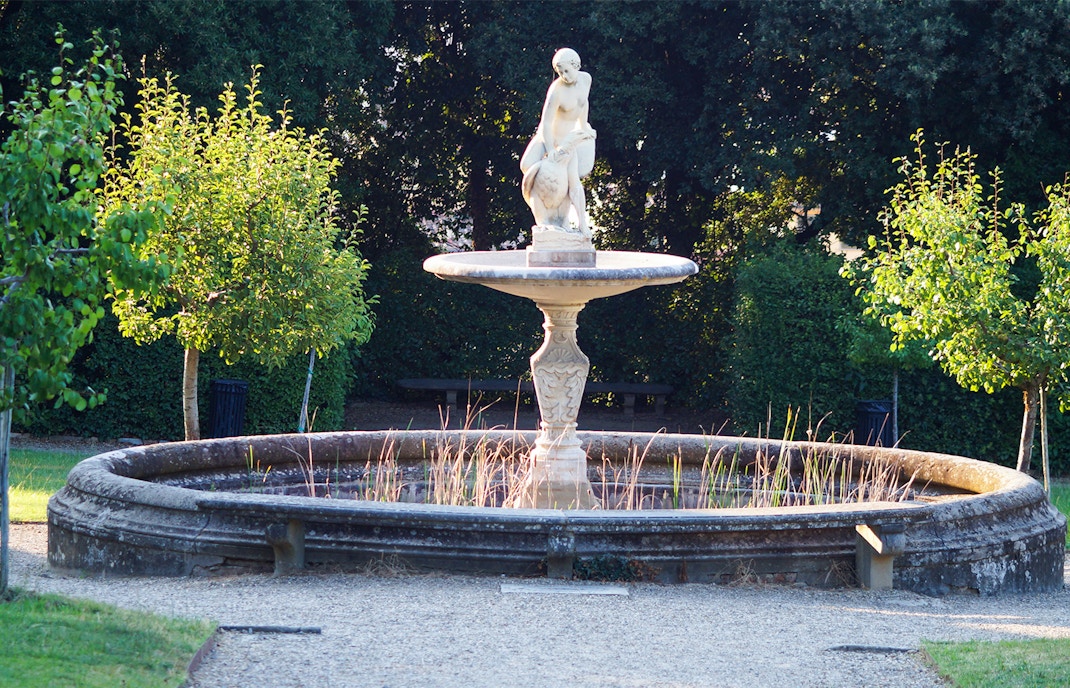
Kaffeehaus and Ganymede Fountain

Ascend to the terrace garden leading to the Kaffeehaus, a Rococo pavilion straight out of a fairy tale. At its heart, the Ganymede Fountain tells the story of a Greek hero and an eagle. Embrace the serenity as art and nature's beauty surround you.
Artichoke Fountain

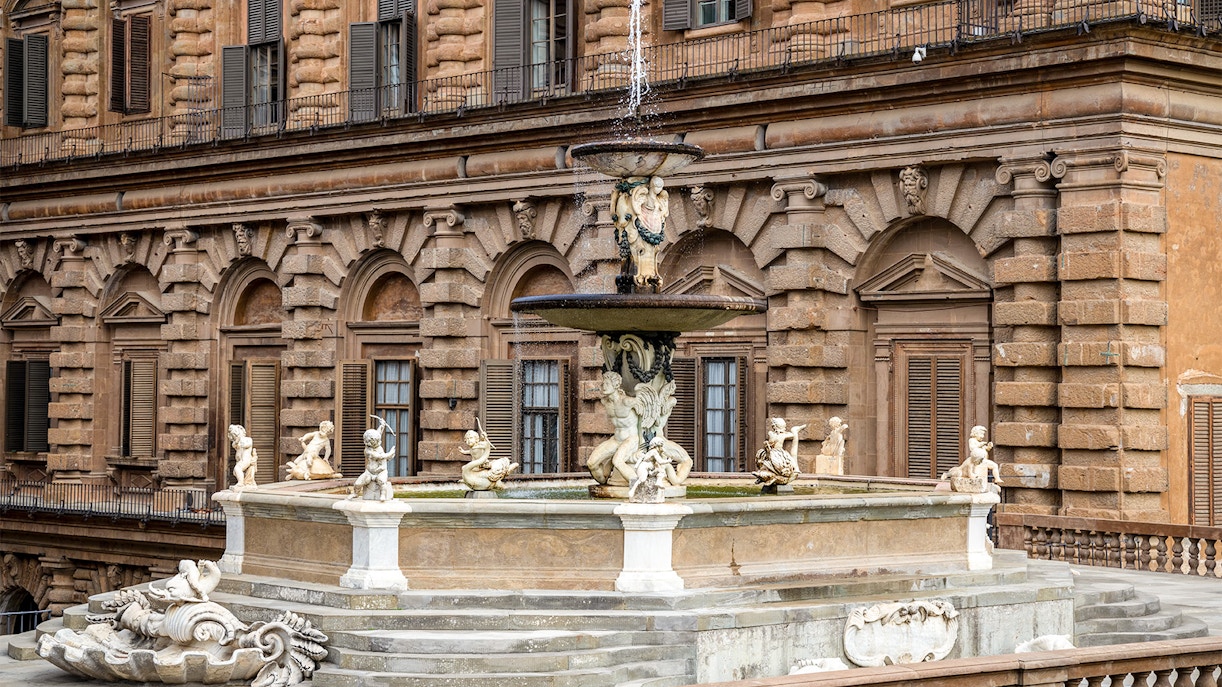
Crafted by Florentine sculptor Giovan Francesco Susini (1585 c. – 1653) and collaborators, the Artichoke Fountain emerged between 1639 and 1642. It's a masterpiece born from the vision of Grand Duke Ferdinando II, adorning a Palace terrace. An ode to late Mannerism and a local nod to Baroque.

Historical evolution of the fountains

The fountains of Boboli Gardens have evolved significantly since their inception, reflecting the changing tastes and artistic trends over centuries.

16th Century: Medici patronage

The creation of the Boboli Gardens began in the mid-16th century under the patronage of the Medici family. The initial fountains, like the iconic Neptune Fountain, were designed to demonstrate the power and sophistication of the Medici rule. These early installations emphasized grandiose displays of water, combining both artistic and technical innovation.

17th Century: Expansion and ornamentation

The gardens and their fountains were expanded and embellished under the Habsburg-Lorraine dynasty. New fountains, such as the Fountain of the Oceanus, were added, depicting more intricate designs and elaborate mythological themes. This period saw a shift towards more decorative and ornate features, reflecting the baroque style of the era.

18th-19th Century: Continued enhancements

During the 18th and 19th centuries, the gardens continued to evolve with the addition of smaller, more intimate fountains, like the charming Cupid Fountain. These additions often aimed to create secluded, picturesque spots within the gardens, enhancing the overall aesthetic and visitor experience.

Modern era: Preservation and restoration

In the modern era, efforts have been focused on preserving and restoring the historic fountains of Boboli Gardens. These efforts ensure that the fountains continue to enchant visitors with their historical significance and artistic beauty, while also maintaining their functional integrity.

Learn more about the garden's history

Architecture & style of the fountains at Boboli Gardens

The fountains at Boboli Gardens are masterpieces of Renaissance and Baroque design, reflecting the artistic and architectural styles of their time. Several renowned artists and architects contributed to their creation, each adding unique elements that enhance the gardens' splendor.

Key designers

  • Bartolomeo Ammannati A prominent late Renaissance architect and sculptor, Ammannati designed the Neptune Fountain, blending classical themes with innovative techniques to create grand and dramatic compositions.
  • Bernardo Buontalenti A versatile artist in sculpture, architecture, and landscape design, Buontalenti created the Grotta del Buontalenti, emphasizing elaborate, fantastical elements that merge natural and artificial forms.
  • Giovanni Bologna (Giambologna) A renowned Flemish sculptor, Giambologna contributed to the Oceanus Fountain, known for his dynamic movement and intricate details, reflecting late Renaissance and early Baroque styles.

Design style

  • Renaissance classicism: Early fountains like the Neptune Fountain showcase Renaissance classicism with symmetrical layouts, classical motifs, and a focus on harmony and proportion. Mythological figures and allegorical themes highlight the Renaissance fascination.
  • Baroque extravagance Later additions, such as the Fountain of the Oceanus, feature elaborate Baroque elements. These include dramatic compositions, intricate details, and dynamic sculptures, creating a sense of movement and grandeur with complex allegories to awe viewers.
  • Fantastical grottos The Grotta del Buontalenti exemplifies a whimsical style blending natural and artificial elements. Featuring stalactites, stalagmites, and mythological figures, Buontalenti's design combines water features with sculpture.

Role of water in Boboli Gardens

The Boboli Gardens, lacking a natural water source, ingeniously tapped into the nearby Arno River via an artificial conduit. This innovation facilitated not only an elaborate irrigation system but also the creation of impressive water features throughout the gardens. These included the dramatic central figure of Neptune in the Fountain of Neptune, the water plays and lush vegetation found in the three interconnected chambers of the Grotto Grande, and the depiction of the Greek hero carried by an eagle in the Fountain of Ganymede, among others.

These elements were integral to the garden's design and ambiance across the Renaissance, Mannerist, and Baroque periods.

Tips to exploring the Boboli Gardens fountains

  • Begin your fountain adventure at the iconic Neptune Fountain, then follow the trail to experience the romantic Cupid Fountain and the enchanting Grotta del Buontalenti. The trail is designed to showcase a diverse range of fountain styles and themes.
  • Visit the fountains during the morning or late afternoon to avoid crowds and enjoy a more tranquil atmosphere. If possible, visit the fountains during evening hours when they are beautifully illuminated. The play of light and shadow adds a magical touch to the fountain's ambiance.
  • Consider joining a guided tour. Expert guides can provide in-depth information about each fountain's history, design, and artistic significance, enhancing your overall experience.
  • Some fountains allow for interactive experiences, such as the Neptune Fountain where visitors can get close to the water features. Take advantage of these opportunities to engage with the fountains on a more personal level.
  • Grab a map or use a digital guide to navigate the garden's layout and locate specific fountains of interest. This ensures you don't miss any hidden gems tucked away in the garden's vast expanse.
  • Seek out fountains located near water bodies or scenic viewpoints for picturesque backdrops. The combination of flowing water and natural surroundings adds to the fountain's allure.
  • While the fountains are inviting, remember to respect the surroundings by not climbing or interfering with the water flow. Enjoy the beauty from designated viewing areas.
  • Be aware that some fountains may operate seasonally or have specific maintenance schedules. Check ahead to ensure your favorite fountains are accessible during your visit.
  • Take moments to sit near a fountain, listen to the soothing sounds of water, and reflect on the artistic and historical significance of these captivating features within the Boboli Gardens.

Plan your visit Boboli Gardens

Frequently asked questions about Boboli Gardens fountains

The Boboli Gardens are home to several renowned fountains, each adding to the splendor of this historic landscape. Among the most famous is the Fountain of Neptune, often referred to as the "Fountain of the Fork" due to the statue of Neptune holding a trident at its center. Another notable fountain is the Fountain of the Ocean, featuring a central figure of Oceanus surrounded by allegorical river gods and water nymphs. The Isolotto, a small island within the garden, boasts the Fountain of Perseus, depicting the mythological hero with Medusa's head. Additionally, the Fountain of the Ganymede and the Fountain of the Seasons are celebrated for their intricate designs and mythological themes, making the Boboli Gardens a treasure trove of artistic and horticultural marvels.

More reads

Opening Hours

Book Now

Getting There

Book Now